
NTSB: Fatal NJ Transit Crash Caused by Low Light, Four Prior Incidents
NJ Transit accident: NTSB cites low-light conditions and a fallen tree as the cause of a fatal crash, revealing a pattern of safety concerns on the River Line.
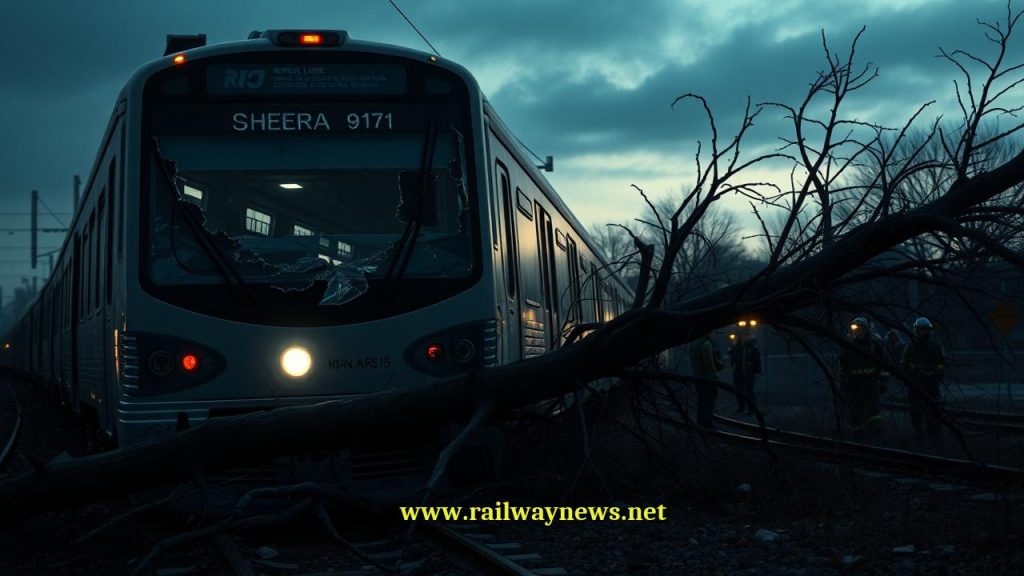
FLORENCE, NJ – A fatal New Jersey Transit light-rail accident was caused by predawn low-light conditions that obscured a fallen tree on the tracks, according to a new report from the National Transportation Safety Board (NTSB). The investigation into the October 14, 2024, incident, which resulted in the death of the train’s operator, critically highlights a recurring issue, citing four similar prior collisions involving downed trees on the same line.
| Category | Details |
|---|---|
| Incident Type | Light-Rail Vehicle (LRV) Collision with Track Obstruction |
| Operator | New Jersey Transit (NJ Transit) |
| Line | River Line |
| Date of Incident | October 14, 2024 |
| NTSB-Cited Cause | Predawn low-light conditions preventing operator visibility of a fallen tree. |
| Casualties | 1 Operator Fatality, 23 Passenger Injuries (minor) |
Main Body:
The National Transportation Safety Board (NTSB) has released its findings on the tragic accident involving an NJ Transit River Line train near Florence, New Jersey. The report definitively concludes that poor visibility during early morning hours was the primary factor. The collision occurred when the northbound train struck a large tree that had fallen across the right-of-way. During the impact, a tree branch breached the operator’s cab through the forward windshield, inflicting fatal injuries. In addition to the operator’s death, twenty-three passengers sustained minor injuries and were subsequently transported to a local hospital for evaluation.
While the NTSB report clearly identifies the causal chain of events, it does not yet provide a deep dive into the technical specifications of the equipment or the operational environment. Key data points, such as the train’s speed at the time of impact, the luminosity standards for the LRV’s headlights, or the specific braking distance required, are expected in a more detailed final report. For context, major NTSB investigations, such as the one following the Baltimore Key Bridge collapse, often culminate in extensive reports analyzing every technical and procedural element, a level of detail the industry will be watching for as this investigation concludes.
A particularly concerning finding within the report is the historical context of such incidents on the River Line. The NTSB uncovered four previous cases where trains had struck downed trees, establishing a pattern of risk related to vegetation management and track clearance. This history elevates the incident from a singular tragedy to a systemic safety issue, placing scrutiny on NJ Transit’s right-of-way inspection and maintenance protocols, especially in areas prone to treefall and during periods of adverse weather or limited visibility.
Key Takeaways
- Visibility as a Critical Failure Point: The accident underscores that even with modern rail systems, fundamental factors like ambient light can create life-threatening conditions if not properly mitigated.
- Systemic Risk Identified: With four prior similar incidents, the NTSB’s findings point towards a recurring safety vulnerability concerning vegetation management and track obstruction along the River Line.
- Focus on Proactive Safety Measures: The report will likely trigger a review of NJ Transit’s protocols for track inspection, operator training for low-visibility conditions, and the potential need for trackside obstruction detection technology.
Editor’s Analysis
This tragic incident in New Jersey serves as a powerful, albeit somber, reminder for railway operators globally about the non-negotiable importance of managing the physical environment surrounding the track. While the industry rightly focuses on advancing high-technology solutions like Positive Train Control (PTC) and automation, this event highlights a fundamental, low-tech vulnerability: the operational right-of-way. For light-rail systems that often weave through suburban and natural landscapes, proactive and aggressive vegetation management is not merely a maintenance task but a core safety function. This NTSB report should compel transit authorities worldwide to reassess their exposure to similar risks and reaffirm that investment in clearing and securing the track corridor is as critical as any onboard digital system.
Frequently Asked Questions
- What was the primary cause of the fatal NJ Transit accident?
- According to the NTSB, the primary cause was predawn low-light conditions that prevented the train operator from seeing a fallen tree on the track in time to stop the train.
- How many people were injured in the NJ Transit crash?
- The train operator was fatally injured. Twenty-three passengers were transported to a local hospital with minor injuries.
- Were there previous warnings or similar incidents on this rail line?
- Yes, the NTSB investigation identified four previous instances of trains striking downed trees on the River Line prior to this fatal accident, indicating a known risk factor.
RELATED POSTS

The railway ministry on Wednesday said the first Suvidha train,...

December 19, 2016 5:33 pm
Alstom and NTV reveal the front car of Pendolino Italo,...

November 16, 2020 1:50 pm
Gatwick Airport Station Redevelopment: A Modernization Project This article explores...
July 14, 2025 1:33 pm
Transdev subsidiaries win long-term German rail contracts, securing service for...

March 3, 2025 4:24 pm
Electrification of the Fairmount Line: A Case Study in Modern...
March 10, 2018 5:11 pm
Sheffield Supertram's massive track renewal, a VolkerRail success story, shows...