
Eurostar Celestia: Alstom’s Rail Innovation for UK & Europe’s Future
Eurostar unveils EUR 2 billion plan for *Eurostar Celestia* double-decker *trains*, boosting capacity and expanding its network from 2031. Sustainable design features are a priority.
Introduction
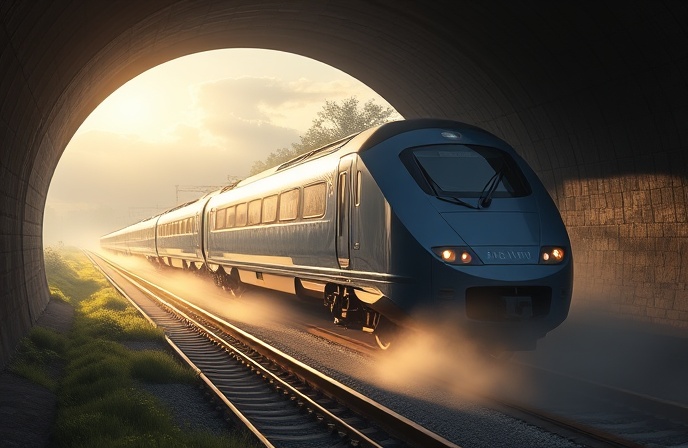
Eurostar has announced a EUR 2 billion investment in up to 50 new double-decker trains, named Eurostar Celestia, to be built by Alstom Group. The new fleet will be the first double-decker trains to operate through the Channel Tunnel and on the UK network.
Fleet Expansion and Order Details
Eurostar has placed a firm order for 30 trains, with an option for 20 more. The company aims to reach 30 million annual passengers with this expansion. The new fleet will comprise 67 trains once complete, representing a 30% increase from the current 51 units, including the existing 17 e320s.
Technical Specifications and Capacity
The Eurostar Celestia trains are based on Alstom’s Avelia Horizon platform and are 200 metres long. They will be interoperable across all five countries currently served by Eurostar, extending operations to new destinations like Geneva and Frankfurt. Each train will offer approximately 540 seats, a 20% increase in capacity compared to the existing fleet. When operating in double formation through the Channel Tunnel, services will carry approximately 1,080 passengers.
Timeline and Infrastructure Investment
The first six trains are scheduled to enter service in May 2031, following deliveries beginning in January 2031. Eurostar plans to invest EUR 80 million to expand and modernise its Temple Mills depot in London to accommodate the new fleet, creating around 350 additional skilled jobs. The depot currently employs more than 450 of Eurostar’s UK-based staff.
Sustainability and Design Features
The all-electric Eurostar Celestia fleet is designed with sustainability and accessibility in mind. The trains will be built using 97% recyclable materials, with 25% from recycled components, and are expected to deliver up to 50% energy savings compared to current models. The design process involved passenger and accessibility groups, along with 100 Eurostar employees, to ensure inclusive comfort and improved access for all travelers. The name Celestia, derived from the Latin caelestis, was chosen by Eurostar staff.
Last June 2025, we published an article about Renfe’s cutting-edge Aranjuez maintenance hub. Click here to read – Future of Rail: Renfe’s Railway Technology Hub, Aranjuez: Essential Guide
Conclusion
Eurostar’s investment in the Eurostar Celestia fleet, built by Alstom Group, aims to increase passenger capacity and expand its service network. The new trains are designed with a focus on sustainability and accessibility. The project includes infrastructure investment and is set to begin service in 2031.
Company Summary
Alstom Group: Is the company that will build the new trains for Eurostar.
Eurostar: The company has announced a EUR 2 billion investment in up to 50 new double-decker trains. Eurostar plans to expand and modernise its Temple Mills depot in London.
Technology
Avelia Horizon: The platform that the new trains will be based on.
RELATED POSTS
August 6, 2025 9:33 pm
Luton MP backs rail freight for sustainable construction, reducing road...
September 23, 2025 1:55 pm
Futurail secures €7.5M to accelerate driverless train rollout across Europe...

June 28, 2025 4:33 am
Barcelona Airport rail access project, 80% complete, nears completion. ...

August 8, 2025 1:33 pm
DB Cargo UK sponsors Doncaster Pride 2025, its first, ...

December 19, 2017 11:02 am
Optimize your railway infrastructure for a superior passenger experience. ...

July 2, 2025 6:33 pm
Caltrain raises fares 25 cents to combat budget shortfall. ...