
Tampere Tram Extension: Finland’s Urban Rail Future & Benefits
Tampere’s tram extension project, a key urban mobility initiative, expands Finland’s rail network and boosts sustainable transport.
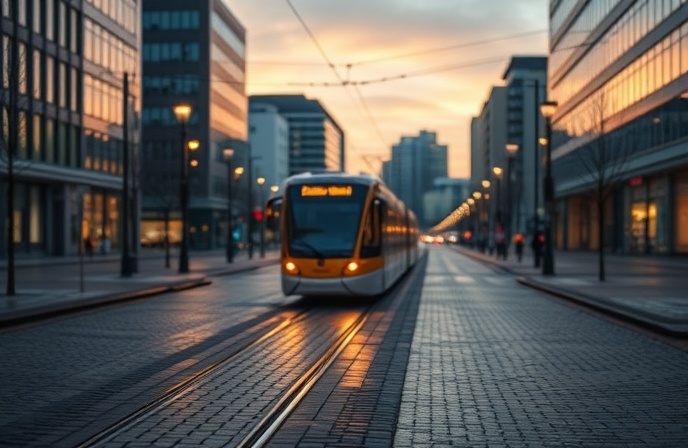
Tampere Tram Extension: A Catalyst for Urban Mobility in Finland
The city of Tampere, Finland, is witnessing a significant transformation in its public transportation network with the ongoing development of the Tampere tram extension. This ambitious project, spearheaded by the City of Tampere, aims to enhance connectivity, reduce congestion, and foster sustainable urban growth. Spanning several kilometers, the expansion involves constructing new track, acquiring additional tram vehicles, and upgrading associated infrastructure. The project began in 2021 and is expected to be completed in phases over the next few years, significantly impacting the daily commutes and quality of life for Tampere residents. This article will delve into the specifics of the Tampere tram extension, examining its engineering complexities, societal benefits, and its potential influence on other urban rail projects in the region.
Expanding the Network: Route Planning and Infrastructure Development
The planning and execution of the Tampere tram extension presents a complex engineering challenge. The project involves the construction of new track segments, including both at-grade and elevated sections, to efficiently serve the growing population. Careful route planning considers existing road networks, underground utilities, and the need to minimize disruption to traffic flow. Civil engineering teams are working diligently to ensure the structural integrity of the new infrastructure, including bridges and tunnel sections. The construction also involves the installation of overhead catenary systems (OCS) to power the trams. Furthermore, robust signaling and control systems are being integrated to ensure safe and efficient operations throughout the extended network. The integration of these new systems with existing infrastructure is key, requiring meticulous coordination and advanced engineering skills to ensure seamless functionality.
Rolling Stock and Technological Advancements: Powering the Future of Transit
A crucial element of the Tampere tram extension is the procurement of additional rolling stock. The project includes acquiring new trams capable of handling the increased passenger capacity and operating efficiently on the expanded network. These vehicles incorporate advanced technologies, such as regenerative braking systems to improve energy efficiency and reduce operational costs. Furthermore, the trams are designed with accessibility in mind, offering features like low floors for easy access for passengers with reduced mobility. Intelligent Transportation Systems (ITS) are being implemented, including real-time passenger information displays, automated train protection (ATP) systems, and advanced communication networks. This integration of technology ensures the safety and efficiency of the new tram line. These developments enhance the overall passenger experience, making public transport a more attractive and sustainable travel option.
Benefits Beyond Transportation: Driving Urban Development and Sustainability
The Tampere tram extension goes beyond merely expanding public transit; it serves as a catalyst for wider urban development. The improved accessibility and connectivity provided by the tram are expected to stimulate economic activity, attracting businesses and residents to areas served by the network. This, in turn, can lead to increased property values and create opportunities for new residential and commercial developments along the tram routes. Furthermore, the project promotes sustainability by offering an environmentally friendly alternative to private car use. By reducing reliance on fossil fuels, the tram contributes to lower greenhouse gas emissions and improved air quality within the city. The tram is designed to be fully integrated into the city’s transportation planning system; the enhanced system will also contribute to the revitalization of public space, making Tampere a more liveable and vibrant urban center.
Conclusion
The Tampere tram extension is more than just an infrastructure project; it is a strategic investment in the future of urban mobility for Finland. The project’s successful completion will serve as a blueprint for other cities considering similar investments in sustainable transport solutions. The integration of advanced technologies, such as ITS and efficient rolling stock, ensures that the new tram line is state-of-the-art. This project contributes to the economic vitality, environmental sustainability, and overall quality of life in Tampere. Looking ahead, the expansion demonstrates Finland’s commitment to smart, sustainable transport networks that are both user-friendly and environmentally responsible. Future developments will likely see further integration of renewable energy sources to power the tram system and possibly an expansion of the network based on the success of the current Tampere tram extension.
RELATED POSTS
July 15, 2025 2:33 pm
Adif invests €95.6M in Andalusia railway upgrades, modernizing signalling and...

February 22, 2018 6:39 am
Stadler's delivering more double-decker EMUs to Sweden, engineered for harsh...

June 6, 2025 4:00 pm
UK rail gets a boost! A Costain-led consortium, including GHD,...

October 14, 2015 4:45 pm
Siemens builds a new state-of-the art control center for centralized...

U.S. **freight railroad traffic** saw a slight dip, with a...

July 16, 2025 1:33 am
Port Muskogee expands, boosting rail access and industrial growth. ...