
Faster Rail: Rostock-Berlin-Dresden Line Expands

Expanding Rail Connectivity in Eastern Germany: The Rostock-Berlin-Dresden Line
This article examines Deutsche Bahn’s (DB) significant expansion of its intercity rail network in Eastern Germany, focusing on the new Rostock-Berlin-Dresden service. The introduction of this high-frequency, modern rail link represents a substantial investment in improving regional connectivity, boosting passenger numbers, and furthering DB’s strategic goals of shifting traffic from road to rail. This initiative demonstrates a commitment to sustainable transportation and economic development in the region, impacting not only travel times and convenience but also the overall environmental footprint of passenger transport. The analysis will explore the technical aspects of the new service, including the rolling stock utilized, the operational frequency, and the projected impact on travel times. Furthermore, we will examine the broader strategic context of this development within DB’s overall network modernization and expansion plans. The implications for regional economies and the environmental benefits will also be considered, highlighting the multifaceted positive effects of this significant infrastructural investment.
New Rolling Stock and Operational Strategy
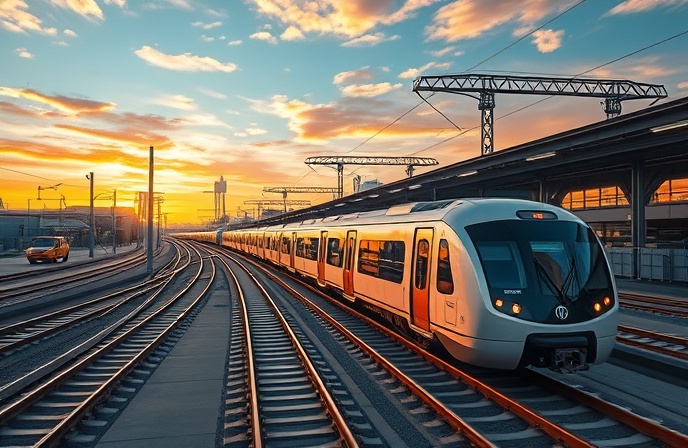
The core of the Rostock-Berlin-Dresden service relies on the acquisition of modern, high-capacity double-decker electric multiple units (EMUs). DB purchased seven Stadler KISS (KISS = Comfortable, Innovative, Safe and Sustainable) and ten KISS2 EMUs from Austrian Westbahn. These trains, capable of reaching speeds up to 200 km/h (124 mph), offer seating for up to 500 passengers per trainset, depending on the configuration of four or six cars. Crucially, these EMUs have been retrofitted to meet DB’s specific operational requirements, ensuring seamless integration into the existing network. The initial service will launch with ten trains running in each direction daily, increasing to a two-hourly frequency from 6 am to 10 pm starting in March of the following year. This significant increase in service frequency will drastically improve accessibility and convenience for passengers.
Improved Connectivity and Travel Times
The new service directly addresses the need for improved long-distance rail connectivity in Eastern Germany. The Rostock-Berlin-Dresden line significantly enhances travel options across six regions, including the initial connections to Elsterwerda, Oranienburg, Neustrelitz, and Waren (Müritz), with Warnemünde and Berlin Schönefeld Airport added later. The introduction of this service effectively doubles the existing service frequency on many connecting lines, significantly improving the overall efficiency of the network. Furthermore, DB forecasts a substantial reduction in travel times, with the Berlin-Rostock journey reduced to two hours and Dresden-Berlin Schönefeld Airport trip to 90 minutes.
Strategic Significance and Environmental Impact
The Rostock-Berlin-Dresden line is not merely an isolated project but a key element of DB’s broader strategic plan to modernize and expand its rail network. This initiative directly supports DB’s goal of shifting passenger traffic from road to rail, contributing to a substantial reduction in carbon emissions and improving overall mobility. The projected increase in long-distance passenger numbers – a doubling to 260 million annually – underlines the potential for significant environmental benefits. The investment in modern, fuel-efficient rolling stock further enhances the sustainability of the initiative, aligning perfectly with DB’s commitment to climate-friendly transportation.
Conclusion
The launch of the new Rostock-Berlin-Dresden intercity rail service marks a significant step forward in improving rail connectivity and sustainability in Eastern Germany. The introduction of modern, high-capacity EMUs, the substantial increase in service frequency, and the resultant decrease in travel times represent a comprehensive approach to enhancing passenger experience and promoting modal shift. The project highlights DB’s commitment to investing in its infrastructure and deploying state-of-the-art rolling stock to meet the growing demands of passenger travel. The anticipated doubling of long-distance passenger numbers to 260 million annually showcases the potential for significant positive impacts on regional economies and environmental sustainability. The success of this initiative could serve as a model for similar infrastructure projects aimed at promoting sustainable transportation, improving regional connectivity, and reducing the environmental impact of passenger travel. The strategic focus on reducing travel times, enhancing comfort with amenities like Wi-Fi and onboard catering, and providing ample luggage and bicycle storage, all contribute to a more attractive and convenient rail travel experience. This holistic approach to network development demonstrates a commitment to long-term sustainability and strengthens the position of rail as a preferred mode of transportation for passengers in the region. The positive ripple effects, from economic growth in connected regions to a noticeable reduction in carbon emissions, confirm the far-reaching benefits of this ambitious undertaking by DB.
RELATED POSTS
October 9, 2024 9:15 am
This article explores the significant infrastructure upgrade project undertaken by...
September 15, 2025 8:55 pm
Alstom wins €42.1M Delhi Metro maintenance contract, covering Bombardier trains...
May 27, 2025 6:27 pm
MxV Rail Expands Laboratory Capabilities for Rail Component Testing Pueblo,...
August 26, 2022 7:43 pm
The global railway industry is undergoing a significant transformation, driven...
September 28, 2018 9:46 am
Revolutionize rail infrastructure management with DMA and Siemens' Railigent Track...
July 2, 2019 1:45 am
Revolutionizing Railway Operations: AI-Driven Decision Support for Enhanced Efficiency and...