
Adelaide-Gawler Rail Electrification: A $665M Success Story

Electrification of the Adelaide-Gawler Rail Line: A Case Study in Australian Rail Modernization
This article examines the electrification project undertaken on the Adelaide-Gawler rail line in South Australia, a significant undertaking representing a broader trend in Australian rail infrastructure modernization. The project, a collaborative effort between the federal and state governments, involved not only the electrification of the line itself but also the procurement of new electric multiple unit (EMU) trains and associated infrastructure upgrades. This initiative addresses crucial issues facing commuter rail systems, including increased capacity, improved reliability, enhanced passenger experience, and sustainable transportation solutions. The project’s scope, funding, and projected impacts on the South Australian economy and its commuter population will be analyzed in detail, offering insights into the complexities and benefits of large-scale rail infrastructure projects. The discussion will also touch upon the wider context of similar modernization efforts within Australia and globally.
Project Scope and Objectives
The Adelaide-Gawler line, the city’s busiest commuter route, servicing approximately 21,000 daily passengers, was selected for electrification to alleviate capacity constraints and improve overall service quality. The project’s primary objectives included a 15% increase in peak-hour capacity, achieved through the introduction of higher-capacity electric trains and improved signaling systems. Further goals encompassed enhancing reliability and safety through the transition to a modern, electrified system, and providing a more comfortable and efficient passenger experience. The project also aimed to stimulate economic growth through job creation during construction, estimated at approximately 250 full-time equivalent positions annually.
Funding and Partnerships
The project received substantial co-funding from both the federal and state governments. The federal government contributed A$220 million, while the South Australian government allocated a matching A$220 million specifically for electrification works. An additional A$175 million was secured by the South Australian government to purchase 12 new three-car A-City EMUs (Electric Multiple Units) from Bombardier Transportation. This substantial investment reflects a commitment to modernizing the state’s public transport infrastructure and underscores the importance of intergovernmental collaboration in undertaking large-scale infrastructure projects. The total investment forms part of a broader A$11.9 billion plan for infrastructure development over four years.
Rolling Stock and Technological Advancements
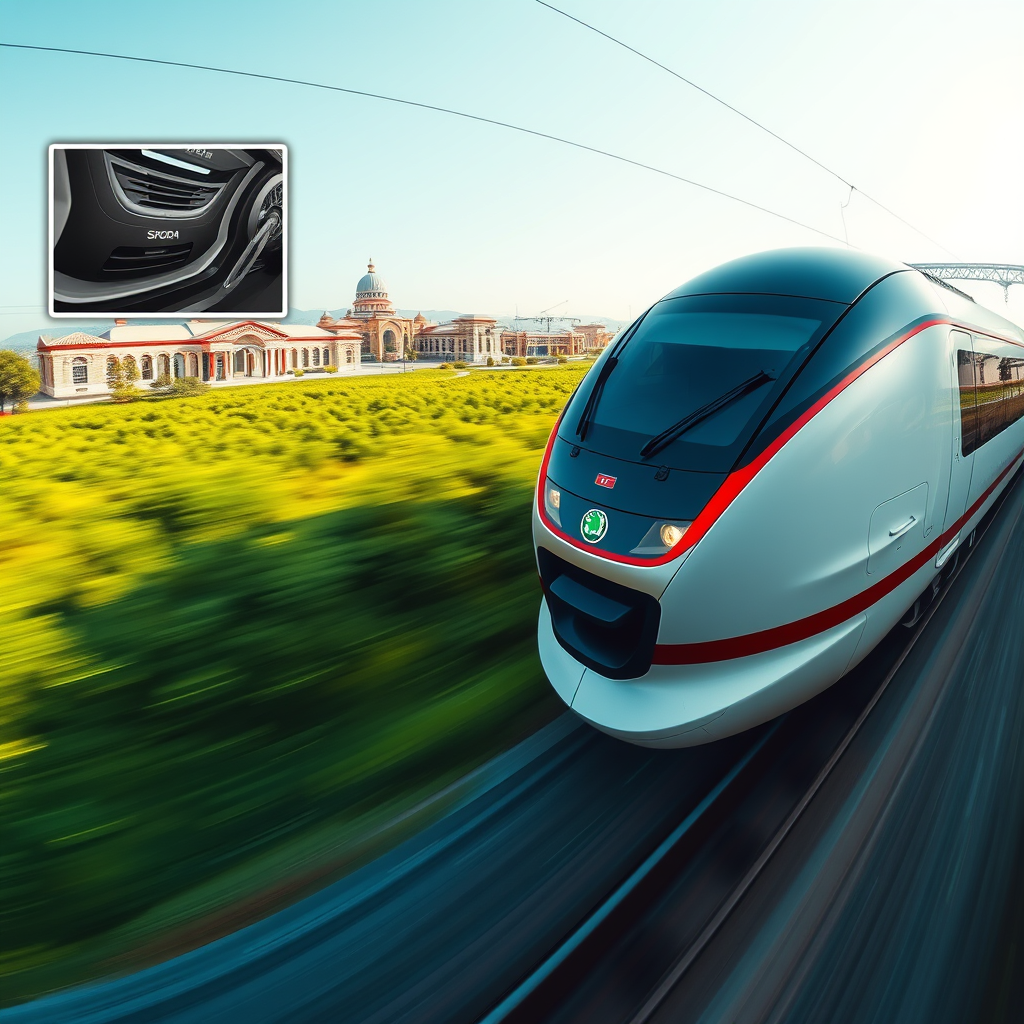
The electrification project involved the procurement of fifteen new electric trains, along with upgrades to the existing infrastructure to support electric operation. This includes the installation of overhead lines (catenary system), upgrading substations, and implementing advanced signaling systems for increased capacity and safety. The introduction of modern EMUs from Bombardier Transportation signifies a commitment to improved passenger comfort, safety features, and energy efficiency, compared to older diesel-powered trains. The adoption of electric traction represents a step towards more sustainable public transportation, reducing reliance on fossil fuels and lowering greenhouse gas emissions.
Economic and Social Impacts
The electrification of the Gawler line is anticipated to have significant positive impacts on both the South Australian economy and its citizens. The project is projected to create hundreds of jobs during construction, boosting employment in the region. Improved public transport options are expected to enhance accessibility for commuters in the northern suburbs of Adelaide, improving their quality of life and commuting times. The increased capacity and reliability of the electrified line will also benefit businesses and the wider economy through reduced travel times and improved efficiency. The shift to a cleaner, greener mode of transportation aligns with broader sustainability goals, contributing to improved air quality in the region. The successful completion of this project serves as a model for similar infrastructure improvements across the state and nation.
Conclusions
The electrification of the Adelaide-Gawler rail line represents a significant milestone in South Australia’s efforts to modernize its public transport system. This A$665 million project, a collaborative venture between the state and federal governments, demonstrates a commitment to improving commuter experiences and supporting economic growth. The project’s core elements—electrification, procurement of new EMUs, and infrastructure upgrades—have collectively addressed challenges relating to capacity, reliability, and sustainability. The introduction of fifteen new electric trains, procured from Bombardier Transportation, significantly enhances passenger comfort, safety, and reduces environmental impact. The estimated creation of 250 full-time equivalent jobs annually over the project duration highlights the project’s positive economic impact. The 15% increase in peak-hour capacity, alongside improvements in reliability and safety, directly benefits the approximately 21,000 daily commuters who rely on this vital transport link. The successful implementation of this project serves as a compelling case study for future rail infrastructure developments in Australia and internationally, illustrating the potential for substantial economic and social benefits through strategic investments in public transportation.
RELATED POSTS

September 18, 2011 5:36 pm
The Metropolitan Transportation Authority of New York, US, has awarded...
February 15, 2025 8:41 pm
Analyzing Key Trends in Global Railway Technology in 2023 The...
April 8, 2020 10:46 pm
This article analyzes the temporary suspension of operations by Grand...
July 6, 2017 1:08 am
Here are a few options for a voiceover-friendly excerpt for...
April 30, 2023 7:25 pm
Alstom Secures Major Regional Train Maintenance Contract in Sweden: A...
October 31, 2015 12:13 pm
Rolling stock is being put together to run on the...