
King’s Cross Upgrade: ECML Transformation

The East Coast Main Line (ECML), a crucial artery of the UK’s railway network, is undergoing a transformative £1.2 billion upgrade. This article delves into the complexities of this project, focusing on a significant phase centered around London King’s Cross station. The upgrade aims to significantly enhance the line’s capacity, reliability, and speed, ultimately improving passenger experience and supporting economic growth in the regions it serves. We will examine the project’s scope, including track layout modifications, tunnel reopening, and signaling system improvements, analyzing its impact on passenger services and the logistical challenges involved in managing such a large-scale undertaking during operational hours. The project’s long-term benefits, both for commuters and the overall rail network, will be critically assessed, weighing them against the inevitable short-term disruption caused by the engineering works. Finally, we will explore the collaborative efforts between Network Rail and train operating companies (TOCs) like LNER to minimize disruption and ensure the successful completion of this ambitious modernization project.
Streamlining King’s Cross and Tunnel Reopening
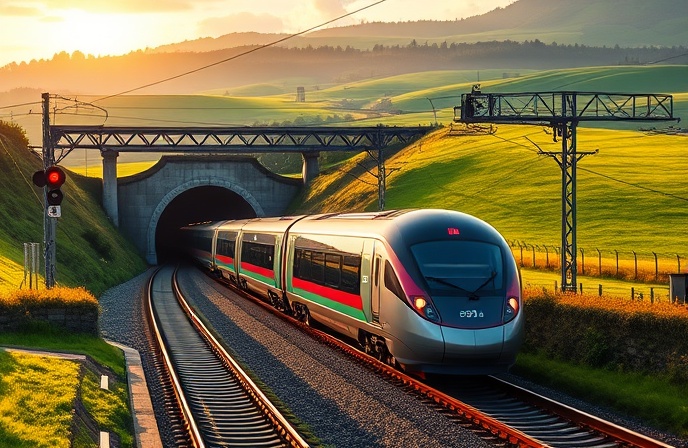
The core of the current phase involves a significant restructuring of the track layout outside King’s Cross station. This includes the reopening of a railway tunnel closed since the 1970s. This seemingly simple act of reopening a dormant tunnel necessitates extensive work, including track laying, signaling upgrades, and safety checks. The streamlining of the track layout aims to reduce congestion at this crucial bottleneck, improving train flow and reducing delays. The expanded capacity enabled by the additional tracks within the reopened tunnel will allow for more frequent and faster services in the future.
Impact on Passenger Services and Mitigation Strategies
This large-scale infrastructure project inevitably leads to disruption for passengers. During the upgrade period (March to early June), most LNER services to and from the north of England and Scotland terminate at Peterborough. A limited service runs to St Neots, supplemented by replacement coach services connecting to St Pancras International and Bedford. Compulsory seat reservations on all LNER services are in place to manage passenger flow and capacity on the revised timetable. The suspension of some services, like Grand Central and Hull Trains, is temporary, planned to resume in March. These mitigation strategies, though inconvenient, are critical to controlling passenger numbers and providing safe working conditions for engineers.
Technological Advancements and Future Capacity
Beyond track and tunnel improvements, the project involves installing more than 6km of new track and 15km of overhead lines. The new signaling system, operating within the refurbished tunnel, will be crucial in enabling faster and more frequent services. These technological upgrades are not merely about immediate improvements; they represent a long-term investment in the ECML’s future capacity and efficiency. The increased capacity will prepare the line for the projected increase in passenger demand in the coming years, making it a more sustainable and resilient part of the national rail network.
Collaboration and Long-Term Vision
The success of this upgrade hinges on close collaboration between Network Rail and the TOCs, particularly LNER. Open communication about the project’s timeline, potential disruptions, and mitigation strategies is vital. The stated aims of faster, more frequent, and more reliable journeys are ambitious but achievable. This coordinated approach reduces uncertainty for passengers and ensures a smooth transition to the improved services once the work is completed. The project showcases a forward-thinking approach to rail infrastructure management, prioritizing long-term gains over short-term inconvenience.
Conclusions
The £1.2 billion upgrade of the East Coast Main Line represents a significant investment in the UK’s railway infrastructure. The current phase, focused on the King’s Cross area, is a crucial step in modernizing a vital transport artery. The reopening of a long-dormant tunnel, coupled with track layout improvements, signifies a tangible increase in line capacity. While the project necessitates temporary disruptions to passenger services, mitigation strategies are in place to minimize inconvenience. The installation of new track, overhead lines, and a modernized signaling system is a long-term investment designed to significantly improve service frequency, speed, and reliability. The success of this project depends heavily on the effective collaboration between Network Rail and LNER (London North Eastern Railway), demonstrating a strategic commitment to improving the passenger experience and bolstering the economic viability of the ECML. Ultimately, this upgrade promises to deliver substantial benefits to commuters, the wider community, and the national railway system for many years to come, establishing a model for future infrastructure improvements on other crucial lines across the country. The seamless integration of technology with the existing network and the proactive communication strategy adopted highlight a more effective approach to managing such large-scale improvements, reducing disruption and improving overall efficiency.
RELATED POSTS
December 3, 2025 3:42 pm
Iarnród Éireann's ambitious rail project, CONNECT, begins! Funded to...
July 1, 2018 11:07 pm
London's Piccadilly line gets a £1.5 billion upgrade with new...

Wabtec and the Pittsburgh Steelers announce a strategic partnership, featuring...
April 9, 2020 7:12 pm
The COVID-19 pandemic presented unprecedented challenges to global transportation systems,...
November 6, 2019 2:56 am
The following article explores the crucial collaboration between Network Rail...