
UK Rail Strikes: Minimum Service Levels Debate
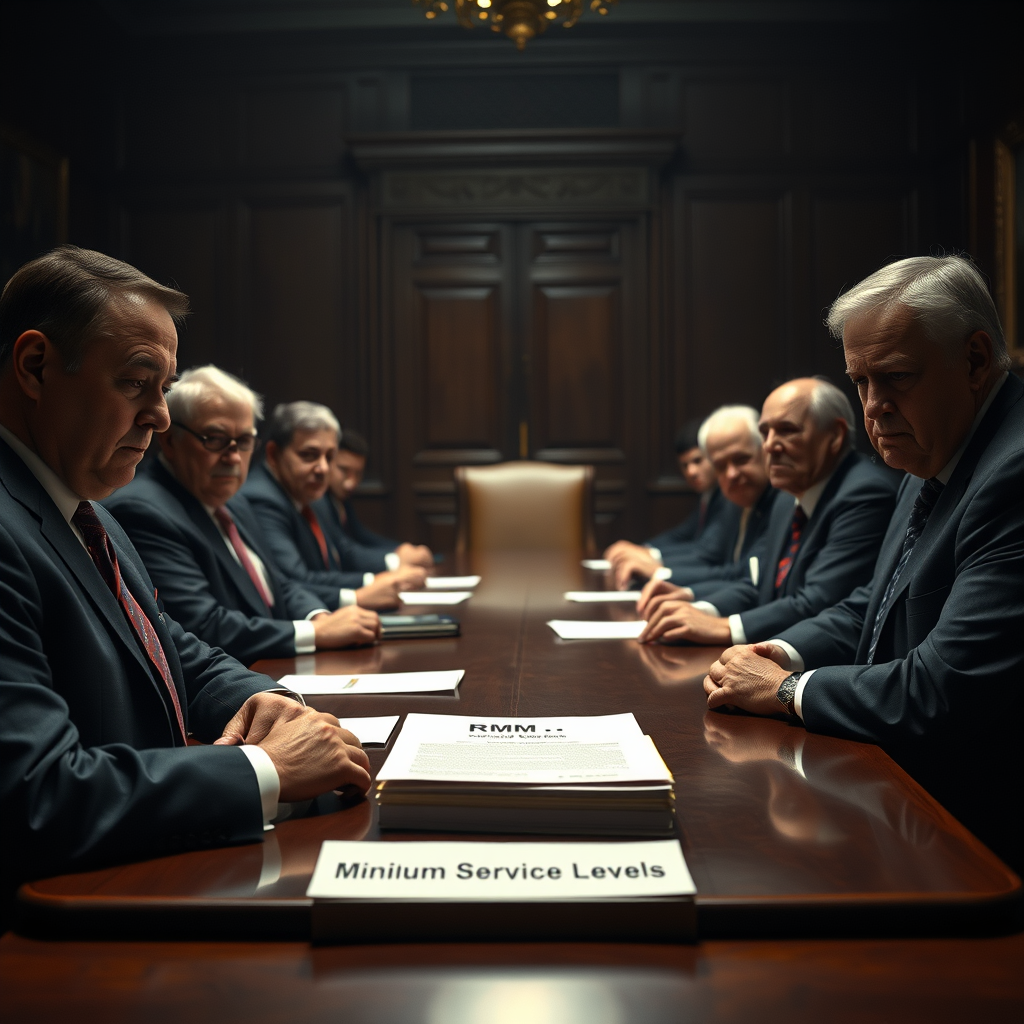
The UK’s Proposed Minimum Service Levels for Rail: A Critical Analysis
The United Kingdom government’s recent announcement regarding the intention to legislate minimum service levels (MSLs) during rail strikes has ignited a fierce debate. This article delves into the complexities of this proposed legislation, analyzing its potential impacts on railway operations, labor relations, and passenger services. We will examine the government’s justifications, the counterarguments presented by trade unions, and the broader international context of MSLs, focusing on the implications for the UK rail network. The core question we address is whether this legislation represents a necessary measure to mitigate strike disruption or an unwarranted intrusion into workers’ rights and collective bargaining processes. We will analyze the potential consequences for both passengers and railway workers, considering the various perspectives involved in this contentious issue.
The Government’s Rationale for Minimum Service Levels
The UK government argues that MSLs are necessary to safeguard essential rail services during industrial action, preventing widespread disruption for passengers and the economy. They cite examples of other European countries with similar legislation, suggesting that the UK is falling behind. The government’s proposed legislation aims to maintain approximately 40% of normal timetable operations during strikes. This is intended to ensure a minimum level of service for critical routes and commuters, mitigating the significant economic and social consequences of widespread rail shutdowns. The government emphasizes that this will ensure that essential services continue to operate even in the face of industrial action while respecting workers’ rights to strike.
Union Opposition and the ILO’s Stance
The UK’s railway unions vehemently oppose the proposed MSLs, characterizing them as an attack on workers’ rights and collective bargaining. The Rail, Maritime and Transport Workers’ union (RMT) and the Trade Union Congress (TUC) argue that the legislation is draconian and could even exacerbate industrial action. They contest the government’s claim that the legislation aligns with European practices, highlighting inconsistencies. Furthermore, they point to the International Labour Organisation (ILO) guidelines, which emphasize that the determination of minimum service levels should involve consultation and agreement between employers, employees, and public authorities. The unions argue that the government’s proposals fail to meet this requirement for tripartite agreement, undermining the principles of fair labor practices.
The Impact on Passengers and the Broader Economic Context
The impact of MSLs on passengers is a crucial consideration. While the government suggests that MSLs will protect passengers from widespread disruption, the unions argue that the legislation might lead to more frequent strikes and potentially more unpredictable service, ultimately harming passengers in the long run. The wider economic consequences also merit consideration. The cost of implementing and enforcing MSLs, alongside potential losses due to reduced services, are significant factors that need to be assessed. The impact on the overall efficiency and profitability of the rail network, and the broader implications for the UK’s transportation sector and the national economy, must be thoroughly evaluated.
The Agency Staff Controversy and Future Outlook
Adding further fuel to the fire, the government intends to consult on removing regulations that restrict the use of agency staff during strikes. This move is likely to deepen the conflict with unions, who see it as a further attempt to undermine their collective bargaining power. The implications of allowing wider agency staff usage during strikes extend beyond simple service maintenance; they raise critical questions about fairness, job security, and the overall future of employment in the UK rail industry. This added layer of complexity complicates the debate surrounding MSLs and introduces significant uncertainty.
Conclusions
The UK government’s proposal to introduce minimum service levels during rail strikes is a highly contentious issue with significant implications for labor relations, passenger services, and the wider economy. While the government emphasizes the need to mitigate disruption and maintain essential services, trade unions strongly oppose the legislation, arguing that it infringes on workers’ rights and could backfire by escalating industrial action. The debate highlights a fundamental tension between ensuring the continuity of essential public services and upholding workers’ right to collective bargaining. The involvement of the ILO and the discrepancies in the comparison with other European countries raise serious questions about the government’s justification. Furthermore, the proposal to allow wider use of agency staff during strikes adds another layer of complexity to this multifaceted issue. The potential consequences – both positive and negative – for passengers, workers, and the economy as a whole demand a thorough and transparent debate, informed by comprehensive data and a commitment to finding a fair and sustainable solution. A balanced approach that respects both workers’ rights and the need for reliable public transport remains the crucial objective. The ultimate success or failure of this legislation will depend on its ability to effectively address these complex and interconnected concerns. A deeper and more nuanced understanding of the interplay between labor rights, public services, and economic stability is essential for charting a path forward that serves the interests of all stakeholders.
RELATED POSTS
October 30, 2025 2:54 am
Hitachi Rail integrates NVIDIA's IGX Thor for its HMAX platform,...

September 19, 2025 12:55 am
“`html Introduction Washington State regulators approved $25,000 in funding from...
October 28, 2020 2:40 pm
The Evolution of Rail Test Systems: A Case Study of...

February 25, 2025 10:17 am
This article explores the significant purchase of four advanced C30ACi...

October 22, 2025 5:54 pm
Norfolk Southern's Bellevue hump yard efficiently processed 2,600 **rail cars**...
December 6, 2021 7:37 pm
Introduction This article analyzes the strategic divestment of Ermewa Holding,...