
LNER’s Tri-Mode Revolution: Green Rail’s Future
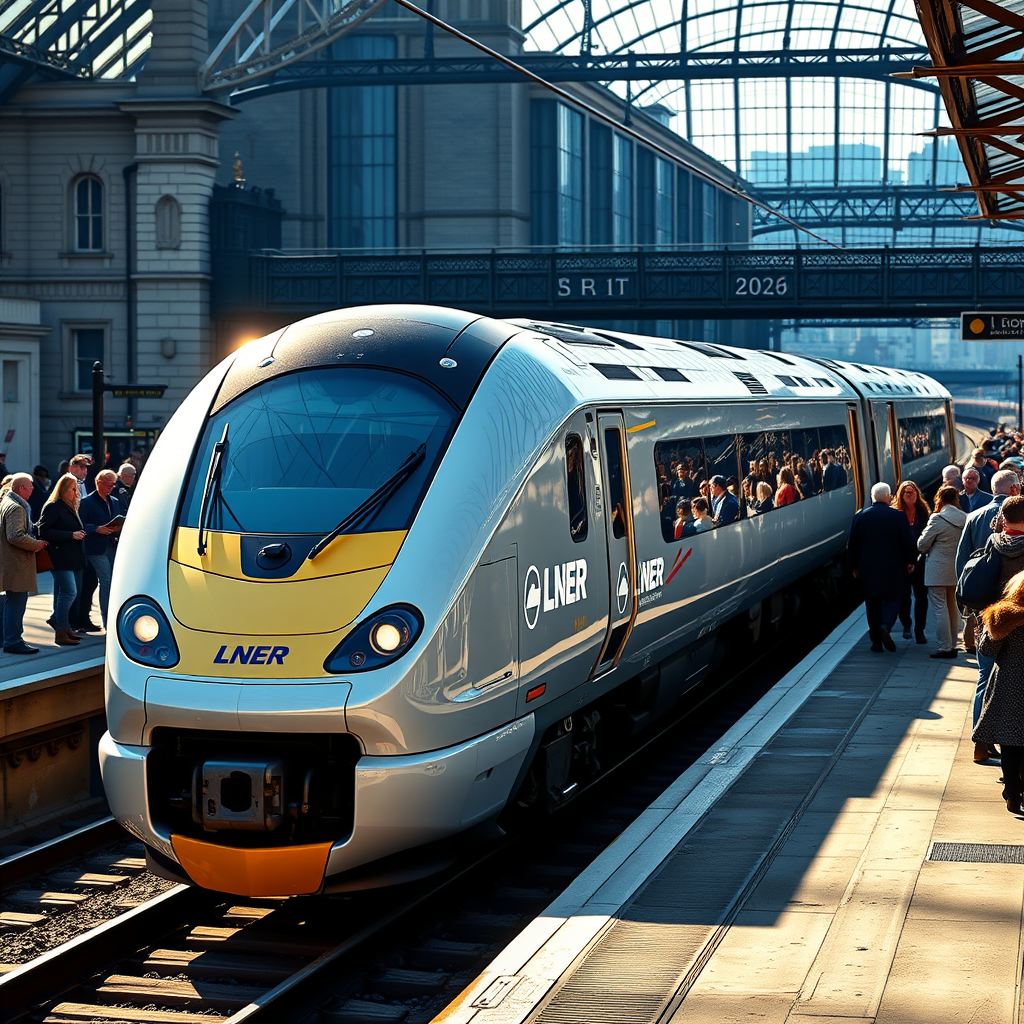
This article explores the significant addition of ten new tri-mode locomotives to the London North Eastern Railway (LNER) fleet, supplied by Construcciones y Auxiliar de Ferrocarriles (CAF). This acquisition represents a substantial investment in sustainable rail transportation, marking a key step towards LNER’s ambitious decarbonization goals. We will examine the technological advancements embodied in these tri-mode trains, their environmental impact, the economic implications of the project, and the broader strategic context within the UK rail industry’s modernization efforts. The analysis will delve into the operational advantages of tri-mode technology, its contribution to reducing carbon emissions and noise pollution, and the role of private sector investment in achieving these advancements. Furthermore, we will discuss the implications for passenger experience and the wider economic benefits generated by this significant infrastructure project. The analysis will consider the long-term strategic impact on LNER’s operational efficiency, sustainability profile, and competitive advantage within the UK rail market.
Tri-Mode Technology: A Leap Forward in Rail Sustainability
The core of this development lies in the adoption of tri-mode technology. These locomotives can operate using three power sources: battery, electric (via pantograph – a current collector), and diesel. This flexibility offers significant advantages. Electrified sections of the East Coast Main Line (ECML) will utilize the electric mode, maximizing energy efficiency and minimizing emissions. Non-electrified sections can rely on the diesel engine, ensuring uninterrupted service. Critically, the battery mode allows for emission-free operation in sensitive areas or during shunting maneuvers within stations, further reducing the environmental footprint. This adaptability represents a major step towards a cleaner and more efficient rail network.
Environmental Impact and LNER’s Sustainability Strategy
LNER’s commitment to reducing its carbon footprint is evident in this investment. The projected 15-times lower pollution compared to domestic flights underscores the significant environmental benefit. These trains are not merely replacements for older stock; they are active contributors to LNER’s ambitious target of a 67% emissions reduction by 2035 and net-zero emissions by 2045. This commitment aligns with broader UK government objectives for decarbonizing the transportation sector. The integration of these new trains directly contributes to achieving these crucial sustainability goals and demonstrates a proactive approach to environmental responsibility.
Economic Implications and Private Sector Investment
The project extends beyond environmental benefits; it has substantial economic implications. The contract awarded to CAF, with its associated maintenance services, supports job creation at the CAF manufacturing plant in Newport, Wales, and stimulates economic growth within the region. The involvement of Porterbrook as the financier highlights the important role of private sector investment in modernizing the UK rail network. This public-private partnership model demonstrates a viable approach to funding essential infrastructure improvements without solely relying on public funds. The UK Rail Minister’s emphasis on private sector participation underscores the government’s strategy of leveraging private investment to drive modernization and improve services.
Strategic Positioning and Future of Rail Transportation
The introduction of these tri-mode trains is not an isolated event but a strategic move within LNER’s broader business plan. The focus on improving passenger comfort, accessibility, and overall service quality demonstrates a customer-centric approach. This investment positions LNER competitively within the UK rail market, showcasing a commitment to modernizing its fleet and enhancing its reputation as a provider of reliable and sustainable transportation. The successful integration of these trains into the existing Azuma fleet will enhance operational efficiency and further solidify LNER’s position as a leading rail operator.
Conclusion
The delivery of ten new tri-mode trains by CAF to LNER represents a significant milestone in the modernization and decarbonization of the UK rail network. The adoption of tri-mode technology offers unparalleled flexibility and efficiency, minimizing environmental impact while ensuring reliable service across both electrified and non-electrified sections of the East Coast Main Line. LNER’s commitment to sustainability, demonstrated by its ambitious emission reduction targets, is further strengthened by this investment. The project also highlights the economic benefits stemming from private sector involvement, creating jobs and stimulating growth in the UK. The successful integration of these trains will not only improve passenger experience but also enhance LNER’s competitive standing within the rail industry. This initiative serves as a model for future rail development, showcasing the potential for combining technological innovation, environmental responsibility, and economic growth to create a more sustainable and efficient transportation future. The success of this project reinforces the crucial role of strategic investments in modernizing aging rail infrastructure and emphasizes the potential of public-private partnerships to drive progress in the rail sector. The emphasis on passenger comfort, accessibility, and the incorporation of state-of-the-art safety technology showcases a commitment to delivering a high-quality, sustainable, and passenger-focused rail service. The long-term implications for LNER are significant, promising improved operational efficiency, enhanced sustainability credentials, and a strengthened market position. This initiative demonstrates a pathway towards a cleaner, more efficient, and passenger-centric future for rail transportation.
RELATED POSTS

January 9, 2017 8:17 am
Aspire is the largest coal tenement holder in Mongolia’s Northern...

September 30, 2020 9:02 am
Modernizing Indian Railways Through Academic Collaboration This article explores the...
April 8, 2025 5:04 am
The Successful Completion of the Foothill Gold Line Light Rail...
May 28, 2025 9:00 pm
News Article: Ballarat Station Accessibility Upgrade Introduction Ballarat Station, a...
July 6, 2023 1:35 am
This article explores the strengthening partnership between Pandrol, a leading...
October 4, 2021 2:39 pm
This article explores the advancements in railway safety technology, specifically...