
Prague’s 200 New Škoda Trams: A Modern Transit Revolution
Introduction
This article delves into the significant contract awarded to Škoda Transportation for the delivery of up to 200 new trams to Prague, Czech Republic. This represents a substantial investment by the Prague Public Transit Company (DPP) and marks a considerable upgrade to the city’s tram network. We will examine the technical specifications of the new “Škoda ForCity Plus Praha 52T” trams, focusing on their design, features, and the rationale behind their technological choices. Further analysis will explore the broader implications of this project, including its impact on Prague’s public transportation system, the economic benefits for Škoda, and the advancements in tram technology showcased by this contract. Finally, we’ll consider the long-term strategic planning involved in such a large-scale procurement and its potential effect on the future of urban transportation in Prague. The financial commitment of CZK 16.6bn ($730m) underscores the importance of this project for both the city and the manufacturer.
The Škoda ForCity Plus Praha 52T: Design and Features
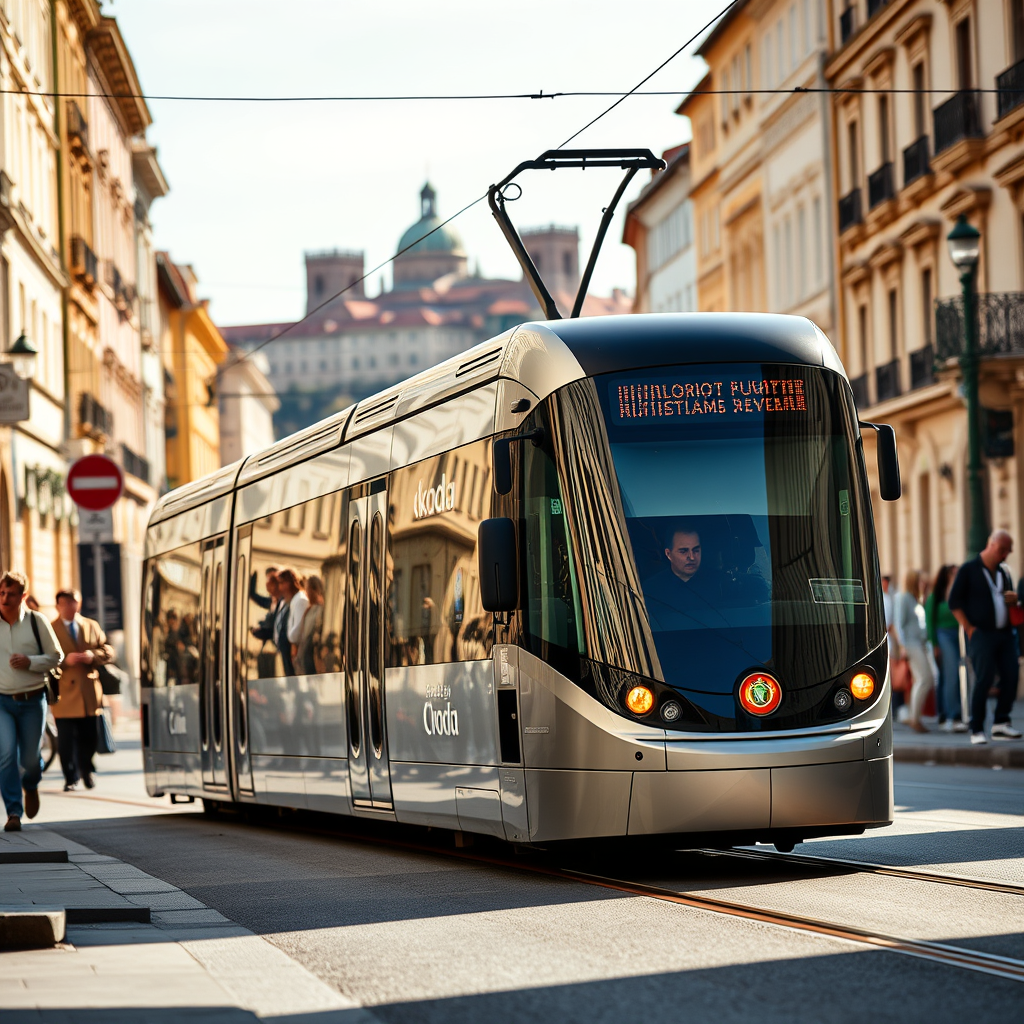
The Škoda ForCity Plus Praha 52T trams represent a significant advancement in urban rail technology. Key features include a modern design incorporating a 100% low-floor layout, enhancing accessibility for all passengers. These 32-meter-long vehicles boast full carriage air conditioning for passenger comfort, irrespective of external weather conditions. Crucially, the trams are equipped with an advanced anti-collision system leveraging dual LiDAR (Light Detection and Ranging) and high-definition cameras, aligning with the increasing safety standards within the rail industry. The implementation of this system significantly reduces the risk of accidents and enhances overall operational safety.
Sustainable Technology and Operational Efficiency
A notable aspect of the new trams is the adoption of electro-mechanical brakes. This choice, according to Škoda, prioritizes efficiency and sustainability. Electro-mechanical brakes offer lower maintenance costs and a significantly reduced environmental impact compared to traditional hydraulic systems, as they are oil-free. This aligns with global efforts to reduce carbon emissions and promote environmentally responsible transportation solutions. The overall design prioritizes operational efficiency, contributing to lower running costs for the DPP.
Contractual Aspects and Phased Implementation
The eight-year contract between Škoda Transportation and the DPP allows for the delivery of up to 200 trams. The initial phase involves the delivery of 40 trams, with 20 units expected in Q4 2025 and the remaining 20 in Q4 2026. The remaining 160 trams are subject to securing further financing, with a potential completion date extending to 2032 if the full contract is exercised. This phased approach allows for a gradual integration of the new vehicles into the existing tram network, minimizing disruption to services. The meticulous tender process highlights DPP’s commitment to transparency and value for money.
Conclusions
The contract between Škoda Transportation and the DPP for the delivery of up to 200 new trams to Prague represents a pivotal moment for both parties. For Škoda, it secures a significant market share in a demanding and prestigious urban transit market, showcasing their technological capabilities and commitment to innovation. For Prague, this contract marks a substantial investment in upgrading its public transport infrastructure, aiming to enhance passenger experience, safety, and sustainability. The choice of the Škoda ForCity Plus Praha 52T, with its emphasis on accessibility, advanced safety features (like the dual LiDAR and HD camera anti-collision system), and environmentally friendly electro-mechanical brakes, demonstrates a forward-thinking approach to urban transportation. The phased implementation of the contract minimizes service disruption while allowing for a gradual modernization of Prague’s tram fleet. The long-term implications are significant, impacting not only the city’s transport network but also potentially influencing future procurement strategies for urban transit systems worldwide. The success of this project will serve as a benchmark for future large-scale tram procurements, demonstrating the importance of a holistic approach encompassing technological advancement, operational efficiency, and long-term sustainability.
RELATED POSTS

February 23, 2025 12:35 am
HS2’s Enhanced IT Partnership: A Strategic Move for High-Speed Rail...

August 5, 2025 4:33 pm
TransPennine Route Upgrade boosts Northern England rail, electrifying key sections...

July 14, 2019 11:26 pm
Introduction This article delves into the significant $50 million investment...
October 9, 2024 9:15 am
This article explores the significant infrastructure upgrade project undertaken by...

June 25, 2009 10:49 am
US railroad Amtrak has proposed a $20m project to build...

November 14, 2025 4:54 am
NJ Transit invests over $917M in a comprehensive multilevel **rail...