
Auckland Light Rail Cancellation: Lessons Learned
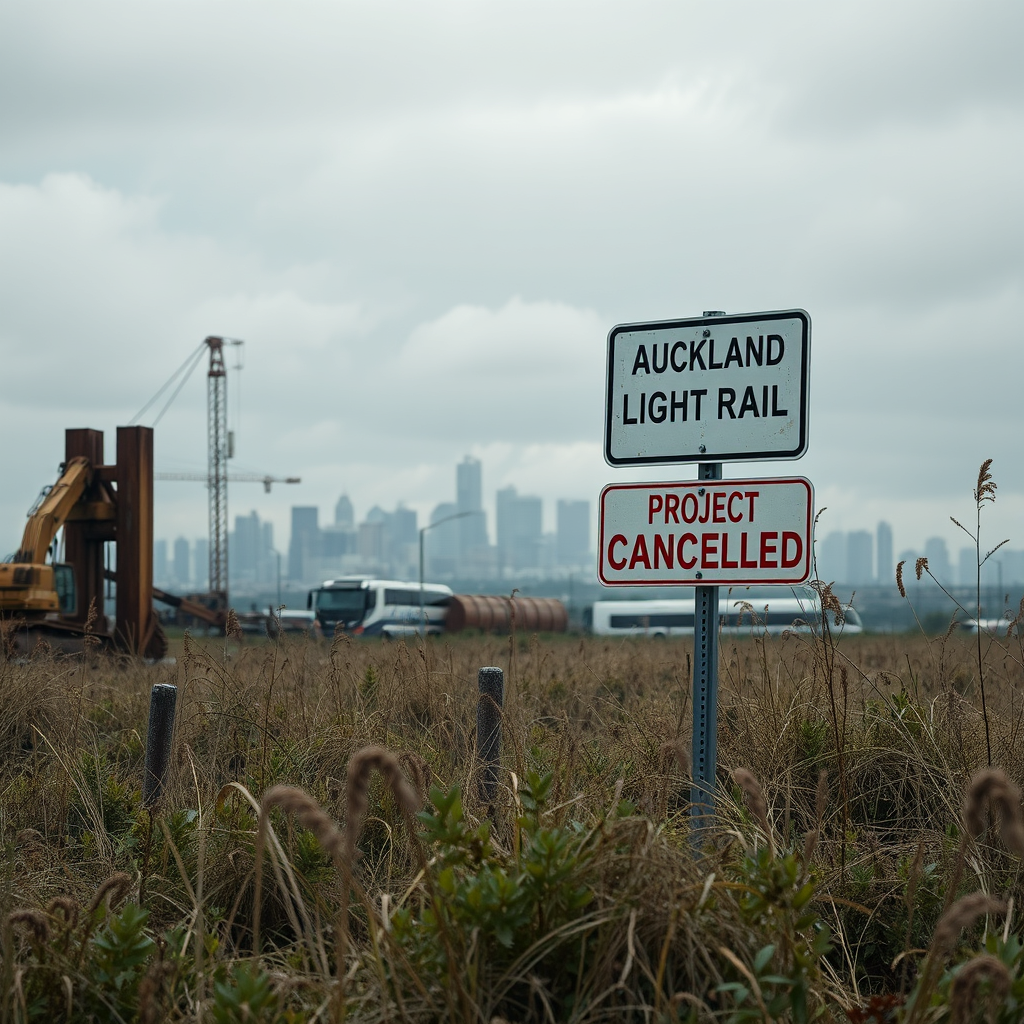
The recent cancellation of the Auckland Light Rail (ALR) project in New Zealand highlights the complex challenges inherent in large-scale public transit initiatives. This article will delve into the factors contributing to the project’s demise, analyzing the economic considerations, the political landscape, and the broader implications for urban transportation planning. We will examine the stated reasons for cancellation, exploring whether the cost overruns were truly insurmountable or if alternative solutions could have been implemented. Furthermore, we’ll consider the long-term consequences for Auckland’s transportation infrastructure and the potential impact on future light rail projects in New Zealand and beyond. The ALR project, initially envisioned as a crucial link between Auckland’s city center (Britomart) and the international airport, serves as a case study in the complexities of urban rail development. Its cancellation offers valuable lessons for future transit planning, emphasizing the importance of robust cost-benefit analyses, transparent communication, and effective project management.
Economic Viability and Cost Overruns
The NZ$15 billion (US$9 billion) price tag attached to the ALR project became a major point of contention. The government cited concerns that this cost, already significant, was likely to escalate further, placing an undue burden on taxpayers. The argument was made that the project’s projected return on investment (ROI) did not justify such a substantial expenditure, especially given the lack of tangible progress after six years and NZ$228 million already invested. Critics questioned whether a more cost-effective solution, such as improved bus rapid transit (BRT) systems or strategic road improvements, might have yielded comparable benefits at a fraction of the cost. A thorough analysis of alternative transportation solutions and their comparative costs should have been a priority throughout the project’s lifecycle.
Political Landscape and Shifting Priorities
The cancellation of the ALR project reflects a change in political leadership and priorities. The new coalition government, fulfilling a campaign promise, viewed the project as “wasteful and unfit for purpose.” This decision highlights the inherent political risks associated with large-scale infrastructure projects, particularly those with long timelines and significant financial commitments. The project’s fate demonstrates the vulnerability of such long-term investments to changes in government and shifts in political agendas. Long-term planning needs to incorporate strategies to mitigate the risks associated with political instability and ensure project continuity across different administrations.
Project Management and Implementation Challenges
The fact that not a single meter of track was laid after six years of planning and investment points to significant deficiencies in project management and implementation. This lack of progress raised serious questions regarding the project’s feasibility and the effectiveness of the organizational structures responsible for its oversight. Poor communication, inadequate risk assessment, and a lack of clear accountability may have contributed to the delays and ultimately, the project’s failure. A comprehensive review of the ALR project’s management should identify shortcomings and inform best practices for future rail initiatives.
Alternative Transportation Solutions and Future Planning
The government’s decision to cancel the ALR project was accompanied by a commitment to invest in alternative transportation infrastructure. This raises the crucial question of how these alternative solutions will address the transportation needs of Auckland’s growing population and whether they offer a viable long-term strategy. Careful consideration must be given to the integration of various modes of transportation, including bus networks, rail links, and cycling infrastructure, to create a comprehensive and efficient system. The success of these alternative approaches will be a key indicator of the government’s commitment to sustainable and effective public transportation in Auckland.
Conclusions
The cancellation of the Auckland Light Rail project serves as a cautionary tale in large-scale infrastructure development. The confluence of economic concerns, shifting political priorities, and significant project management challenges ultimately led to its demise. The NZ$15 billion (US$9 billion) price tag, coupled with the lack of tangible progress after six years, fueled public and political criticism. While the government emphasizes its commitment to alternative transportation solutions, the long-term success of these alternatives remains to be seen. The situation underscores the critical need for meticulous planning, robust cost-benefit analyses, transparent communication, and effective project management in all future large-scale transit initiatives. Furthermore, strategies to mitigate the inherent political risks associated with long-term infrastructure projects are essential. Future projects must demonstrate clear economic viability, incorporate resilient project management methodologies, and maintain consistent political support to avoid repeating the costly mistakes of the ALR project. Ultimately, the ALR’s cancellation offers valuable lessons for urban planners and policymakers globally, emphasizing the importance of comprehensive, integrated, and strategically sound transportation planning. The experience highlights that simply proposing a solution is not enough; robust financial planning, transparent communication, and demonstrable progress are vital components for successful large-scale transportation projects.
RELATED POSTS

February 10, 2022 3:11 pm
This article delves into the significant upgrade of the signaling...

SWM (Stadtwerke München – Munich Municipal Authorities) and its subsidiary...
November 7, 2019 1:45 am
This article explores the significant modernization and expansion of Alstom...
September 19, 2021 7:06 am
This article explores the recently completed extension of the rail...
August 6, 2017 3:30 am
High-speed rail is evolving! Explore innovative technologies and infrastructure...
October 16, 2019 1:10 pm
Revolutionizing Rail Transit: The Smart Station of the Future The...