
China-Laos Railway: Reshaping Southeast Asia’s Connectivity

The China-Laos Railway: A Case Study in Cross-Border Rail Cooperation
The completion of the China-Laos railway marks a significant milestone in regional infrastructure development and international cooperation. This article will delve into the implications of this project, examining the intergovernmental agreements facilitating cross-border operations, the logistical challenges overcome during construction, the projected economic benefits, and the potential for future expansion and integration with Southeast Asian rail networks. The establishment of a seamless, efficient, and legally sound cross-border rail system presents unique opportunities and challenges in areas such as customs procedures, infrastructure compatibility, and the harmonization of operational standards. Understanding these complexities is crucial for evaluating the long-term success and broader impact of this ambitious undertaking, not just for China and Laos, but also for the wider Belt and Road Initiative (BRI) strategy. This analysis will explore these facets, offering insights into the challenges of managing such a large-scale international project and its potential to reshape regional trade and connectivity.
Intergovernmental Agreements and Operational Harmonization
The successful launch of the China-Laos railway hinges on the establishment of a robust legal framework governing cross-border operations. The intergovernmental agreement signed between China’s National Railway Administration (NRA) and Laos’ Ministry of Public Works and Transport provides this crucial foundation. This agreement addresses critical issues such as customs procedures, safety regulations, and the division of responsibilities between the operating entities in both countries. This legal framework mitigates inconsistencies in railway management, ensuring smoother operations and reducing potential bottlenecks at the border. Without such clear agreements, the efficiency and profitability of the railway would be significantly hampered.
Infrastructure Development and Logistical Challenges
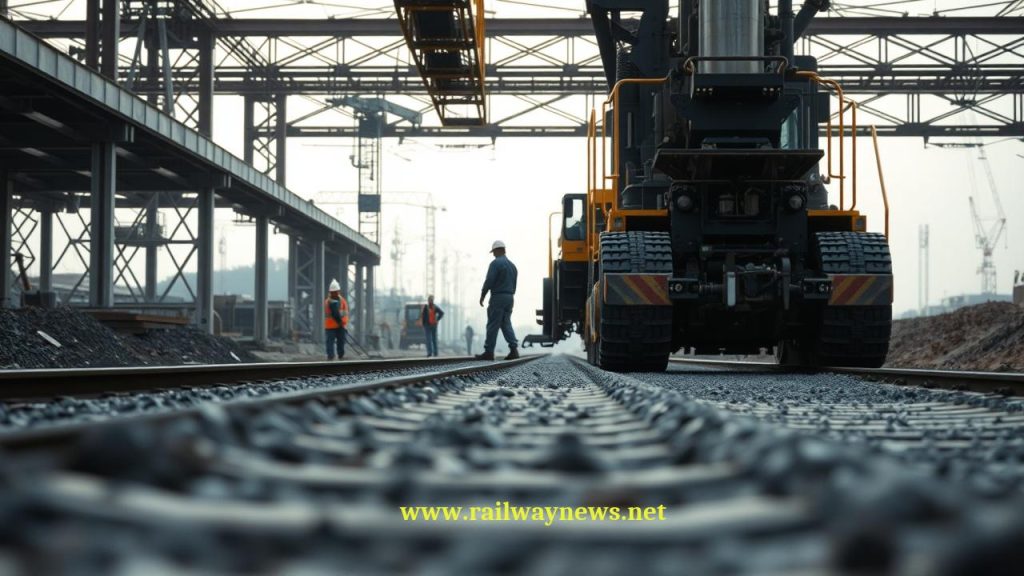
The construction of the 1,035km railway line from Kunming, Yunnan Province (China) to Vientiane, Laos, presented considerable logistical challenges. The project, initiated in December 2016, required significant investment in infrastructure, including the laying of track, construction of stations, and the establishment of supporting infrastructure such as communication and signaling systems. The diverse terrain traversed by the railway, coupled with the need to adhere to stringent safety and environmental standards, demanded careful planning and execution. Overcoming geographical obstacles and coordinating resources across national borders necessitated close collaboration between Chinese and Laotian engineers and construction teams.
Economic Impact and Regional Connectivity
The China-Laos railway is anticipated to significantly boost economic activity in both countries. The reduction in travel time between Vientiane and the China-Laos border from two days to three hours, and the overnight journey to Kunming, will dramatically improve the efficiency of freight transport. This will facilitate increased trade volumes, projected to reach 3.7 million tonnes by 2030, and reduce transportation costs. The integration with the Belt and Road Initiative (BRI) network further enhances its economic significance, linking Laos to wider regional and global markets. The railway’s potential to facilitate the movement of both goods and passengers will contribute to economic growth and regional integration.
Future Expansion and Integration with Southeast Asia
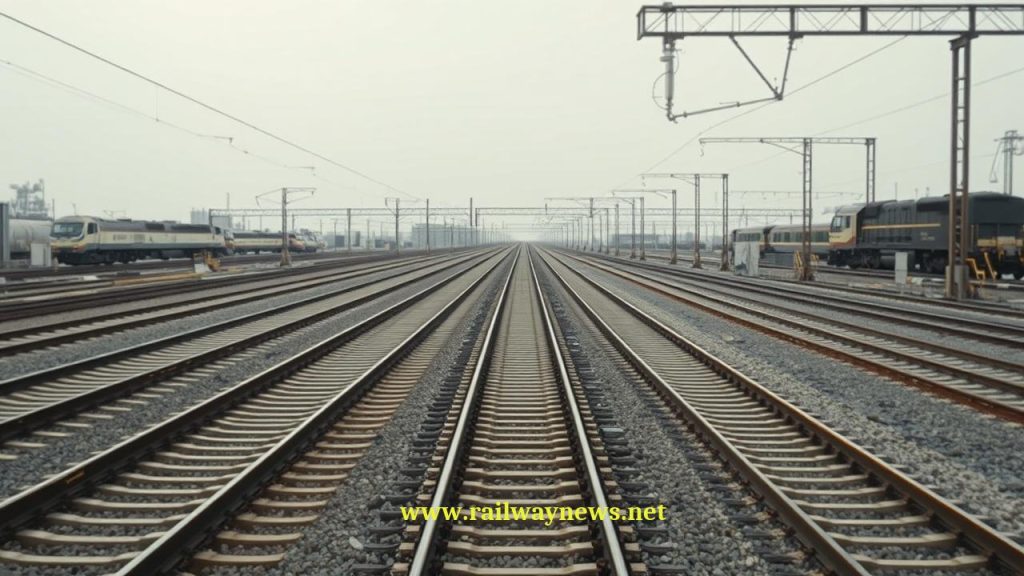
The China-Laos railway is not intended to be a standalone project. Future plans include integrating the electrified passenger and freight rail lines with existing networks in Thailand, Malaysia, and Singapore, creating a comprehensive trans-Asian rail corridor. This expansion would significantly enhance regional connectivity, facilitating trade and tourism across Southeast Asia. The potential for high-speed rail expansion in the region offers the opportunity to transform transportation across the continent, increasing speed, efficiency, and affordability while promoting economic growth and cultural exchange.
Conclusions
The China-Laos railway represents a landmark achievement in cross-border rail infrastructure development and international cooperation. The successful implementation of this project demonstrates the potential for ambitious infrastructure projects to drive economic growth and regional integration. The establishment of a clear intergovernmental agreement has been critical in addressing the operational and logistical challenges of managing a cross-border rail system, ensuring smoother operations and reducing potential inconsistencies. The anticipated economic benefits, including reduced transportation costs, increased trade volumes, and improved regional connectivity, highlight the transformative impact of this infrastructure investment. Looking ahead, the planned integration with existing rail networks in Southeast Asia promises to further enhance regional connectivity and transform the way goods and people move across the continent. The success of the China-Laos railway provides a valuable model for future cross-border rail projects, emphasizing the importance of effective intergovernmental cooperation, robust legal frameworks, and careful planning in ensuring the successful execution of large-scale infrastructure endeavors. The project’s long-term success will not only depend on the continued efficiency of its operations but also on its ability to adapt to future needs and integrate seamlessly with evolving regional transportation strategies. The potential for expansion into high-speed rail technology, as demonstrated by China’s advancements in maglev train technology, further underscores the transformative possibilities of this infrastructure investment for the region and its contribution to the broader goals of the Belt and Road Initiative.
RELATED POSTS
April 1, 2026 12:10 pm
Alstom secured a €410 million contract from CFR SA to...

April 1, 2026 8:40 pm
BNSF Railway expands Galesburg, Illinois, yard capacity, with second hump...

April 1, 2026 4:31 pm
Network Rail upgraded Berrylands station platforms for £6 million, replacing...
April 1, 2026 6:21 pm
Federal Transit Administration awarded $20.6 billion in formula-based apportionments to...