
Pune Metro’s Alstom Metropolis: A Green Revolution
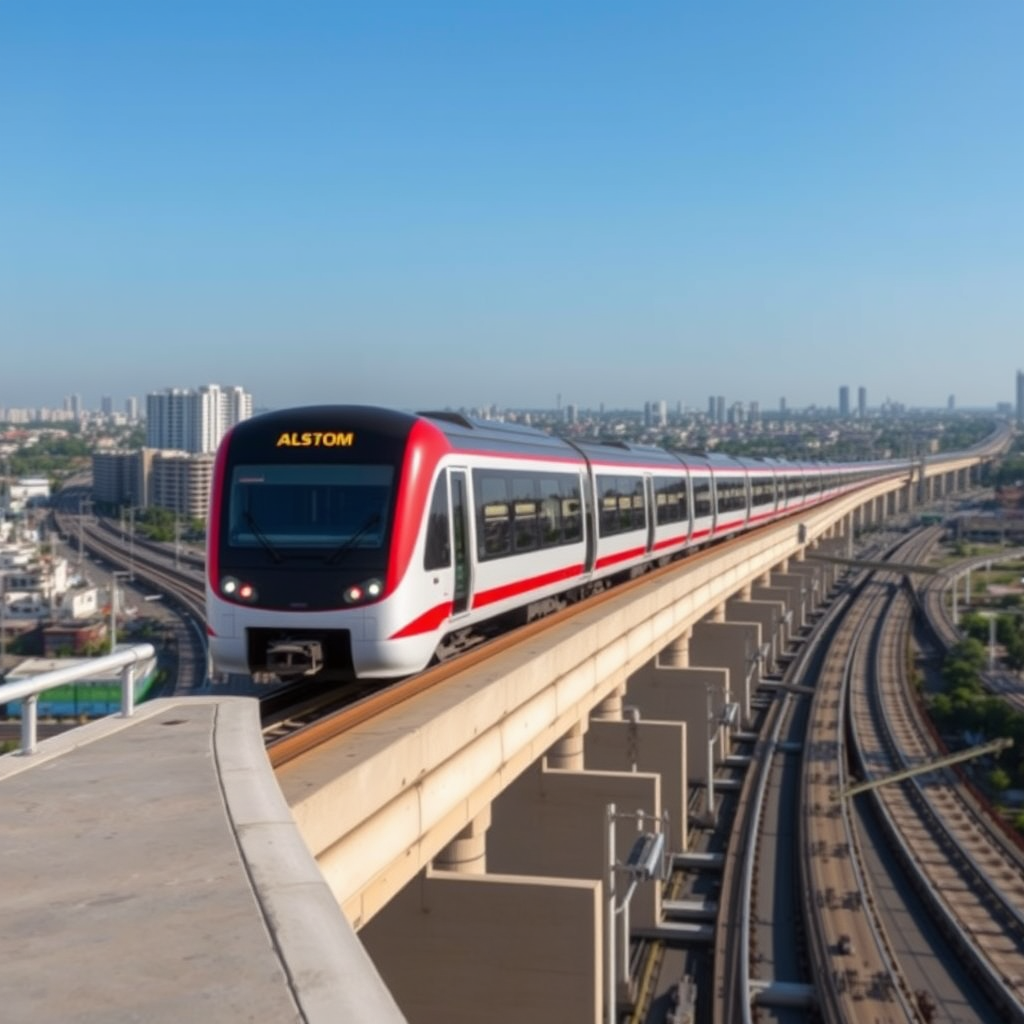
This article explores the recent delivery of Alstom Metropolis trainsets for Pune Metro Line 3 in India, highlighting the significance of this project within the broader context of India’s expanding metro network and the global reach of Alstom’s rolling stock manufacturing capabilities. The delivery marks a key milestone in the development of Pune’s public transportation infrastructure, showcasing the successful implementation of a Public-Private Partnership (PPP) model and the adoption of technologically advanced, domestically manufactured rolling stock. We will analyze the technological specifications of the trainsets, the collaborative partnerships driving the project’s success, the broader implications for Pune’s urban development, and the role of such projects in addressing the challenges of rapid urbanization in developing economies. The article also touches upon the wider context of sustainable transportation solutions and the increasing importance of technological advancements within the railway industry, focusing particularly on the integration of advanced signaling and control systems and the shift towards electric traction.
The Alstom Metropolis Trainsets: Specifications and Capabilities
Alstom, a leading global manufacturer of rail transportation equipment, has delivered the first of 22 Metropolis trainsets for Pune Metro Line 3. These three-car trainsets, manufactured at Alstom’s facility in Sricity, Andhra Pradesh, are designed for a maximum operating speed of 85 km/h (approximately 53 mph) and boast a passenger capacity of 1,000. The use of domestically manufactured rolling stock signifies a significant step towards enhancing India’s indigenous manufacturing capabilities and reducing reliance on imports. The selection of Metropolis trains, proven technology utilized globally, ensures a high level of reliability and operational efficiency for the Pune Metro system. This commitment to proven technology is a key factor in the success of large-scale transit projects, minimizing risk and ensuring on-time performance.
Public-Private Partnerships and Project Collaboration
The Pune Metro Line 3 project exemplifies the successful implementation of a Public-Private Partnership (PPP) model. Alstom secured the contract in 2021 as part of a joint venture with TRIL Urban Transport Private Limited (a Tata Group company) and Siemens Project Ventures. This collaborative approach leverages the expertise of both public and private entities, combining the government’s infrastructure planning and regulatory oversight with the private sector’s efficiency and technological innovation. This PPP structure facilitates the efficient allocation of resources, risk sharing, and the transfer of knowledge, which are crucial for the successful delivery of complex infrastructure projects.
Impact on Pune’s Urban Development and the Broader Indian Context
The completion of Pune Metro Line 3, connecting the IT hub of Hinjawadi to the central business district of Shivajinagar, will significantly improve connectivity and reduce travel times for commuters. This improvement will have a substantial positive impact on the city’s economic development and quality of life. The project aligns with India’s broader strategy to expand its metro networks and enhance urban mobility in rapidly growing cities. This investment in public transportation is crucial for managing urban sprawl, reducing traffic congestion, and promoting sustainable urban development. The project’s success is a testament to India’s ongoing commitment to building modern and efficient public transportation systems.
Technological Advancements and Sustainable Transportation
The introduction of modern, electric-powered Metropolis trainsets signifies a commitment to sustainable transportation. Electric trains are significantly more environmentally friendly than traditional diesel-powered trains, reducing greenhouse gas emissions and improving air quality in urban areas. Moreover, the use of advanced signaling and control systems, though not explicitly detailed in the initial information, are typically incorporated into such projects. These systems, including centralized train control (CTC) and Automatic Train Protection (ATP), enhance operational efficiency, safety, and capacity. This focus on technological advancements in both rolling stock and infrastructure signifies a modern approach to railway engineering, ensuring efficient and reliable operation of the metro system.
Conclusion
The delivery of Alstom’s Metropolis trainsets to Pune Metro marks a significant achievement, demonstrating the successful collaboration between public and private sectors in delivering a critical infrastructure project. The project highlights several key factors contributing to its success, including the strategic selection of proven technology, the benefits of PPP models, and the commitment to sustainable and technologically advanced transportation solutions. The impact extends beyond the immediate improvement in Pune’s public transportation, reflecting a larger trend in India’s commitment to modernizing its infrastructure and developing sustainable urban transportation networks. The project’s success serves as a model for other developing nations facing similar challenges of rapid urbanization and the need for efficient and sustainable mass transit solutions. The combination of Alstom’s global expertise with domestic manufacturing capabilities ensures a sustainable and efficient long-term solution for Pune’s growing transportation needs. Further advancements in signaling and control technologies, likely integrated into Line 3, will further enhance safety, efficiency, and capacity, ensuring that the system continues to meet the city’s evolving demands for decades to come. The successful completion of this project underscores the importance of strategic partnerships and technologically advanced solutions in addressing the challenges of sustainable urban development.
RELATED POSTS

October 18, 2021 8:08 pm
Škoda’s Contribution to Tanzania’s Railway Modernization: A Case Study in...

August 15, 2025 10:34 am
ecologiQ Greener Infrastructure Conference explores sustainable railway practices, focusing on...
May 9, 2022 12:44 am
This article examines a significant investment by the European Commission...
February 27, 2025 11:31 pm
Introduction This article examines the East West Rail (EWR) project...
November 25, 2025 8:01 pm
MBTA completes $12M rail replacement on the Fairmount Line. This...
October 29, 2019 3:48 pm
The European Union’s €1.4 Billion Investment in Sustainable Transport: A...