
DSB’s Talgo EuroCity: Modernizing Danish Rail
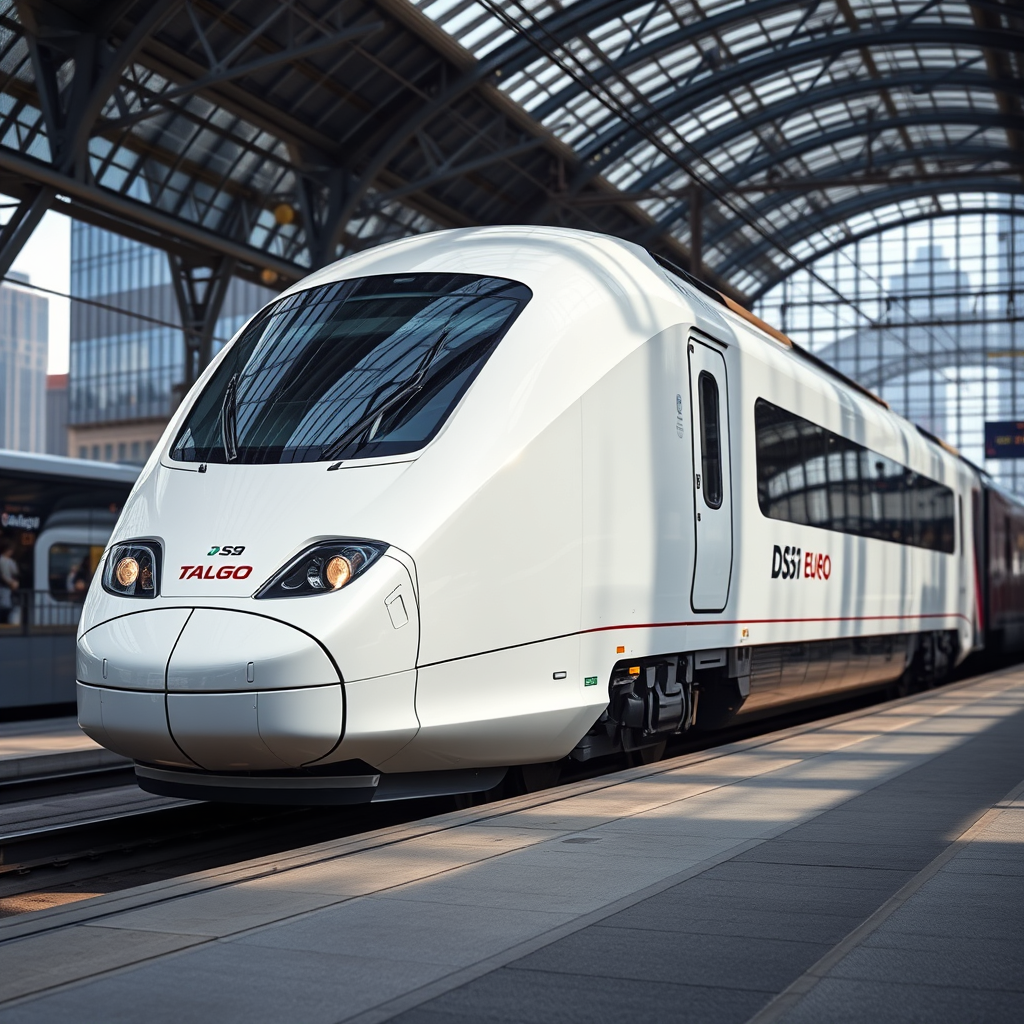
This article delves into the significant fleet modernization undertaken by the Danish State Railways (DSB), focusing specifically on the delivery of the first EuroCity (EC) trainsets from Talgo, a Spanish rolling stock manufacturer. The introduction of these new trains represents a pivotal step in DSB’s ambitious plan to replace its aging diesel fleet with modern, electric, and more environmentally sustainable alternatives. This modernization is not solely about acquiring new rolling stock; it encompasses a broader strategic shift towards enhancing operational efficiency, improving passenger experience, and aligning with Denmark’s environmental goals. The subsequent sections will examine the details of this acquisition, its implications for DSB’s operations, the broader context of DSB’s modernization efforts, and the long-term benefits this initiative promises for the Danish railway network.
The Talgo EuroCity Delivery: A Milestone in Modernization
The arrival of the first Talgo EuroCity control car marks a substantial milestone in DSB’s comprehensive fleet renewal program. This initial delivery, part of a larger order encompassing eight control cars, additional passenger cars, and guide wagons, signifies a significant investment in enhancing international rail connectivity. The selection of Talgo, a renowned manufacturer known for its lightweight and efficient high-speed trains, underscores DSB’s commitment to utilizing cutting-edge technology. The planned introduction of these trains onto routes connecting Copenhagen and Aarhus to Hamburg, Germany, highlights their intended role in facilitating efficient and comfortable cross-border travel. The experience of other operators, such as Deutsche Bahn (DB), who already utilize Talgo’s EuroCity model, provides valuable insights and operational advantages for DSB.
DSB’s Broader Modernization Strategy
The Talgo order is just one component of DSB’s larger strategic initiative to modernize its entire fleet. This multifaceted strategy also includes substantial orders for electric locomotives from Siemens (42 units) and electric multiple units (EMUs) from Alstom (100 IC5 trainsets). This comprehensive approach demonstrates DSB’s commitment to a holistic transformation, not only focusing on replacing outdated rolling stock but also on improving overall efficiency and sustainability across its network. The integration of these diverse rolling stock types requires careful planning and coordination to ensure seamless operation and optimal resource allocation across different routes and services.
Environmental Sustainability and Operational Efficiency
The shift towards electric trains is a central element of DSB’s environmental commitment. Replacing the aging diesel fleet with modern electric locomotives and EMUs significantly reduces greenhouse gas emissions, contributing to Denmark’s broader sustainability goals. The enhanced efficiency of the new rolling stock, including the lightweight Talgo design, further contributes to operational cost savings and reduced energy consumption. This transition aligns with DSB’s commitment to environmentally responsible operations and its role in providing sustainable transportation solutions for the Danish public.
International Collaboration and Technological Advancement
DSB’s strategic partnership with Talgo and other international rolling stock manufacturers underscores the importance of international collaboration in the railway industry. Leveraging the experience and technological expertise of leading manufacturers like Talgo and Siemens enables DSB to benefit from proven designs and technologies, potentially reducing development risks and accelerating the modernization process. The adoption of advanced technologies incorporated in the new trainsets will contribute to improved safety, reliability, and passenger comfort, resulting in a superior travel experience. The interoperability of these new trains with the networks of neighboring countries, like Germany, further enhances international connectivity and facilitates seamless cross-border travel.
Conclusions
The delivery of the first Talgo EuroCity trainset represents a significant milestone in DSB’s comprehensive modernization program. This initiative, encompassing the acquisition of new electric locomotives from Siemens and EMUs from Alstom, signals a strategic shift towards a more sustainable and efficient railway network. The emphasis on electric traction significantly reduces DSB’s environmental impact, aligning with national sustainability goals. The choice of Talgo, a leading manufacturer with a proven track record, combined with the experience of other operators such as Deutsche Bahn, ensures the integration of cutting-edge technology and operational best practices. This modernization is not merely about replacing old trains; it is about enhancing operational efficiency, improving passenger comfort, and strengthening Denmark’s position in the European high-speed rail network. The long-term benefits include reduced operational costs, decreased environmental footprint, and a vastly improved passenger experience, solidifying DSB’s position as a modern and forward-thinking railway operator. The success of this ambitious program will contribute significantly to the future of sustainable rail transportation in Denmark and beyond, showcasing a model for other railway operators seeking to modernize their fleets while meeting sustainability objectives. The ongoing collaboration with international partners further emphasizes the importance of global cooperation in driving innovation and efficiency within the rail industry. This strategic approach positions DSB for continued growth and success in a dynamic and evolving transportation landscape.
RELATED POSTS

June 4, 2019 12:43 pm
Germany's RMV just invested €500 million in 27 hydrogen fuel...

December 13, 2017 9:52 am
Bombardier Transportation, together with the Qtectic consortium, is successfully delivering...

October 4, 2024 10:32 am
Siemens Mobility is set to establish its first high-speed rail...
July 24, 2025 8:33 pm
SNCB selects CAF for new EMU and BEMU trains, modernizing...

April 20, 2013 11:29 am
Germany-based braking system manufacturer Knorr-Bremse has opened a new €40m...

September 7, 2025 6:36 am
HS2's Colne Valley Western Slopes project restores 127 hectares of...