
Zurich S-Bahn: Billions for New Double-Decker Trains
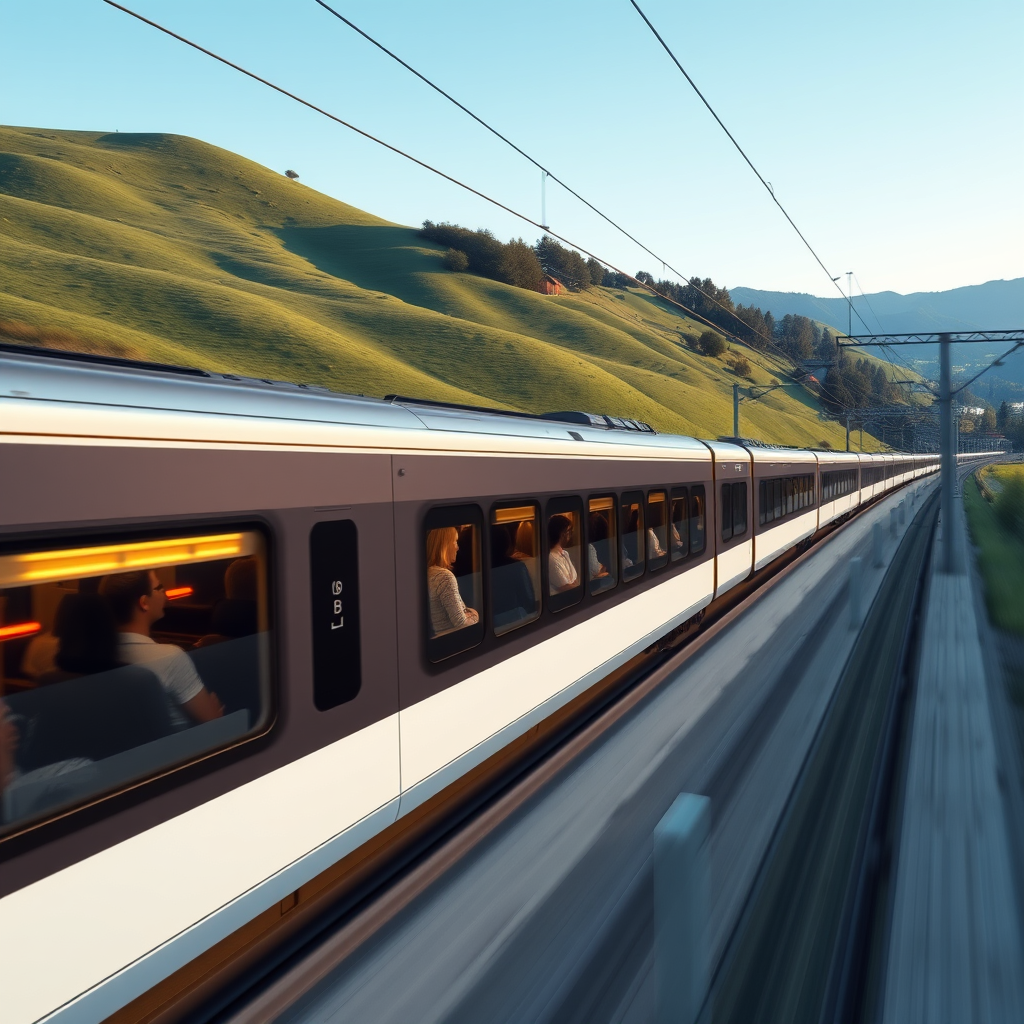
The Zurich S-Bahn Modernization: A Multi-Billion Euro Investment in Rolling Stock
The Swiss Federal Railways (SBB CFF FFS) is undertaking a significant modernization of its Zurich S-Bahn (Zurich suburban rail network), a project representing a substantial investment in new rolling stock. This initiative aims to replace the aging first-generation double-decker trains currently serving the network, many of which are nearing the end of their operational lifespan after almost four decades of service. The tender released by SBB calls for the procurement of 116 new double-decker electric multiple units (EMUs), with an option for an additional 84 units, representing a multi-billion euro commitment. This ambitious undertaking will not only enhance the capacity and efficiency of the Zurich S-Bahn but also serve lines in western Switzerland, demonstrating a comprehensive approach to fleet modernization across the SBB network. The project underscores SBB’s commitment to providing modern, efficient, and comfortable passenger transportation, in line with growing ridership demands and the need to meet future infrastructure expansions.
Addressing Capacity and Ageing Infrastructure
The current fleet of DPZ and HVZ-D trains, introduced in the 1990s, are no longer sufficient to meet the growing passenger demand on the Zurich S-Bahn. Their age also presents increasing maintenance challenges and contributes to higher operational costs. The proposed replacement trains will significantly increase capacity, offering 500 seats per train – a 155-seat improvement over the existing rolling stock. The planned 150-meter length, a 50-meter increase, is a crucial factor in achieving this heightened capacity. This expansion is vital to accommodate the projected growth in ridership within the Zurich metropolitan area and beyond, ensuring a smooth and reliable commuter experience.
Technological Advancements and Passenger Comfort
Beyond increased capacity, the tender specifications emphasize enhanced passenger comfort and technological improvements. The new EMUs will be equipped with power sockets in both first and second-class carriages, catering to the increasing reliance on mobile devices and laptops. Multifunctional areas designed for bicycle storage, prams, and luggage will improve the overall passenger experience, particularly for commuters carrying larger items. The inclusion of these features signifies a forward-looking approach to passenger needs and reflects a commitment to making rail travel more convenient and accessible. Furthermore, a top speed of 160 km/h will allow for faster and more efficient services across the network.
Strategic Expansion and Network Integration
The procurement of these new trains is not limited to the Zurich S-Bahn. The tender includes the allocation of 21 units to serve the RER Vaud (Regional Express Network Vaud) and RE33 Martigny-Annemasse lines in western Switzerland. This strategic allocation highlights the interconnectedness of the SBB network and its commitment to consistent service improvements across various regions. The inclusion of an option for an additional 84 units aligns with the Swiss government’s planned 2035 infrastructure expansion phase, demonstrating long-term vision and strategic planning for future transportation needs.
Conclusion: A Vision for the Future of Swiss Rail
The SBB’s tender for 116 new double-decker trains, with an option for 84 more, represents a substantial investment in the future of Swiss rail. This multi-billion euro project signifies a commitment to modernizing the Zurich S-Bahn and enhancing service across the broader Swiss network. The replacement of the aging DPZ and HVZ-D trains addresses critical capacity constraints and improves operational efficiency. The focus on increased passenger comfort, with features like power sockets and multifunctional areas, reflects a commitment to improving the overall travel experience. The integration of the new rolling stock into various lines, including those in western Switzerland, demonstrates a strategic approach to network optimization. The inclusion of an option for additional trains in anticipation of the 2035 expansion phase underscores SBB’s forward-thinking approach and proactive planning. This comprehensive modernization project will not only enhance the daily commutes of millions of passengers but also contribute to the long-term sustainability and efficiency of the Swiss railway system, reinforcing Switzerland’s position as a global leader in efficient and reliable public transportation.
RELATED POSTS
December 11, 2025 10:42 am
The South Wales Metro project energizes the Rhymney line, a...

September 3, 2023 12:06 pm
The Evolving Landscape of Post-Brexit UK Border Controls: A Deep...

April 27, 2025 8:59 pm
Prioritizing Railway Safety: Adif’s €30 Million Investment in Spain’s Rail...

October 1, 2025 4:54 pm
Essential **Transpennine Route Upgrade** work begins October 6th, impacting services...
October 8, 2020 4:28 am
This article explores the significant role of high-pressure safety doors...
October 23, 2022 11:57 am
Electrification of the Levenmouth Rail Link: A Case Study in...