
Kenya’s SGR Expands: New Trains, Boosted Capacity
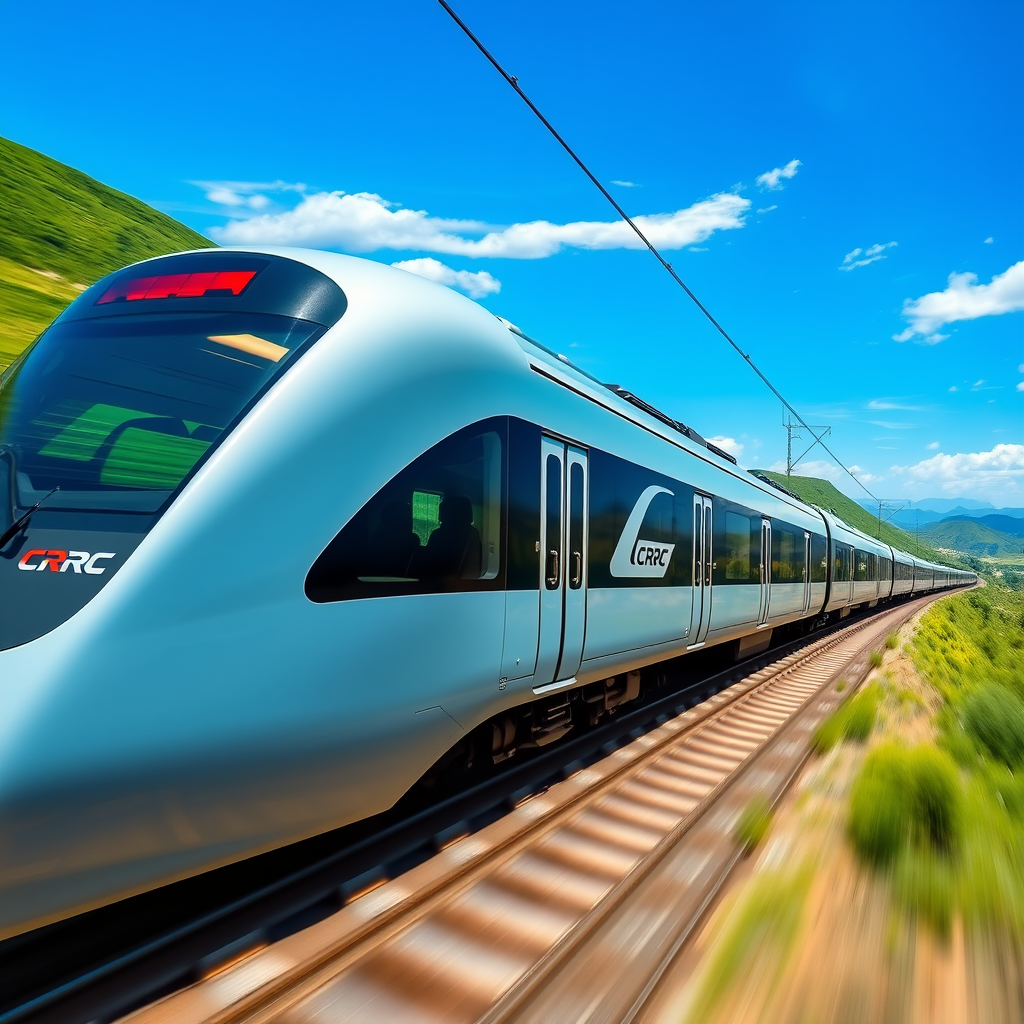
Introduction: This article delves into the recent expansion of Kenya’s Standard Gauge Railway (SGR) network, focusing on the delivery of new passenger rolling stock by CRRC (China Railway Rolling Stock Corporation). The Mombasa-Nairobi SGR, a flagship project of China’s Belt and Road Initiative (BRI), has undergone significant development since its inauguration in 2017. This expansion addresses the growing need for efficient passenger transport between Kenya’s capital and its primary port city. The article will explore the implications of this new rolling stock, the ongoing maintenance and operational strategies, and the broader context of infrastructure development in Kenya within the framework of the BRI. We will examine the technological advancements incorporated into the new trains and their impact on passenger experience and overall railway efficiency. Furthermore, the discussion will touch upon the historical context of railway infrastructure in Kenya and the significant upgrade represented by the SGR.
The Mombasa-Nairobi SGR Expansion: A Boost to Passenger Capacity
The delivery of 20 additional passenger trains by CRRC represents a substantial increase in the SGR’s passenger-carrying capacity. This shipment adds to the 41 trains initially delivered in 2017, bringing the total to over 60 units. This expansion directly addresses the growing demand for efficient and comfortable rail travel between Mombasa and Nairobi. The new rolling stock includes a mix of first-class, second-class, business-class carriages, dining cars, and power generation cars, signifying a commitment to providing a diverse range of passenger services. The increased capacity will not only alleviate overcrowding but also improve the overall travel experience for commuters.
Technological Advancements and Operational Efficiency
The SGR project isn’t simply about increased capacity; it embodies a significant leap in railway technology. The new rolling stock likely incorporates advanced features, potentially including improved energy efficiency, enhanced safety systems, and more comfortable passenger amenities. While specific details on the technological advancements in these new trains remain limited, it is reasonable to assume incorporation of modern signaling systems and train control technologies that improve safety and punctuality. This focus on technological upgrades reflects a commitment to providing modern and efficient rail transport infrastructure in Kenya. The establishment of a CRRC maintenance and repair shop in Kenya further ensures the long-term operational efficiency of the SGR. This local maintenance capability reduces reliance on external support and contributes to the overall sustainability of the railway system.
Freight Capacity and the Broader Economic Impact
The SGR’s expansion is not limited to passenger transport. In March 2024, an additional 230 freight rail wagons were delivered, underscoring the importance of the SGR as a vital component of Kenya’s logistical infrastructure. The improved freight capacity will significantly boost the efficiency of goods transportation, impacting various sectors of the Kenyan economy. Reducing transportation costs and time will be especially beneficial for businesses and consumers, boosting competitiveness and facilitating economic growth. The SGR’s integration with Mombasa port further strengthens Kenya’s position as a regional trade hub.
The SGR in Historical Context and Future Prospects
The SGR represents a significant upgrade from Kenya’s previous narrow-gauge railway system, which had been operational since 1896. The old system, while historically significant, suffered from inefficiencies and limitations that hampered economic development. The SGR, with its superior speed, capacity, and technological capabilities, provides a modern and efficient transportation backbone for the country. The completion and continued upgrading of the SGR project showcases Kenya’s commitment to modernizing its infrastructure and underscores the significance of international collaborations in large-scale infrastructure development projects. Future prospects for the SGR include potential expansion to other regions of Kenya, further integrating the national transport network and contributing to national economic growth. The seamless integration of the freight and passenger services within the SGR system is paramount for optimizing its economic impact. Continued investment in maintenance, training, and technological advancements is crucial to ensure the SGR’s long-term success and its contribution to Kenya’s economic development.
Conclusions: The delivery of new passenger rolling stock to Kenya’s Mombasa-Nairobi Standard Gauge Railway signifies a considerable enhancement to the country’s transportation infrastructure. The addition of 20 new trains by CRRC, alongside the previous 41 units and 230 freight wagons delivered earlier this year, dramatically increases both passenger and freight capacity. This expansion addresses a significant transportation need, improving connectivity between Kenya’s capital and its main port. The project underscores the success of the Belt and Road Initiative (BRI) in facilitating large-scale infrastructure developments in participating countries. Beyond sheer capacity increases, the new rolling stock likely incorporates advanced technologies enhancing efficiency, safety, and passenger comfort. The establishment of a local CRRC maintenance facility ensures the long-term sustainability of the SGR. The historical context of Kenya’s railway network highlights the SGR’s transformative impact, replacing an outdated system with a modern, efficient alternative that significantly benefits the national economy. The continued development and integration of the SGR network, including potential future expansions, holds the promise of further economic growth and improved connectivity within Kenya. The success of this project showcases the vital role of strategic partnerships and international cooperation in achieving national infrastructure goals, leading to significant improvements in transportation, trade, and overall economic development. The integration of advanced technologies and local maintenance capabilities ensures the long-term operational efficiency and sustainability of this crucial national asset. The SGR’s success should serve as a model for future infrastructure projects in developing nations.
RELATED POSTS

August 18, 2010 10:36 am
Kenya Railways (KRC) could issue bonds to raise funds for...

March 6, 2025 2:24 am
The Shifting Sands of the European M&A Legal Landscape: A...

February 22, 2020 11:03 pm
This article delves into the significant infrastructure development underway in...

March 30, 2025 2:11 am
This article examines the modernization of the Cascais Line’s railway...

RTI Railtrans enters the Romanian **rail freight** market by acquiring...
May 6, 2022 7:28 am
Amtrak’s Commitment to Sustainable Rail Transportation: A Technological and Strategic...