
Wabtec’s $405M Locomotive Deal: Transforming Kazakhstan’s Rail
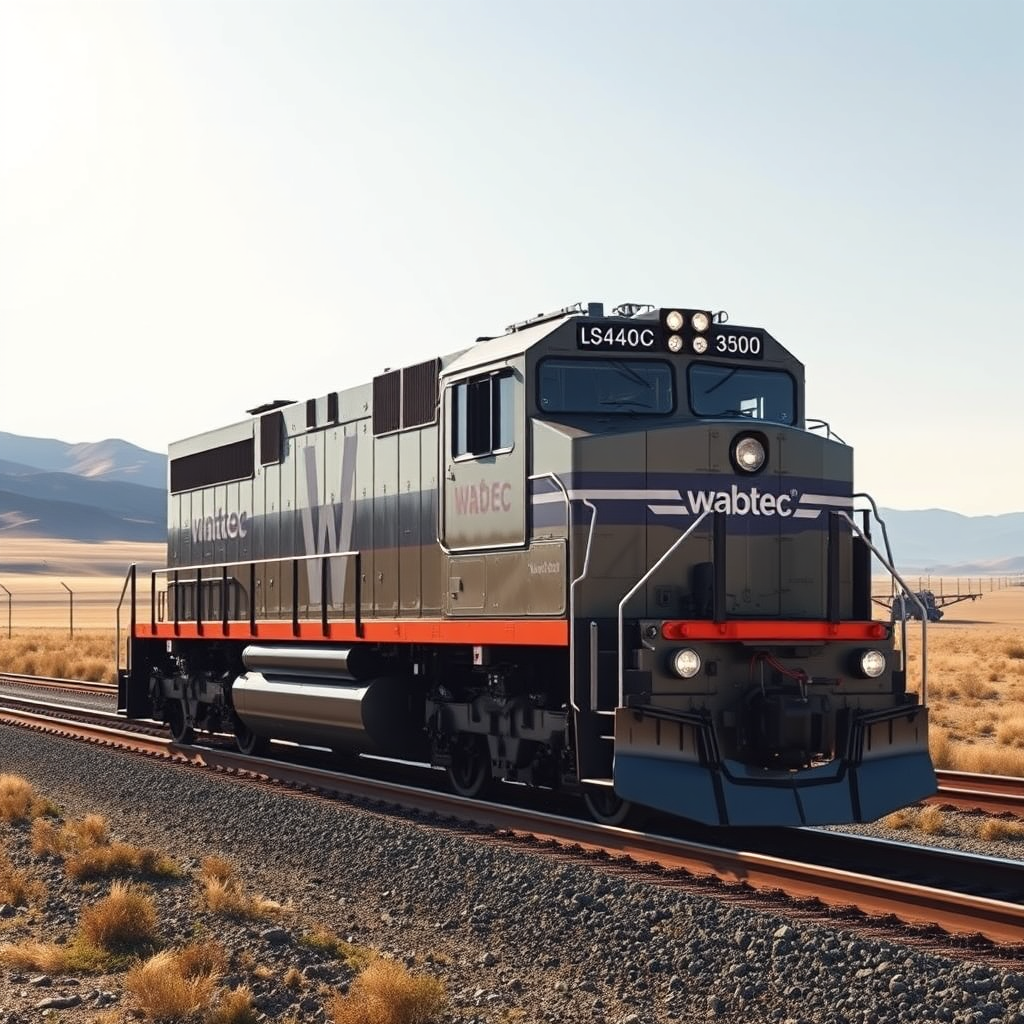
This article analyzes a significant contract awarded to Wabtec Corporation for the supply of Evolution Series ES44ACi locomotives to Kazakhstan Temir Zholy (KTZ), Kazakhstan’s national railway company. The $405 million deal represents a substantial investment in modernizing KTZ’s aging locomotive fleet and underscores the growing importance of rail transport in the region, particularly in facilitating trade along the Trans-Caspian International Transport Route (TCITR). The deal’s implications extend beyond simple fleet renewal; it highlights the increasing demand for robust, efficient, and cost-effective locomotives capable of operating in challenging geographical and climatic conditions. We will explore the technological specifications of the locomotives, the strategic importance of the contract for both Wabtec and KTZ, the economic impact on Kazakhstan, and the broader context of railway modernization in Central Asia. The role of local manufacturing in Kazakhstan and the wider environmental implications will also be considered.
The Evolution Series ES44ACi Locomotive: A Technological Overview
The heart of the deal lies in the technological capabilities of the Evolution Series ES44ACi locomotives. These locomotives boast a powerful 12-cylinder, 4,500-horsepower engine, designed for heavy-haul operations. This significant power output, combined with optimized fuel efficiency, results in lower lifecycle costs – a key factor in the decision-making process for KTZ. Furthermore, these locomotives are engineered to withstand the harsh operating conditions prevalent in Kazakhstan, including extreme temperatures and challenging mountainous terrain. Extended maintenance intervals, compared to KTZ’s existing fleet, promise reduced downtime and increased operational efficiency, contributing to significant cost savings over the long term. This superior performance is a direct result of advanced engineering and the use of high-quality components.
Strategic Significance and Economic Impact
The contract holds substantial strategic value for both Wabtec and KTZ. For Wabtec, it secures a significant market share in a key region, showcasing the company’s expertise in supplying reliable and high-performing locomotives for demanding environments. The contract also leverages Wabtec’s existing manufacturing facility in Astana, the Lokomotiv Kurastyru Zauyty plant, providing employment for over 700 individuals and contributing significantly to the Kazakhstani economy. For KTZ, the deal represents a crucial step in modernizing its infrastructure, enhancing its operational efficiency, and supporting the growth of rail freight transport. This modernization allows KTZ to better meet the increasing demands along vital trade routes, including the TCITR which connects Asia and Europe.
Local Manufacturing and Workforce Development
The decision to manufacture the locomotives at Wabtec’s Astana facility is a key element of the project. This highlights a commitment to local manufacturing and workforce development. The plant’s existing capacity and expertise are utilized to build the locomotives, contributing directly to Kazakhstan’s economic growth. This approach fosters technology transfer and strengthens the local skills base, creating a sustainable long-term benefit for the Kazakhstani economy. The employment opportunities generated by the project significantly impact the Astana region and contribute to overall national employment.
Modernization and the Future of Rail in Central Asia
This deal provides insight into the broader trend of railway modernization in Central Asia. Countries in the region are increasingly investing in infrastructure upgrades to facilitate trade and economic development. KTZ’s investment in modern locomotives signals a commitment to improving efficiency, reliability, and competitiveness within the global transportation landscape. The updated locomotive fleet contributes to a more efficient and reliable rail network, supporting the burgeoning trade along the TCITR. This modernization strategy promotes economic growth and strengthens Kazakhstan’s position as a vital link in the Eurasian transport corridor.
Conclusions
The $405 million contract between Wabtec and KTZ for the supply of Evolution Series ES44ACi locomotives represents a significant development in the modernization of Kazakhstan’s rail infrastructure. The technologically advanced locomotives, capable of handling heavy-haul operations in challenging terrains and weather conditions, will significantly enhance KTZ’s operational efficiency and capacity. The strategic importance of the contract extends beyond the immediate benefits of fleet renewal. The emphasis on local manufacturing at Wabtec’s Astana facility highlights a commitment to sustainable economic development in Kazakhstan, creating employment and fostering technological expertise. The project’s alignment with the development of the Trans-Caspian International Transport Route underlines Kazakhstan’s role as a crucial hub in Eurasian trade. In conclusion, this deal serves as a case study in strategic infrastructure investment, showcasing the synergy between technological advancement, economic development, and regional cooperation in the global rail industry. The success of this project could serve as a model for other countries in the region seeking to modernize their rail networks and enhance their participation in international trade. The enhanced efficiency, reliability and cost savings promised by the new locomotives will be key factors in contributing to long-term economic prosperity in Kazakhstan and increased connectivity along vital trade routes. The environmental impact, although not explicitly addressed in the initial information, warrants further investigation, particularly concerning fuel efficiency and potential future opportunities for the adoption of greener technologies within the KTZ fleet.
RELATED POSTS

September 27, 2019 5:24 am
High-Speed Rail Development in Indonesia: The Jakarta-Surabaya Corridor This article...
October 2, 2017 7:27 pm
Freight car contracts are evolving! Learn how these crucial...

October 9, 2025 10:54 am
Wascosa, a leading **freight wagon** fleet management company, operates a...

October 18, 2024 7:31 am
This segment includes six rail stations and approximately three miles...
September 25, 2023 9:53 pm
This article explores the recent expansion of Akiem’s (a European...
March 3, 2025 10:24 pm
The Feasibility of a New Rail Line Between Carterton and...