
AI Smart Railways: HKUST & MTR’s Award-Winning Innovation
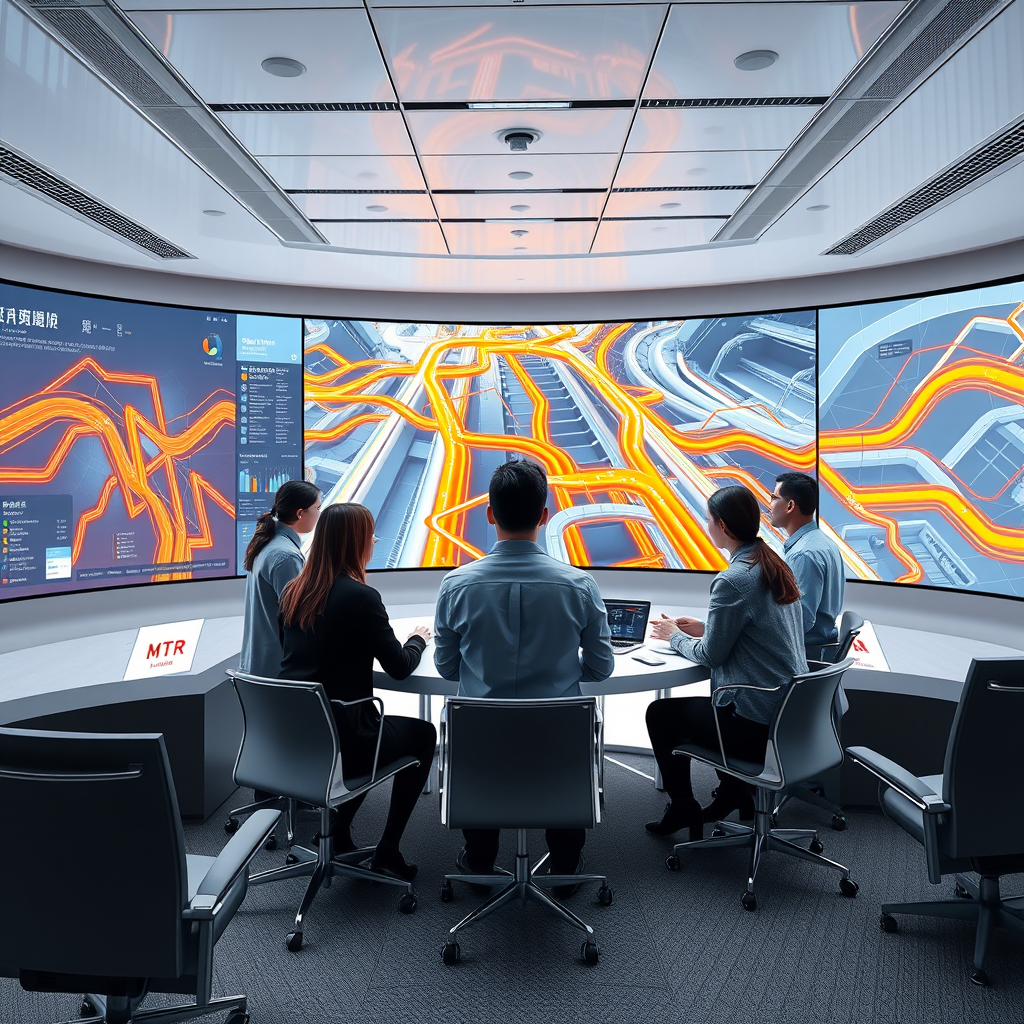
This article explores the significant advancements in smart railway technology showcased by a collaborative project between the Hong Kong University of Science and Technology (HKUST) and the MTR Corporation (MTR), a leading railway operator in Hong Kong. The project, focused on leveraging Artificial Intelligence (AI) and big data analytics to optimize traffic management within the MTR system, received multiple prestigious awards at the Hong Kong ICT Awards 2024. This success highlights the growing importance of integrating sophisticated technologies to improve the efficiency, safety, and passenger experience within modern railway systems. The application of AI and big data extends beyond simple data analysis; it allows for predictive modeling and proactive intervention, enabling railway operators to anticipate and address potential issues before they impact service delivery. This proactive approach stands in contrast to traditional reactive methods, leading to substantial improvements in overall operational effectiveness. The following sections delve into the specifics of the project, its technological underpinnings, and its implications for the future of smart railways globally.
AI-Powered Passenger Flow Prediction
The core of the HKUST-MTR project is a dynamic simulation digital twin model. This sophisticated model utilizes real-time operational data collected from various sources within the MTR network, including passenger counters, ticketing systems, and other public transport modes. By integrating this diverse data, the model builds a comprehensive understanding of passenger flows across the entire system. This allows for accurate predictions of potential congestion points at interchange stations and other critical areas during peak hours or special events. The use of AI algorithms enables the model to learn from historical patterns and adapt to real-time changes in passenger behaviour, enhancing predictive accuracy. The model’s capacity to anticipate and adapt to fluctuating demands is a key innovation, allowing the MTR to respond effectively to evolving passenger needs.
Proactive Crowd Management and Operational Efficiency
The predictive capabilities of the digital twin model translate directly into proactive crowd management strategies. By anticipating potential congestion, the MTR can implement targeted interventions to mitigate overcrowding and ensure a smoother passenger journey. These interventions can include strategic deployment of additional staff at key interchange stations, the promotion of alternative routes via digital signage and mobile applications, and even adjustments to train schedules to better match passenger demand. This proactive approach significantly improves operational efficiency by preventing delays, reducing passenger frustration, and optimizing resource allocation. The ability to anticipate and address potential disruptions before they materialize is a major step towards a more responsive and resilient railway system.
Expanding the Application of the Digital Twin Model
The successful implementation of the digital twin model in its initial phase opens up exciting avenues for future expansion. Current research focuses on extending the model’s capabilities to predict passenger flow changes resulting from the introduction of new railway lines or in response to major public events. This predictive power will be vital in managing passenger demand effectively during periods of significant change or increased transit usage. The integration of real-time data feeds from various sources ensures the model remains dynamic and responsive, adapting to unexpected fluctuations in demand and system events. This adaptive nature is crucial for maintaining optimal performance in a constantly evolving transportation environment.
Collaboration and the Future of Smart Railways
The success of the HKUST-MTR project highlights the importance of collaborative partnerships between academia and industry in driving innovation within the railway sector. The HKUST-MTR Joint Laboratory, established in 2022, serves as a model for this type of fruitful collaboration. By combining the research expertise of HKUST with the operational knowledge of MTR, the project has delivered impactful results with significant real-world applications. This collaborative model can be replicated in other regions, fostering the development and implementation of innovative smart railway technologies on a global scale. The project also promotes the development of smart cities, emphasizing integrated transportation solutions that optimize urban mobility and enhance the overall quality of life for citizens. The ongoing commitment to developing more sophisticated solutions signifies a paradigm shift towards a more data-driven, proactive approach to railway management.
Conclusions
In conclusion, the award-winning collaboration between HKUST and MTR showcases a groundbreaking approach to railway management using AI and big data analytics. The development and implementation of a dynamic simulation digital twin model represents a significant advancement in smart railway technology. This model allows for accurate prediction of passenger flows, enabling proactive crowd management strategies and enhancing operational efficiency. The success of this project is not merely limited to its technological achievements; it also underscores the importance of strong collaborations between academia and industry in driving innovation within the transportation sector. The project’s potential extends beyond Hong Kong, providing a replicable model for other railway operators seeking to enhance their services and improve the overall passenger experience. The continued research and development efforts, aimed at expanding the model’s capabilities to handle new railway lines and major events, demonstrate a commitment to creating a truly adaptable and resilient railway system for the future. This proactive, data-driven approach sets a new standard for efficient and passenger-centric railway operations globally, paving the way for smarter, safer, and more sustainable urban transportation networks.
RELATED POSTS

March 30, 2025 2:11 am
This article examines the modernization of the Cascais Line’s railway...

March 2, 2017 6:31 pm
Here's a voiceover-friendly excerpt:"Network Rail completed the Northallerton station platform...

August 14, 2025 6:33 am
New Rail Active Crossing System (RACS) technology enhances safety at...

January 15, 2013 1:17 pm
Australian Rail Track Corporation (ARTC) has completed the A$1bn ($1.05bn)...

June 17, 2025 2:01 pm
RailSense acquires Bance, a century-old British rail brand, boosting UK...
October 3, 2023 8:28 pm
Norfolk Southern’s First Responder Training Center: A Response to East...