
Stadler’s Hybrid Trains: Revolutionizing French Rail
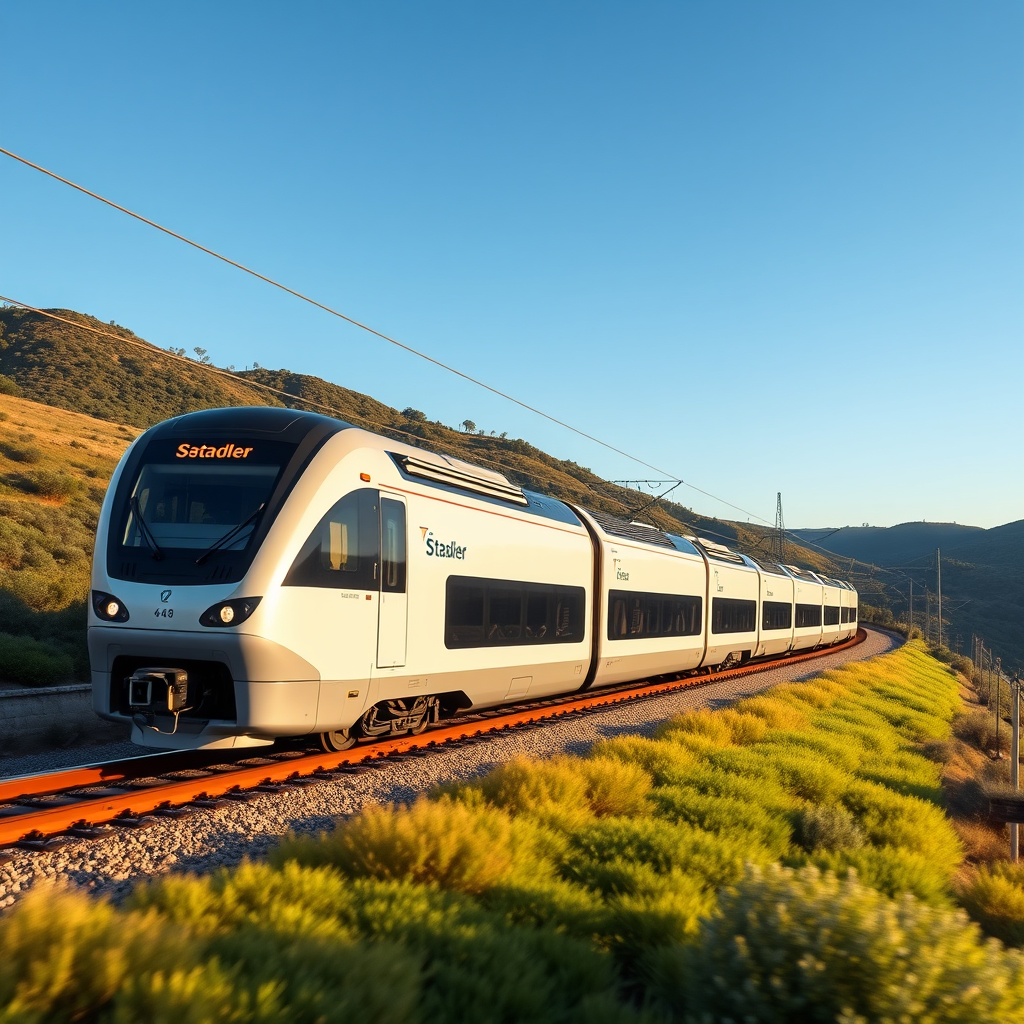
This article examines the recent contract awarded to Stadler by Chemins de fer de Provence (CP) for the construction of eight hybrid multiple units (BMU) for the Nice to Digne-les-Bains railway line in Southern France. This project represents a significant step towards sustainable rail transport in the region, replacing existing diesel-powered rolling stock with environmentally friendly alternatives. The introduction of hybrid technology, combining battery power with a biodiesel engine, demonstrates a commitment to reducing carbon emissions and improving the overall environmental performance of the railway system. This transition highlights the growing importance of sustainable practices within the rail industry, pushing for innovations that reduce reliance on fossil fuels and minimize the environmental impact of railway operations. The analysis will delve into the technical specifications of the new vehicles, the expected operational improvements, and the broader implications for the future of sustainable rail transport in France and beyond. The project’s success will serve as a case study for similar modernization initiatives in other regions and railway networks globally, showcasing the viability and benefits of hybrid technology for improving the efficiency and environmental footprint of existing railway lines. The article will consider the challenges and opportunities associated with implementing such a significant technological upgrade on an existing railway network.
Hybrid Technology for Sustainable Rail Transport
Stadler’s contract with CP underscores a broader trend towards sustainable transportation solutions within the rail sector. The adoption of hybrid technology represents a significant departure from traditional diesel-powered trains, offering a pathway to reduce greenhouse gas emissions and enhance the environmental performance of the railway. The hybrid BMUs will utilize battery technology in conjunction with a biodiesel engine, aiming for a substantial reduction in CO2 emissions – up to 77% compared to their diesel predecessors. This technology combines the benefits of electric traction, offering quieter operation and reduced emissions during periods of low demand, with the range and flexibility of a biodiesel engine for longer journeys and areas with limited charging infrastructure. This blended approach addresses limitations inherent in fully electric trains, making hybrid technology a compelling solution for routes with diverse operational demands and geographical constraints.
Technical Specifications and Operational Improvements
The eight new two-car metre-gauge (1000mm track gauge) BMUs, designated as BEMU Bem 4/8, will each measure 40m in length, 2.5m in width, and 3.9m in height. Their design incorporates a minimum curve radius of 100m, crucial for navigating the existing infrastructure of the 150km Nice-Digne-les-Bains line. Each unit will boast a maximum axle load of 14t, an output power of 800kW, and a maximum speed of 100km/h. The passenger capacity is substantial, with 86 seats and 98 standing places, accommodating a total of 184 passengers per unit. The strategic placement of a charging station in Nice will support the efficient operation of the new hybrid fleet, enabling effective battery recharging between journeys. This infrastructure investment is crucial for maximizing the environmental benefits of the hybrid technology.
Economic and Environmental Impact
The project’s economic impact extends beyond the direct employment generated through the manufacturing process in Bussnang, Switzerland. The modernization of the Nice-Digne-les-Bains line contributes to improved passenger experience and increased ridership, bolstering the regional economy. Furthermore, the reduced environmental impact through decreased CO2 emissions aligns with broader sustainability goals, enhancing the attractiveness of rail travel and contributing to a greener transportation sector. The potential for replication of this model in other regions facing similar challenges makes this project a significant example of sustainable railway development. The long-term cost savings associated with reduced fuel consumption and decreased maintenance requirements should also be noted as important factors in evaluating the overall economic viability of this initiative.
Challenges and Future Implications
While the transition to hybrid technology presents significant advantages, challenges remain. The initial investment in new rolling stock and charging infrastructure requires careful financial planning. Furthermore, the successful integration of the new hybrid fleet requires thorough operational planning and staff training to ensure seamless integration with the existing railway system. The long-term success of this project hinges on continuous monitoring of performance, adaptation to unforeseen issues, and ongoing evaluation of operational efficiency. The experience gained from this initiative will be valuable in informing future investments in sustainable rail technologies and shaping the development of environmentally responsible rail networks worldwide.
Conclusion
The Stadler contract for eight hybrid BMUs for the Chemins de fer de Provence marks a substantial advancement in sustainable rail transport in Southern France. The project represents a significant commitment to reducing carbon emissions and enhancing the environmental performance of the Nice-Digne-les-Bains railway line. The technical specifications of the new vehicles, detailed above, highlight the careful consideration given to operational requirements and passenger comfort. The anticipated 77% reduction in CO2 emissions compared to traditional diesel vehicles demonstrates the potential of hybrid technology to significantly reduce the environmental footprint of rail operations. The economic benefits extend beyond the creation of jobs in Switzerland; improved passenger experience and reduced operational costs contribute to a positive economic impact on the region. However, the successful implementation of this technology requires careful planning, investment, and ongoing monitoring. This project serves as a valuable case study for other railway operators considering similar modernization initiatives. The transition to sustainable transportation is not without its challenges, but the successful integration of these hybrid trains on the Nice-Digne-les-Bains line promises a positive impact on the environment and the regional economy, demonstrating the viability and benefits of hybrid technology for modernizing existing railway networks and reducing reliance on fossil fuels.
RELATED POSTS

August 14, 2017 7:57 am
Unlocking railway efficiency: Modern locomotive design, from diesel-electric to...
May 24, 2017 6:55 pm
In September 2023, the South Central Railway completed the Guntakal-Raichur...

June 9, 2025 7:03 am
Network Rail secures landmark clean energy deal, purchasing 64GWh annually...
September 21, 2019 10:28 am
This article explores the crucial role of enhanced safety measures...
October 1, 2019 2:09 am
The Isle of Wight’s Island Line, a vital transport link...
May 18, 2020 6:01 am
This article examines the €65 million investment by the European...