
Yonge North Subway Extension: GTA’s Rail Future: Infrastructure Boost
Yonge North Subway Extension, a major GTA transit project, expands the subway line, alleviating congestion and boosting economic growth.
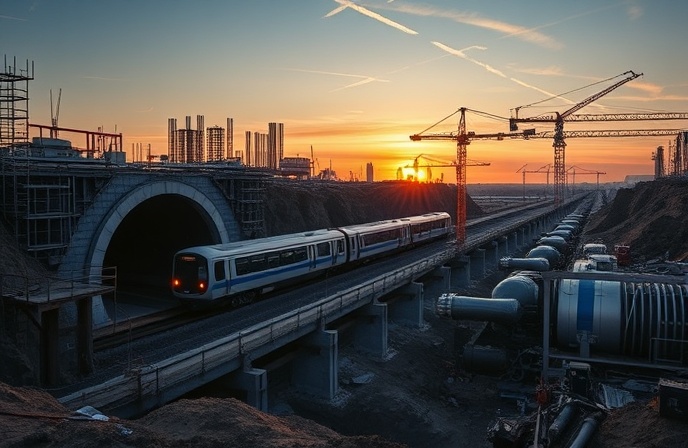
Extending the Reach: Unpacking the Yonge North Subway Extension Project
The Greater Toronto Area (GTA) is poised for a significant infrastructural leap with the much-anticipated Yonge North Subway Extension. This ambitious project, spearheaded by Metrolinx, aims to extend the existing Yonge-University subway line northward. But what exactly is this undertaking? Where is it going? And why is it so crucial? The Yonge North Subway Extension promises to alleviate congestion, provide enhanced transit options for growing communities, and drive economic development across the region. This article delves into the details of this transformative initiative, exploring its key features, challenges, and future impact on the railway landscape.
This article will examine the scope of the project, analyze its planned route and station designs, explore the engineering and construction complexities, and assess its potential benefits for commuters and the broader economy. The primary objective is to provide railway professionals and industry stakeholders with a comprehensive understanding of the Yonge North Subway Extension and its implications for the future of urban transit.
Navigating North: Understanding the Route and Stations of the Yonge North Subway Extension
The proposed Yonge North Subway Extension will add approximately 8 kilometers of new subway track, extending north from Finch Station. The route will wind its way through the densely populated areas of York Region. Seven new stations are planned: Steeles, Clark, High Tech, Langstaff, Bridge, Richmond Hill Centre, and the terminal station at Major Mackenzie Drive. The design of each station will be carefully considered to integrate with the surrounding community while optimizing passenger flow and accessibility. Modern design principles will be employed to enhance accessibility, safety and comfort for passengers, including elevators, escalators, and clearly marked wayfinding systems. These stations will be integral to the success of the extension.
Engineering Marvels: Addressing the Technical Challenges of Construction
The construction of the Yonge North Subway Extension presents a series of complex engineering challenges. These include tunneling through diverse geological formations, managing underground utilities, and mitigating environmental impacts. Tunneling methods, such as the use of Tunnel Boring Machines (TBMs), will be critical in creating the underground infrastructure. The project requires the careful consideration of ground conditions, including soil composition and potential water ingress. Other considerations include ensuring the safety of construction workers, maintaining access for emergency services and minimizing disruption to existing infrastructure. The integration of advanced signaling and control systems will also be key in ensuring safe and efficient operation of the subway line. The Yonge North Subway Extension is set to embrace these technologies.
Boosting Capacity: The Benefits for Commuters and the Economy
The Yonge North Subway Extension promises significant benefits for commuters, including reduced travel times, increased capacity, and improved connectivity. By extending the subway line, the project aims to alleviate congestion on existing bus routes and road networks, particularly the heavily trafficked Yonge Street corridor. This enhanced capacity will facilitate economic growth by providing more efficient access to employment centers, retail destinations, and educational institutions. Increased accessibility will also have a positive impact on local businesses, creating opportunities for growth and development. The project’s positive economic impacts will be measured not just by transit ridership, but by increased land values and investment in areas surrounding the new stations. The Yonge North Subway Extension represents a significant advancement in public transit infrastructure.
Project Timeline and Industry Impact
The project timeline and procurement processes are critical factors for industry participants. Metrolinx, the agency overseeing the project, will engage in rigorous public-private partnerships and other procurement processes to ensure that the Yonge North Subway Extension is delivered efficiently and effectively. The project will generate numerous opportunities for railway professionals, including engineers, construction workers, and equipment manufacturers. The expansion of transit infrastructure can act as an effective catalyst for regional growth, creating jobs and fostering an environment of innovation. The successful completion of the Yonge North Subway Extension is a testament to the region’s commitment to sustainable transportation and urban development.
Conclusion
The Yonge North Subway Extension represents a bold step forward in improving public transit in the Greater Toronto Area. From the intricate route design to the engineering challenges, the project is already shaping the railway industry. By analyzing its station design, construction methods, and anticipated economic impact, the railway sector can expect the benefits of streamlined transit options and the enhanced accessibility that will follow. The project underscores the importance of investing in public transit infrastructure to support sustainable urban development and economic prosperity. Looking ahead, we can anticipate advancements in tunneling technologies, innovative railcar designs, and improved integration of transit with other transportation modes. The ongoing success of the Yonge North Subway Extension will set the stage for even greater infrastructure developments across the region, benefiting commuters and stakeholders across the board.
RELATED POSTS

August 3, 2011 1:37 pm
South Africa has expanded its rapid-rail line, connecting Johannesburg’s main...

December 24, 2016 3:05 pm
**"Florida East Coast Railway expertly delivered a Brightline trainset from...
June 29, 2025 3:33 am
New Australian-made Evo locomotive, a fuel-efficient freight train, launched by...
December 18, 2019 3:29 am
This article examines the significant €680 million contract awarded to...
June 29, 2025 8:33 am
Coventry's new light rail track, a sustainable mobility model, is...
February 22, 2018 10:24 am
Puerto Rico's San Juan Tren Urbano, a Siemens-built railway system,...