
Wigan-Bolton Electrification: UK Rail Infrastructure Upgrade Impact
Wigan-Bolton railway electrified, boosting North West rail. £100M investment delivers cleaner, faster service.
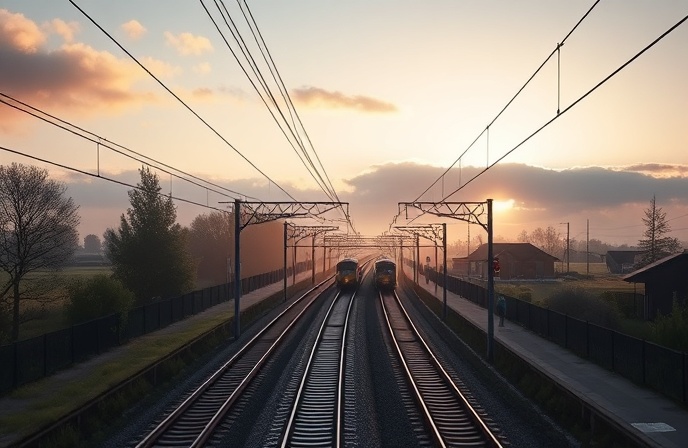
Electric Dreams: Wigan to Bolton Railway Electrification Completed
The hum of electric trains is now echoing across the 6.5-mile stretch of railway between Wigan and Bolton, marking a significant milestone in the modernization of the North West’s rail network. Following a GBP 100 million investment, the line has officially been electrified, with overhead power lines commissioned on July 26th. This project, a multi-year undertaking spearheaded by Network Rail on behalf of the Department for Transport (DfT), signifies a shift toward cleaner, more efficient rail transport for local communities. The successful completion of this electrification scheme, part of the broader Manchester and North West Transformation Programme (MNTP), promises improved air quality, reduced noise pollution, and paves the way for more frequent and reliable services for passengers. This article will delve into the specifics of the electrification project, analyzing the key upgrades, the benefits for passengers, and the wider implications for the UK rail industry.
Transforming the Infrastructure: Key Upgrades
The project’s scope extended beyond simply installing overhead line equipment (OLE). It involved comprehensive upgrades to ensure the safe and efficient operation of electric services. This included platform extensions at various stations to accommodate longer trains, crucial for increasing passenger capacity. Furthermore, significant enhancements were made to signaling and signage, providing updated information to train drivers. Crucially, Network Rail addressed safety concerns by removing barriers at several stations, improving passenger flow and accessibility. The success of these upgrades, completed since work began in 2022, has been facilitated by careful project management, particularly in coordinating the complex interactions between infrastructure modifications, OLE installation, and testing procedures. These efforts are indicative of the complex coordination required to transform existing rail lines into more modern operations.
Delivering Passenger Benefits: A Greener Railway
The switch to electric traction offers numerous benefits for passengers and the environment. Electric trains produce zero direct emissions, significantly improving air quality in towns and cities along the route. The reduction in noise pollution also contributes to a more pleasant experience for residents living near the railway. The project’s completion allows for the introduction of quieter, more reliable electric trains, fostering a more sustainable and enjoyable transport system. Moreover, electrification supports the operation of trains with increased capacity, reducing overcrowding and enhancing passenger comfort. Craig Harrop, Northern’s regional director, noted the project’s contribution to “faster, more reliable and more sustainable journeys,” underlining the shift towards a greener railway for the North.
Strategic Alignment: Part of a Wider Transformation
The GBP 100 million investment is not an isolated project; it is a crucial component of the DfT’s MNTP, a strategic initiative designed to modernize rail infrastructure across the Manchester and North West region. This broader program includes enhancements to other lines and stations, creating a more cohesive and efficient rail network. The Wigan-Bolton electrification also complements upgrades to the nearby Wigan Springs Branch depot, facilitating operational flexibility for train operators and enabling better maintenance and servicing of electric rolling stock. The integrated approach of the MNTP ensures a consistent upgrade plan that is focused on delivering a cohesive, modern transport network to the region.
Conclusion
The successful electrification of the Wigan to Bolton railway marks a significant achievement in the ongoing modernization of the UK rail network. The project’s completion, following years of meticulous planning and execution by Network Rail and its partners, demonstrates the commitment to delivering a more sustainable, efficient, and passenger-friendly railway. The tangible benefits for passengers, including improved air quality, reduced noise, and increased capacity, underscore the positive impact of electrification. The investment highlights the government’s wider strategy of investing in a more modern and reliable rail network. The move will likely provide an example for similar projects across the UK. Looking ahead, the improved infrastructure will facilitate future expansion of services. The introduction of longer trains and increased frequency will be key to enhancing connectivity and driving economic growth throughout the region. Furthermore, the increased capacity made available by the electrification will have to take advantage of advances in signaling and traffic management technology.
RELATED POSTS

December 2, 2010 8:06 am
Indian Railways has unveiled plans for a 70km rail line...

October 24, 2025 8:54 am
TBM Marine initiates excavation for Grand Paris Express Line 15...

February 5, 2023 3:45 am
Modernizing America’s Rail Transit Stations: A Focus on Accessibility and...

August 5, 2025 10:33 pm
ST Engineering wins contracts for Thomson-East Coast Line extension upgrades,...
March 16, 2019 1:45 pm
The Colombo LRT: A $270 million JICA-funded project tackling...

December 1, 2017 2:06 pm
Alstom has delivered the first overhauled BB36000 locomotive out of...