
West Midlands Trains: Public Ownership Transition, UK Rail Strategy
West Midlands Trains to transition to public ownership Feb 1, 2026. DfT confirms OLR takeover, impacting regional rail services.
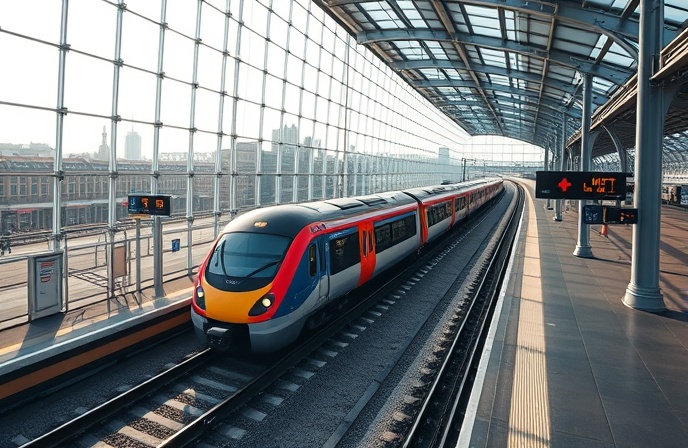
West Midlands Trains Set for Public Ownership Transition
The UK rail industry is poised for a significant shift as the Department for Transport (DfT) confirmed West Midlands Trains (WMT) will transition to public ownership on February 1, 2026. This move, part of the government’s Public Ownership Programme, will see the existing franchise operations managed by the Operator of Last Resort (OLR). This news, announced on July 28, 2025, affects a key regional operator providing services across a broad network, connecting Liverpool to London via the West Midlands. The DfT’s motivation centers on streamlining rail operations and ensuring long-term service provision, potentially ushering in new investment and strategic direction for the operator. This article delves into the implications of this transition, the current state of WMT, and the potential future of the railway lines under public control.
Current Operations and Network Scope
West Midlands Trains, operating under the brands West Midlands Railway and London Northwestern Railway, manages a diverse network that is crucial to regional transport. The routes traverse significant portions of the UK, including major hubs like Birmingham, Wolverhampton, and Northampton. The current franchise agreement has allowed WMT to modernize its fleet and improve performance. The operator’s ability to handle large events is also notable. During the Birmingham 2022 Commonwealth Games, WMT managed the transportation of millions of passengers, a testament to their operational efficiency and capacity. This established network serves as the backbone of passenger transport for numerous commuters and tourists, and the continuity of service is a critical aspect during the transition process.
The Operator of Last Resort and Transition Strategy
The OLR, acting as the caretaker for the network, is responsible for taking over WMT’s operations and managing the transition to public ownership. The DfT has emphasized its commitment to a seamless transfer. This will be achieved by focusing on maintaining train services, timetables, and station operations. The statement released by the DfT specifically mentioned that ticket validities and conditions of carriage would remain unchanged. The OLR’s primary objective is to avoid service disruptions and maintain current operational standards while evaluating long-term infrastructure investments. The transition process highlights the importance of stakeholder coordination and the meticulous planning required for a smooth takeover.
Fleet Modernization and Performance Improvements
Since the commencement of the franchise in 2017, WMT has made significant investments in modernizing its rolling stock. Ian McConnell, managing director of WMT, highlighted the company’s achievements, including the deployment of over 100 new trains across the network and the delivery of over £1 billion investment in new train fleets. This modernization drive resulted in marked improvements in the overall performance and passenger experience on the network. The transition to public ownership provides an opportunity to capitalize on these achievements and explore further enhancements, ensuring the longevity and efficiency of these investments.
Future Branding and Operational Considerations
The DfT has yet to announce the new branding or operational name for the services once under public ownership. This decision will significantly shape the public perception of the railway and its services. Strategic planning is essential to create a new identity for the network, and this process will involve extensive stakeholder consultation, including both industry experts and the commuting public. Further announcements regarding operational changes and strategic direction are expected to be released closer to the transfer date. The announcement of the branding is highly anticipated by the industry, marking a new phase in the history of this railway.
Conclusion
The transition of West Midlands Trains to public ownership on February 1, 2026, marks a significant moment in the UK rail landscape. The DfT’s commitment to a smooth transition, alongside the proven operational achievements of the current management, suggests a future focused on sustained performance. This change reflects broader trends towards greater public sector involvement within the rail industry and the need to streamline operations. Industry observers are watching closely for the announcement of the new branding, future investment plans, and the long-term impacts on service quality, particularly in light of recent fleet investment. The success of this transition could serve as a model for future changes across the UK rail network, influencing the future of rail service and operations.
RELATED POSTS

February 4, 2023 4:19 pm
This article examines the significant progress of Caltrain’s Electrification Project...
April 2, 2023 10:59 am
This article explores the significant upgrade underway at Carstairs Junction,...
January 16, 2017 10:07 pm
"The Armadale Line upgrade is underway! PTA is investing $700...

May 22, 2016 11:23 am
The Republic of Panama has signed a $2.6bn agreement with...

April 20, 2025 9:32 pm
The Trans-Borneo Railway: A Feasibility Study and its Implications The...

October 3, 2023 11:34 am
UIC Leaflet No: 800-10 – Chapter 8 – Technical Specifications...