
West Midlands Railway’s Class 730: A Modern Rail Revolution
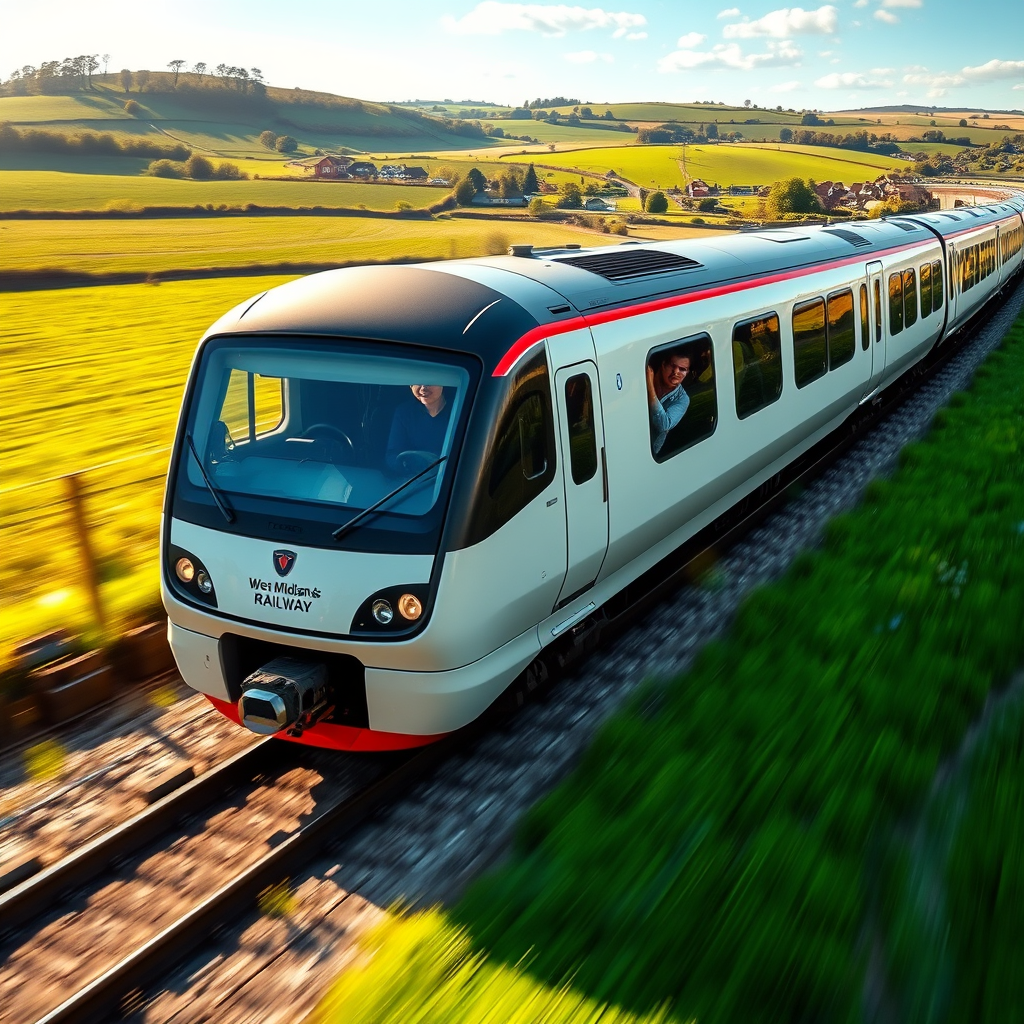
The West Midlands Railway’s Class 730 Electric Train Fleet: A Modernization Effort
This article examines the introduction of the new Class 730 electric multiple units (EMUs) by West Midlands Railway (WMR), a significant step in modernizing the region’s rail network. The £700 million investment represents a substantial commitment to improving passenger experience, increasing capacity, and enhancing the overall efficiency of the rail system. This modernization goes beyond simply replacing older rolling stock; it incorporates elements of improved passenger comfort, increased capacity to meet growing demand, and a commitment to environmental sustainability through the adoption of electric traction. We will explore the specifics of the Class 730 fleet, the impact on existing services, and the broader implications for the future of rail travel in the West Midlands.
The Arrival of the Class 730 EMUs
The initial rollout of the 48 three-carriage Class 730 EMUs marks a significant upgrade for WMR. These trains, manufactured by Alstom, will initially serve the Wolverhampton to Walsall line before expanding to the Cross City Line (Lichfield – Birmingham – Bromsgrove) in Spring 2024. Their increased length compared to the outgoing Class 350 and 323 units allows for a substantial rise in passenger capacity. The “metro-style” interior design prioritizes passenger comfort and spaciousness, enhancing the overall travel experience. This initial deployment serves as a trial run, providing valuable operational data before the full fleet integration.
Capacity Expansion and Network Optimization
The Class 730s are designed to dramatically increase capacity on the busy Wolverhampton to Walsall and Cross City lines. The introduction of these trains will almost double the passenger capacity on these routes, addressing current overcrowding issues and improving the overall efficiency of the rail service. The subsequent introduction of 36 five-carriage Class 730 EMUs at the end of 2024 will further bolster capacity, significantly benefiting commuters and long-distance travelers alike. This phased approach allows for a managed transition, minimizing disruption to the existing timetable and allowing for operational refinement based on early experiences.
Sustainability and Technological Advancements
The adoption of electric trains signifies WMR’s commitment to environmental sustainability. By switching from diesel-powered trains to electric ones, the railway significantly reduces its carbon footprint, contributing to a greener transportation network in the West Midlands. This alignment with broader environmental goals highlights a responsible approach to modernizing the rail system. Furthermore, the introduction of the new trains paves the way for potential future technological integrations, such as advanced signaling systems and improved data collection for operational optimization.
Broader Implications and Future Outlook
The Class 730 introduction represents a key component of a larger investment program aimed at modernizing the West Midlands rail network. This program includes the construction of new stations and the implementation of advanced technologies like “Pay As You Go” ticketing systems. This integrated approach to modernization promises a significant enhancement to the overall passenger experience, contributing to a more attractive and efficient public transportation system. The success of the Class 730 rollout will serve as a benchmark for future infrastructure improvements and rolling stock upgrades across the region.
Conclusion
The unveiling of the West Midlands Railway’s Class 730 electric trains marks a pivotal moment in the region’s railway modernization. The £700 million investment in new rolling stock and infrastructure demonstrates a significant commitment to improving passenger experience and enhancing the efficiency of the railway system. The introduction of these modern, spacious, and environmentally friendly trains will dramatically increase capacity on key routes, alleviating overcrowding and improving the overall travel experience. The phased rollout, starting with the three-carriage units and followed by the five-carriage units, allows for a controlled transition, minimizing disruption and allowing operators to learn from early experiences. The integration of the Class 730s with other modernization projects, such as new station construction and the adoption of “Pay As You Go” technology, underscores a comprehensive approach to enhancing the entire rail network. This initiative not only provides immediate benefits to commuters but also lays the foundation for a more sustainable and technologically advanced rail system in the West Midlands for years to come. The focus on passenger comfort, increased capacity, and environmental sustainability showcases a commitment to providing a modern and efficient rail service for the region. The ongoing investment and the strategic implementation of these upgrades represent a significant step towards a future where rail travel in the West Midlands is not only more efficient and convenient but also more environmentally responsible. This represents a positive shift towards sustainable and efficient public transportation, contributing to the region’s overall economic and social development.
RELATED POSTS
May 10, 2025 10:45 am
This article delves into the significant electrification upgrade planned for...
CSX's Santa Train delivers holiday cheer and essential supplies along...

February 3, 2023 3:02 pm
This article explores the complexities surrounding the launch of the...
June 1, 2021 3:41 pm
The Growing Importance of ESG Factors in the Railway Industry...
September 2, 2022 6:17 pm
Stadler’s TINA Tram: A Case Study in Modern Tramway Technology...
March 6, 2025 12:55 am
Enhanced Safety and Competency in US Rail Operations: Mandatory Certification...