
West Midlands Rail: 30-Year Vision for Growth
The West Midlands Rail Executive’s 30-year plan is revolutionizing rail, boosting connectivity, capacity, and freight. Discover how this ambitious strategy will shape the future of the region’s rail network!
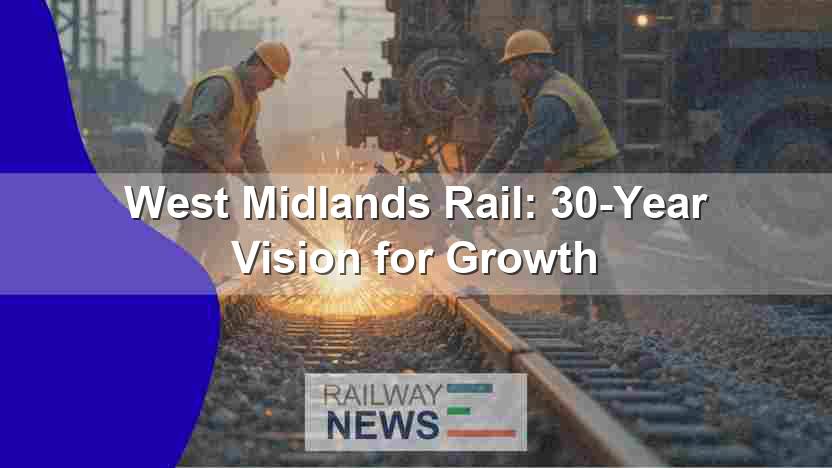
The West Midlands Rail Executive (WMRE) has unveiled a detailed 30-year rail investment strategy designed to revolutionize rail services across the region. This ambitious plan, developed in close collaboration with key stakeholders including Midlands Connect, the Department for Transport (DfT), and the wider rail industry, outlines a multifaceted approach to address current challenges and unlock the region’s future growth potential. The strategy’s core focus lies in enhancing connectivity, increasing capacity, and modernizing infrastructure to better serve the needs of commuters, businesses, and the overall economic development of the West Midlands. This article will delve into the key objectives, planned improvements, and anticipated long-term impacts of this transformative initiative, highlighting the complexities and strategic importance of this long-term investment.
Enhancing Connectivity and Capacity
A central tenet of the WMRE strategy is the significant improvement of cross-Birmingham connectivity. This involves strategically enhancing existing lines and introducing new services to reduce travel times and increase overall accessibility. The plan includes the introduction of new Camp Hill and Walsall-Wolverhampton services, addressing underserved areas and providing much-needed additional capacity. Additionally, the strategy prioritizes the construction of new stations, expanding access to rail transport for a wider population and stimulating growth in previously under-served communities. The implementation of a 6-4-2 rail services plan (minimum of six, four, and two trains per hour at various stations) promises a more reliable and frequent service, dramatically improving passenger experience and efficiency.
Integration with High-Speed Rail (HS2)
The WMRE strategy recognizes the transformative potential of High-Speed 2 (HS2) and proactively plans for its integration into the existing rail network. This includes working closely with HS2 Ltd to identify and address necessary infrastructure upgrades and modifications required to ensure seamless connectivity and maximize the benefits of the high-speed rail system. This forward-thinking approach aims to prevent potential bottlenecks and ensure that HS2 serves as a catalyst for broader regional growth, rather than an isolated high-speed corridor. By proactively anticipating the changes HS2 will bring, the WMRE aims to mitigate potential disruptions and optimize the opportunities presented by this major infrastructure project.
Freight Optimization and Economic Growth
The WMRE strategy extends beyond passenger services, recognizing the crucial role of freight transport in the region’s economic prosperity. The plan prioritizes maximizing the benefits of freight movement by improving infrastructure and optimizing logistics. This includes investments in infrastructure upgrades to support heavier loads and efficient movement, aiming to reduce congestion and enhance the cost-effectiveness of freight rail. By focusing on freight optimization, the WMRE aims to bolster the region’s competitiveness, attract further investment, and create opportunities for economic growth throughout the West Midlands.
Collaboration and Stakeholder Engagement
The success of the WMRE strategy hinges on collaboration and effective stakeholder engagement. The plan was developed in consultation with a wide range of stakeholders, including Midlands Connect, the DfT, the rail industry, local authorities, businesses, and individuals. This inclusive approach ensured that the strategy accurately reflects the needs and aspirations of the entire region, fostering a sense of ownership and buy-in from all parties involved. Continued collaboration will be crucial throughout the implementation phase, ensuring the strategy remains adaptable and responsive to evolving needs and challenges.
Conclusion
The West Midlands Rail Executive’s 30-year rail investment strategy represents a bold and ambitious vision for the future of rail transport in the region. By focusing on enhanced connectivity, increased capacity, seamless integration with HS2, and freight optimization, the strategy aims to transform the rail network into a powerful engine for economic growth and regional development. The strategy’s success rests on continued collaboration among stakeholders, proactive planning, and adaptive implementation. The commitment to a 6-4-2 service frequency, alongside the planned new services and station developments demonstrate a clear commitment to improving passenger experience and accessibility. The proactive engagement with HS2 and the emphasis on freight optimization highlight a detailed understanding of the interconnectedness of rail transport with the broader economic landscape of the West Midlands. The long-term investment outlined in this strategy signals a positive trajectory for the region, promising improved connectivity, economic growth, and a significantly enhanced quality of life for residents and businesses alike. The detailed planning and collaborative approach taken by WMRE offer a valuable example of how a detailed rail strategy can contribute significantly to the sustainable development of a major urban region.

Railway infrastructure, rolling stock and transport technologies specialist focused on global rail industry developments, high-speed rail systems, signaling technologies and freight transportation. Covering railway investments, public transport modernization, rail operations and international mobility projects across Europe, Asia and North America.
RELATED POSTS
September 6, 2026 5:19 am
Hitachi delivered Taiwan's first N700ST high-speed train from Japan in...

September 5, 2026 7:14 pm
HS2 Ltd signed renegotiated civils contracts with EKFB and Align...

September 6, 2026 4:12 am
Alstom delivered the first of 100 new G Class trams...
September 6, 2026 1:17 am
Hitachi Toshiba Supreme Consortium confirmed the first of 12 N700ST...
September 5, 2026 6:17 pm
Universal Signalling won a deal to install its U-Cross system...
September 6, 2026 12:20 pm
Indian Railways ordered a probe after a fire destroyed 2...