
Wales’ £100M Rail Testing Facility: Future Innovations
Wales is building a £100 million rail testing facility! This cutting-edge center will drive innovation and create high-skilled jobs. Discover how!
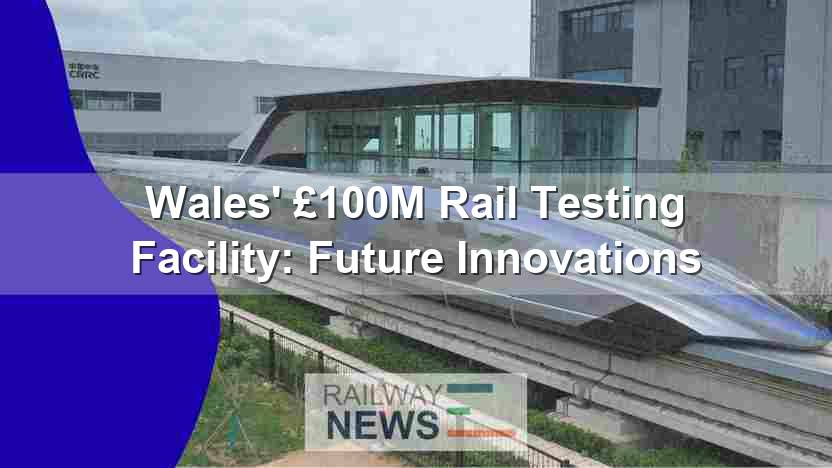
The Welsh Government’s announcement of a planned £100 million rail testing facility in the Neath Valley represents a significant investment in the future of railway technology and infrastructure. This initiative aims to establish a world-leading center for testing next-generation trains, focusing on sustainable and innovative designs. The facility, envisioned to be located on a repurposed opencast mine, will boast extensive track layouts, including 4.5-mile (7.3km) and 2-mile (3.1km) oval circuits capable of accommodating testing at speeds up to 100mph (160kph). This project transcends a simple testing ground; it’s a strategic move to position Wales at the forefront of railway innovation, attracting investment, creating high-skilled jobs, and bolstering the nation’s economic growth. The following sections will delve into the key aspects of this ambitious undertaking, examining its potential impact on the Welsh economy, the technological advancements it will facilitate, and the logistical challenges involved in its development.
The Economic and Social Impact
The construction and operation of the testing facility promise substantial economic benefits for Wales. The £100 million investment will stimulate construction activity and generate numerous jobs throughout the development phase. Beyond construction, the facility will require a skilled workforce for maintenance, operation, and testing activities. This will create high-value employment opportunities, requiring specialized skills in engineering, software development, and railway operations. Moreover, the facility’s presence will attract other railway-related businesses to the region, fostering a cluster of innovation and expertise. The facility’s location in the Neath Valley could be a crucial element in revitalizing the area, addressing regional economic disparities, and fostering sustainable development.
Technological Advancements and Research
The primary focus of the facility will be on testing cutting-edge railway technologies. Hydrogen and battery-powered trains are set to be a key area of focus, aligning with global efforts to decarbonize the transportation sector. Testing will extend to digital signaling systems, exploring advancements in automation and safety. The facility’s large-scale testing environment will enable rigorous evaluation of these systems under various conditions, ensuring their reliability and efficiency before deployment on national networks. The resulting technological advancements will contribute to the wider railway industry, leading to safer, cleaner, and more efficient rail transport solutions globally. This research and development will place Wales at the forefront of international rail technology.
Infrastructure and Logistical Considerations
The project’s success hinges on careful planning and execution. The repurposing of a former opencast mine presents unique logistical challenges. Site preparation will involve extensive groundwork, potentially including remediation of the land and construction of new infrastructure, such as platforms and tunnels. Environmental considerations will be paramount, requiring careful management of potential impacts on local ecosystems and communities. Effective collaboration between the Welsh Government, private sector partners, and local stakeholders will be crucial to ensure that the project proceeds smoothly, mitigating potential environmental concerns and addressing local needs. Securing private sector investment will be essential to make this project a reality.
Collaboration and Stakeholder Engagement
The success of the rail testing facility hinges on strong collaboration amongst various stakeholders. This involves securing private sector investment from rolling stock manufacturers, network operators, and other relevant companies. Engaging local communities is critical to building support for the project and ensuring its positive integration into the surrounding area. Additionally, collaboration with universities and research institutions will facilitate knowledge transfer and create opportunities for training and development within the region. This multi-faceted approach fosters a supportive environment for the project, contributing to its lasting success and maximum impact on the region.
Conclusion
The proposed £100 million rail testing facility in Wales represents a bold vision for the future of railway technology and a significant investment in the Welsh economy. This facility will not only serve as a testing ground for cutting-edge innovations in rolling stock and signaling but will also foster a hub of expertise and attract further investment in the region. The successful implementation of this project requires a multifaceted approach, including securing private sector backing, addressing logistical challenges effectively, engaging with local communities, and fostering strong collaborations amongst all stakeholders. While challenges undoubtedly exist, the potential economic and technological benefits are significant. The facility’s focus on sustainable transport technologies aligns with global trends, placing Wales at the forefront of the railway industry’s transition towards a greener future. The project’s success will not only stimulate economic growth and job creation in Wales but also contribute to advancements in railway technology that will benefit the global rail sector. The meticulous planning and execution needed to bring this ambitious project to fruition will undoubtedly position Wales as a leader in railway innovation for years to come. The future of Welsh rail, and potentially global rail, hangs on the successful implementation of this ambitious project.

Railway infrastructure, rolling stock and transport technologies specialist focused on global rail industry developments, high-speed rail systems, signaling technologies and freight transportation. Covering railway investments, public transport modernization, rail operations and international mobility projects across Europe, Asia and North America.
RELATED POSTS

October 1, 2026 7:09 am
United States regulators confirmed a September 30 deadline for the...

October 4, 2026 5:14 pm
Alstom secured a CA$4.7 billion order from VIA Rail Canada...

October 8, 2026 1:15 pm
Alstom secured a €1bn contract to build 13 automated trains,...

October 1, 2026 12:13 am
Illinois approved $1.5 billion annually for the Northern Illinois Transit...

October 6, 2026 2:14 am
Union Pacific launched export rail shipments with Ferromex to deliver...

October 1, 2026 6:10 am
Amtrak approved a System Expansion Committee on July 30 to...