
Wabtec’s Sustainability Report: Rail’s Green Future
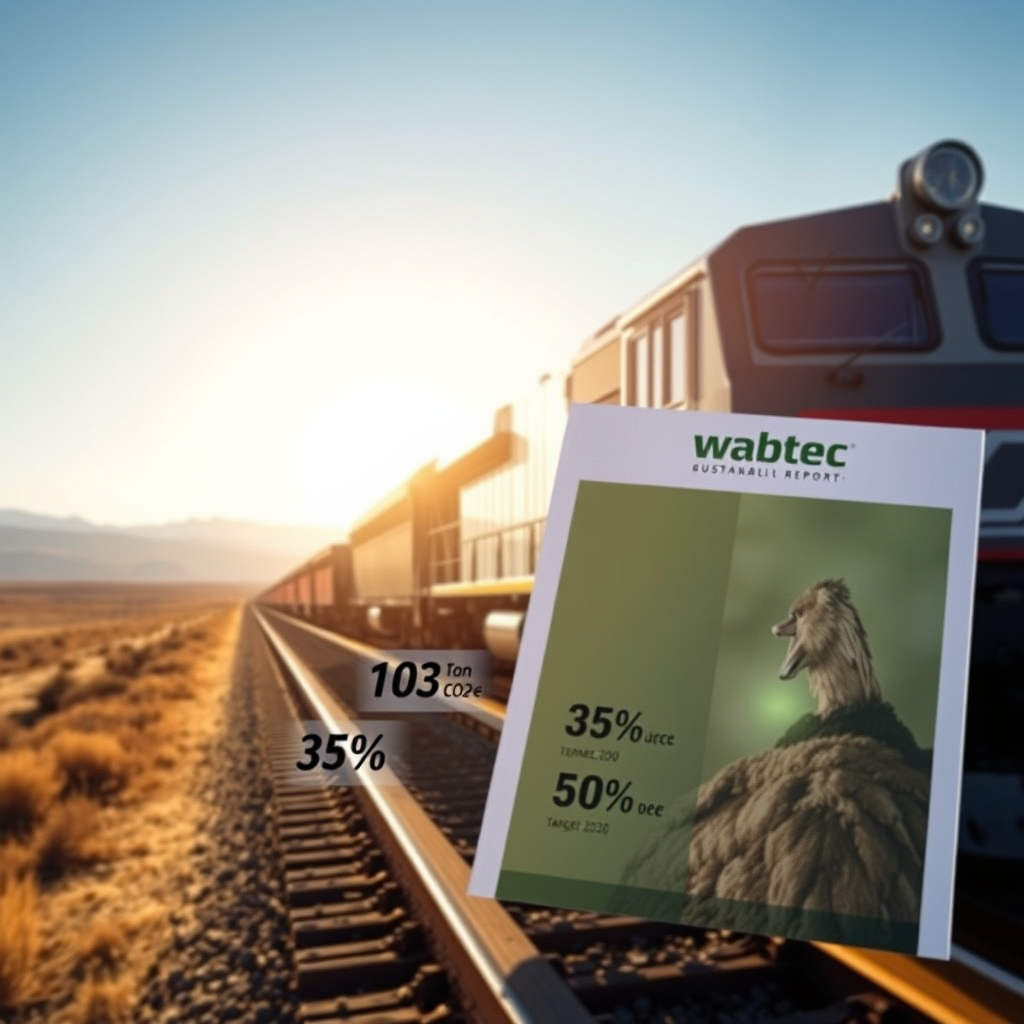
Wabtec’s Sustainability Report: A Deep Dive into Rail Industry Environmental Responsibility
This article analyzes Wabtec’s 2023 Sustainability Report, focusing on its significant disclosure of Scope 3 greenhouse gas (GHG) emissions and its broader commitment to Environmental, Social, and Governance (ESG) goals. The report marks a crucial step for the rail manufacturing industry, highlighting the importance of transparency in addressing the environmental impact of its products throughout their lifecycle. Wabtec’s proactive approach, encompassing ambitious emission reduction targets, water conservation strategies, and workforce diversity initiatives, serves as a case study for other companies seeking to integrate sustainability into their core business operations. We will examine the details of Wabtec’s reported emissions, the implications of their Scope 3 accounting, and the company’s broader strategy for achieving its ambitious sustainability goals. The analysis will further explore the challenges and opportunities associated with decarbonizing the rail industry and the importance of collaborative efforts across the entire supply chain.
Scope 3 Emissions: A Milestone for Transparency
Wabtec’s publication of its Scope 3 emissions (indirect emissions from sources not owned or controlled by the reporting company, but related to its activities) is a significant achievement. The reported 50,000,000 tonnes of CO₂ equivalent (CO₂e) demonstrates the substantial influence Wabtec’s products have on the overall carbon footprint. The majority (48.6 million tonnes) stems from the operational use of its sold products, underscoring the importance of designing more energy-efficient locomotives and rolling stock. This level of transparency is crucial for stakeholders to fully understand the environmental implications of Wabtec’s operations and facilitates informed decision-making. The company’s commitment to developing Scope 3 emission reduction targets for 2024 indicates a proactive approach to addressing this significant portion of their environmental footprint. This requires engaging with customers and other partners throughout the supply chain to collaboratively implement sustainable practices.
Operational Efficiency and GHG Reduction Targets
Wabtec’s report highlights a 35% reduction in its operational GHG footprint (Scope 1 and 2 emissions – direct emissions from owned or controlled sources and indirect emissions from purchased energy) since 2019. This progress demonstrates the efficacy of the company’s internal sustainability initiatives. However, the significantly larger Scope 3 emissions emphasize the need to extend sustainability efforts beyond operational boundaries. The ambitious goal of a 50% reduction in GHG emissions by 2030, encompassing both Scope 1 and 2 emissions, requires continuous improvement in operational efficiency, including the adoption of renewable energy sources and the implementation of more efficient manufacturing processes. The company’s commitment to reduce water consumption in water-scarce regions by 30% further demonstrates a holistic approach to sustainability.
Social Responsibility and Workforce Development
Wabtec’s sustainability report also acknowledges the social dimension of ESG, reporting an 11% increase in female representation in its global workforce, although reaching only 17.5%. This highlights the ongoing need for improved diversity and inclusion initiatives. The provision of over 9,000 training courses to more than 6,100 employees demonstrates a commitment to workforce development and skill enhancement, contributing to a more sustainable and productive workforce. The successful 200th order for their pre-owned rolling stock program, including a large order from Genesee & Wyoming, showcases the company’s commitment to circular economy principles and minimizing the environmental impact of its lifecycle. This program promotes the reuse of existing assets, extending their lifespan and reducing the demand for new production.
Conclusion: A Path Towards Sustainable Rail Transportation
Wabtec’s 2023 Sustainability Report represents a significant contribution to the rail industry’s efforts towards greater transparency and accountability in addressing its environmental footprint. The proactive disclosure of Scope 3 emissions, coupled with ambitious emission reduction targets and social responsibility initiatives, positions Wabtec as a leader in sustainable rail manufacturing. The success of Wabtec’s sustainability strategy hinges on continued collaboration with customers, suppliers, and other stakeholders across the entire value chain. Developing effective Scope 3 targets requires engagement with customers on the operational use of their products, potentially involving collaborative projects to improve energy efficiency and reduce operational emissions. The challenges ahead are substantial, particularly in transitioning to lower-carbon technologies and engaging with a global supply chain. However, Wabtec’s commitment, as exemplified by its report, provides a beacon of hope and a clear roadmap for a more sustainable future for the rail industry. Further initiatives, such as investing in research and development of next-generation, low-emission technologies, will be crucial for achieving long-term sustainability goals. The company’s commitment to transparency and ongoing progress reporting will be vital in holding them accountable for their ambitious targets and driving further positive change within the rail sector.
RELATED POSTS

March 31, 2021 12:46 pm
The development of robust and accurate transport demand models is...
October 1, 2022 1:54 am
This article explores the significant partnership between the UK’s Rail...
August 13, 2025 11:33 am
Austria's Styrian Western Railway electrification project boosts regional connectivity and...

May 24, 2025 10:08 pm
Bradford, UK – May 19th The railway landscape in Bradford...
May 15, 2019 10:51 am
Denver's Eagle P3 Commuter Rail project: a Fluor-led success story...

January 19, 2025 10:21 am
The agreements mark a significant expansion of Siemens Mobility’s involvement...