
Wabtec-GE Merger: Reshaping Rail Technology
The $11 billion Wabtec-GE merger reshaped rail technology. Discover how this industry giant’s combined strengths are driving innovation!
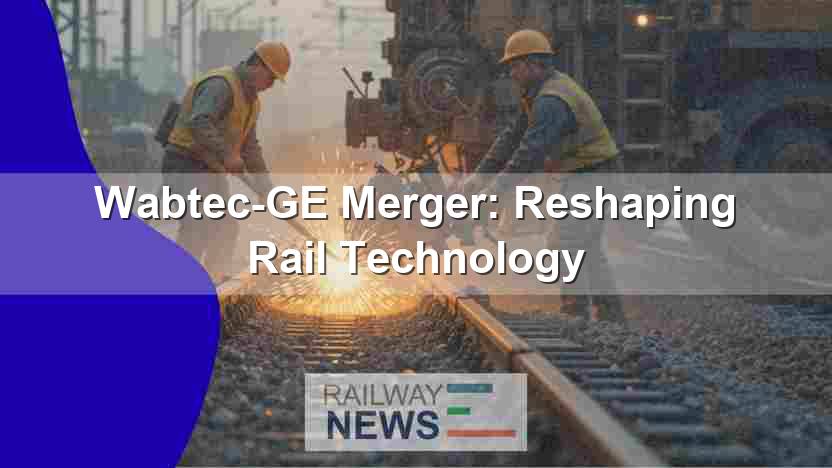
The railway industry is undergoing a period of significant transformation, driven by technological advancements, increasing demand for efficiency, and a global push towards sustainability. This article explores the landmark $11 billion merger between Wabtec Corporation and GE Transportation, a pivotal event that reshaped the global railway landscape. This merger, finalized in February 2019, brought together two industry giants with extensive portfolios in freight and passenger locomotive manufacturing, transit vehicle production, signaling systems, and digital solutions. The resulting entity, a significantly larger and more technologically advanced company, significantly altered the competitive dynamics within the industry, impacting everything from manufacturing processes to the deployment of cutting-edge technologies in railway operations. The following sections will delve into the strategic rationale behind the merger, the operational integration challenges, the resulting market impact, and the future implications for the rail industry as a whole.
Strategic Rationale and Synergies
The merger between Wabtec and GE Transportation was driven by a clear strategic vision: to create a global leader in the rail equipment and services sector. The combined entity aimed to leverage the complementary strengths of both companies, maximizing efficiency and driving innovation. Wabtec, known for its strong presence in freight and transit solutions, gained access to GE Transportation’s extensive portfolio in locomotive technologies and digital services. Conversely, GE Transportation benefited from Wabtec’s robust global network and expertise in manufacturing and aftermarket support. The synergies extended beyond mere product portfolios; the merger also integrated vast talent pools, creating a larger and more experienced workforce with deep expertise in diverse areas of rail technology. This consolidation also aimed to achieve economies of scale in manufacturing, procurement, and research and development (R&D), leading to cost reductions and improved profitability. Moreover, the combined entity possessed a strengthened financial position to invest heavily in innovation and technological advancements. This strategic alignment positioned the merged entity to effectively capture opportunities in a rapidly evolving global railway market.
Integration Challenges and Operational Efficiency
Integrating two large organizations with distinct cultures, technologies, and operational processes presented significant challenges. The merger involved harmonizing diverse manufacturing facilities, supply chains, and information technology (IT) systems. This required substantial investments in IT infrastructure and skilled personnel to manage the complexities of consolidation. A key aspect of successful integration was the alignment of organizational structures and processes. The streamlining of operations, including eliminating redundancies and standardizing manufacturing processes, played a crucial role in achieving cost synergies. Additionally, effectively integrating the combined workforce required careful planning and execution to retain key talent and foster a cohesive company culture. Successfully overcoming these challenges was vital for realizing the full potential of the merger and avoiding disruption to ongoing operations.
Market Impact and Competitive Dynamics
The Wabtec-GE Transportation merger significantly altered the competitive landscape of the global rail industry. The newly formed entity emerged as one of the world’s largest providers of rail equipment, services, and digital solutions. This created a more consolidated market structure, with fewer major players vying for market share. The merger led to increased competition among the remaining large players, prompting them to enhance their offerings and invest further in innovation. The combined entity also benefited from an enhanced market position, enabling greater access to larger contracts and projects, especially in the rapidly growing sectors of digital rail solutions and automation technologies. The merger’s impact reverberated across the entire railway ecosystem, from original equipment manufacturers (OEMs) to smaller service providers.
Future Implications and Conclusion
The Wabtec-GE Transportation merger represents a watershed moment in the railway industry. The integration of two industry powerhouses created a significantly larger and more influential player, setting a new benchmark for innovation and technological advancement. This merger accelerated the development and deployment of digital rail solutions and automation technologies, contributing to increased efficiency and safety within the rail sector. The consolidated entity’s expanded capabilities strengthened its position in the market, driving increased competition and prompting other companies to enhance their own capabilities. The merger’s long-term impact will likely involve a continued push towards digitalization and automation, creating smarter, safer, and more sustainable railway systems worldwide. Looking ahead, the success of this mega-merger will serve as a case study for future consolidation efforts in the rail industry, demonstrating both the significant potential rewards and the considerable integration challenges involved in achieving synergistic outcomes. The lessons learned from this experience will be invaluable in shaping the future of the global railway sector. The resulting entity’s increased scale and enhanced technological capabilities are poised to reshape railway operations for years to come, highlighting the transformative power of strategic mergers in driving innovation and reshaping industry dynamics. The combination of Wabtec’s strength in freight and transit alongside GE Transportation’s leading locomotive and digital technologies promises a period of sustained growth and development within the railway industry.

Railway infrastructure, rolling stock and transport technologies specialist focused on global rail industry developments, high-speed rail systems, signaling technologies and freight transportation. Covering railway investments, public transport modernization, rail operations and international mobility projects across Europe, Asia and North America.
RELATED POSTS

September 6, 2026 5:19 am
Hitachi delivered Taiwan's first N700ST high-speed train from Japan in...

September 5, 2026 4:19 pm
CPK launched formal tender talks with four consortia to design...

September 5, 2026 7:14 pm
HS2 Ltd signed renegotiated civils contracts with EKFB and Align...

September 6, 2026 4:12 am
Alstom delivered the first of 100 new G Class trams...
September 6, 2026 6:17 am
Hungary ordered a national ban on most freight trains from...

September 6, 2026 1:17 am
Hitachi Toshiba Supreme Consortium confirmed the first of 12 N700ST...