
Wabtec-GE Merger: Rail Industry Revolution
The 2018 Wabtec-GE Transportation merger reshaped the rail industry. Discover how this $11 billion deal impacted competition and innovation!
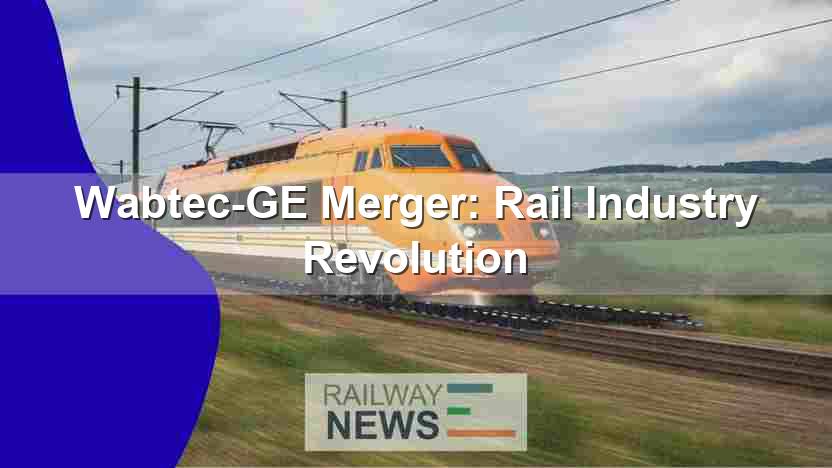
The year 2018 witnessed a significant shift in the global rail equipment landscape with the announcement of a $11 billion merger between Wabtec Corporation and GE Transportation (a subsidiary of General Electric). This strategic alliance combined two industry giants, reshaping the competitive dynamics and offering a compelling case study in mergers and acquisitions (M&A) within the rail sector. This article will delve into the details of this merger, analyzing its rationale, implications, and long-term effects on the industry. We will explore the financial aspects of the deal, the strategic objectives driving the merger, and the potential benefits and challenges that arose from this significant industry consolidation. The analysis will cover the integration process, the resulting market position of the new entity, and its impact on competition, innovation, and employment within the global rail industry.
Financial Structure and Shareholder Implications
The merger agreement stipulated that GE would receive $2.9 billion in cash upon completion. Post-merger, GE shareholders would hold approximately 40.2% of the combined entity, while Wabtec shareholders retained 49.9%. GE also retained a 9.9% stake. This structure aimed to create a balance between the contributions of both companies and provided a degree of continuity for both sets of shareholders. The deal was structured to be tax-free for shareholders, reducing financial burdens and encouraging acceptance of the merger agreement.
Strategic Rationale and Synergies
The merger’s primary driver was the pursuit of significant synergies. Pre-merger, Wabtec, with its strong presence in freight and transit rail equipment, and GE Transportation, with its leading position in locomotive manufacturing and rail services, had overlapping capabilities but also significant opportunities for complementary growth. The combined company anticipated achieving $250 million in annual cost synergies by 2022, further bolstering its financial standing. This synergy potential extended beyond cost reductions, with the merger enabling enhanced innovation through the consolidation of research and development resources.
Market Position and Competitive Landscape
The creation of a larger entity significantly altered the competitive dynamics of the rail equipment market. The merged company inherited the combined market share and technological capabilities of both Wabtec and GE Transportation, allowing it to better compete with other major players. Integration of technologies and expertise from both companies broadened the product portfolio and improved the overall value proposition for customers. This amplified market influence extended beyond the immediate players, potentially impacting pricing, innovation cycles, and customer relationships across the entire rail industry.
Integration Challenges and Long-Term Outlook
Merging two large corporations of different corporate cultures and operational processes presented considerable integration challenges. Combining disparate IT systems, aligning operational strategies, and integrating diverse workforces required careful planning and execution. These organizational hurdles required a clear integration plan, strong leadership, and a commitment to efficient communication and employee engagement to minimize disruption and maximize the benefits of the merger. The success of this integration would directly determine the long-term viability and sustainability of the combined company.
Conclusions
The $11 billion merger between Wabtec and GE Transportation marked a pivotal moment in the global rail industry. This transformative deal brought together two industry leaders, creating a significantly larger and more diversified entity. The strategic rationale was driven by the potential to achieve substantial synergies, resulting in enhanced competitiveness, cost savings, and technological innovation. The financial structure of the deal ensured a fair distribution of ownership and aimed to create a tax-advantaged merger for shareholders. The integration of Wabtec and GE Transportation presented considerable challenges related to integrating disparate operations and cultures. The success of the merger depended heavily on effectively managing these challenges while capitalizing on the opportunities for synergy and innovation. The long-term impact of this merger will be felt across the rail industry, reshaping the competitive landscape and prompting other industry players to evaluate their own strategic position. The resulting entity gained a significantly strengthened market presence and technological capabilities, positioning itself for continued growth and success in the evolving global rail market. The careful management of the integration process and the pursuit of innovative solutions will be crucial for the continued success of the newly merged company and its place in the global rail sector.

Railway infrastructure, rolling stock and transport technologies specialist focused on global rail industry developments, high-speed rail systems, signaling technologies and freight transportation. Covering railway investments, public transport modernization, rail operations and international mobility projects across Europe, Asia and North America.
RELATED POSTS
September 6, 2026 5:19 am
Hitachi delivered Taiwan's first N700ST high-speed train from Japan in...

September 5, 2026 4:19 pm
CPK launched formal tender talks with four consortia to design...

September 5, 2026 7:14 pm
HS2 Ltd signed renegotiated civils contracts with EKFB and Align...

September 6, 2026 4:12 am
Alstom delivered the first of 100 new G Class trams...
September 6, 2026 6:17 am
Hungary ordered a national ban on most freight trains from...
September 6, 2026 1:17 am
Hitachi Toshiba Supreme Consortium confirmed the first of 12 N700ST...