
Vossloh’s €40M Egypt High-Speed Rail Deal

This article delves into the significant contract awarded to Vossloh, a prominent rail technology company, for the supply of rail fastening systems to Egypt’s burgeoning high-speed rail network. The €40 million+ contract highlights the increasing investment in high-speed rail infrastructure globally and specifically within Egypt’s ambitious plans for modernization and economic development. We will explore the technical aspects of Vossloh’s contribution, the broader implications of this project for Egypt’s transportation sector, the environmental benefits associated with high-speed rail, and the role of such projects in fostering sustainable development. The analysis will also touch upon Vossloh’s market position and its strategic expansion into key international markets, underscoring the competitive landscape of the global rail technology industry. Finally, we will assess the long-term impact of this project and its potential to serve as a model for future high-speed rail developments in other developing nations.
Vossloh’s Contract and its Significance for Egypt
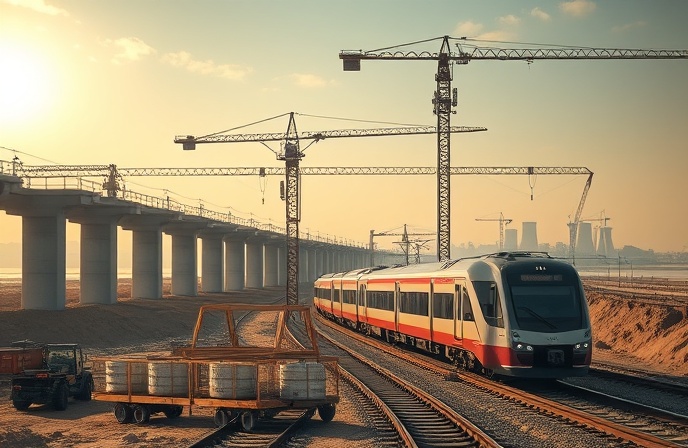
Vossloh’s securing of a contract exceeding €40 million ($41.83 million) to provide rail fastening systems for Egypt’s new high-speed rail line marks a substantial milestone. This project underscores Egypt’s commitment to modernizing its transportation infrastructure and enhancing connectivity. The line, extending from El Alamein to Ain Sokhna, is part of a larger plan to develop an 1,800km high-speed network. The contract involves the delivery of critical components, including rail fastening systems, by Vossloh Fastening Systems, a Vossloh subsidiary, to the National Authority for Tunnels (NAT), a state-owned Egyptian company. This collaboration exemplifies the increasing reliance on private sector expertise in the development of crucial national infrastructure projects.
Technical Aspects of Rail Fastening Systems and High-Speed Rail
The rail fastening system supplied by Vossloh is a critical component of any railway, particularly for high-speed lines operating at speeds up to 250 km/h. These systems ensure the secure attachment of the rails to the sleepers (crossties), maintaining track stability and geometry at high speeds. The performance of these systems directly impacts the ride quality, safety, and longevity of the rail infrastructure. The choice of fastening system depends on various factors such as rail type, track gauge, speed requirements, and environmental conditions. Vossloh’s expertise in this area is evident through their involvement in similar high-profile projects globally, indicating the technical sophistication of their products and their proven reliability in demanding environments. The detailed specifications and technologies used in these systems, although not explicitly stated, are implicitly understood to be of the highest standards required for high-speed operations.
Environmental and Economic Impacts of High-Speed Rail
The Egyptian high-speed rail project, with Vossloh’s contribution, holds significant potential for environmental and economic benefits. High-speed rail is demonstrably more environmentally friendly than road transport. Vossloh’s statement indicates the potential for a greater than 70% reduction in carbon emissions compared to road transport. This is attributed to the higher energy efficiency of trains and their ability to carry more passengers per unit of energy consumed. Economically, the project is expected to reduce travel times significantly, boosting tourism, trade, and overall economic activity. The improved connectivity can unlock economic opportunities in previously less accessible regions, fostering regional development and economic growth throughout Egypt.
Vossloh’s Market Position and Global Expansion
Vossloh’s involvement in this Egyptian project reinforces its global standing within the rail technology industry. Their recent contract for a high-speed line in China further highlights their strategic expansion into key international markets. The company’s diverse product portfolio, encompassing rail fastening systems, concrete sleepers, and switch systems, positions them as a significant player in the rail infrastructure sector. Their substantial sales of €942.8 million in the 2021 fiscal year demonstrate their financial strength and capacity to undertake large-scale projects. This consistent global success illustrates Vossloh’s commitment to innovation and its ability to meet the demanding requirements of high-speed rail projects worldwide.
Conclusions
The Vossloh contract for the Egyptian high-speed rail line signifies a crucial step in Egypt’s infrastructural development, showcasing the country’s investment in modern, sustainable transportation. Vossloh’s contribution, specifically their provision of high-performance rail fastening systems, is essential for the success of this project. The technical aspects of these systems, designed for speeds up to 250 km/h, emphasize the need for sophisticated technology in high-speed rail. Furthermore, this project illustrates the broader environmental and economic advantages associated with high-speed rail, offering a more sustainable and efficient transportation solution. Vossloh’s participation highlights their market leadership, showcasing their ability to secure and execute large-scale international projects. The project’s success will not only benefit Egypt but also serve as a compelling case study for other nations seeking to invest in high-speed rail infrastructure as a pathway towards sustainable economic development. The positive environmental impact, coupled with the significant economic benefits, makes this a significant project in the global rail sector and a testament to the collaboration between private industry and government initiatives in driving infrastructural advancements.
RELATED POSTS

June 23, 2025 11:33 am
Estonia awarded a design contract for a crucial Muuga rail...
July 23, 2025 12:33 pm
Belgian Government Backs Lineas with €61 Million Loan to Secure...
November 10, 2025 11:54 pm
PKP PLK awards Torpol a €416M contract for railway modernization,...
January 27, 2026 6:38 pm
EU rail suppliers seek €18 billion in funding to maintain...

February 1, 2011 7:41 am
Syria has revealed key joint rail projects with the private...
August 13, 2020 5:02 pm
This article examines the crucial role of accessibility upgrades in...