
Vivarail Class 230: UK Rail Modernization
Upgrade your regional lines with Vivarail’s Class 230 D-Trains! Modernize efficiently, improve passenger experience, and boost your network’s sustainability.
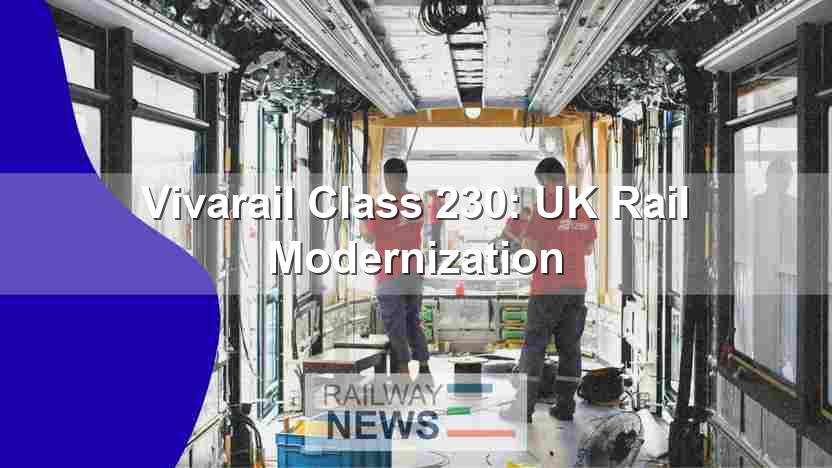
This article explores the significant upgrade to the Marston Vale Line (Bletchley to Bedford) in the UK through the introduction of three new Class 230 D-Trains by Vivarail, a West Midlands-based company. The deployment of these modern trains represents a substantial investment by West Midlands Trains (WMT) as part of a larger £700 million rolling stock renewal program. This initiative not only enhances passenger experience on this specific line but also serves as a case study for the modernization of regional rail networks across the UK, highlighting the challenges and benefits of upgrading aging infrastructure with modern, efficient rolling stock. The analysis will delve into the technical specifications of the Class 230, the strategic rationale behind this investment by WMT, and the broader implications for the UK rail industry’s ongoing modernization efforts. Additionally, we will examine the potential impact on passenger satisfaction and the operational improvements this modernization brings.
Modernizing Regional Rail Networks: The Case of the Marston Vale Line
The decision by West Midlands Trains to invest in new rolling stock for the Marston Vale Line underscores a growing trend in the UK rail industry: the modernization of regional lines to improve passenger experience and operational efficiency. The line, historically served by older rolling stock, presented an opportunity for significant improvement. The introduction of the Vivarail Class 230 D-Trains addresses several key areas: passenger comfort (increased space, modern amenities), accessibility (compliance with PRM-TSI 2020 standards – Persons with Reduced Mobility Technical Specification for Interoperability 2020), and operational efficiency (improved reliability and maintenance). This investment highlights a shift toward prioritizing passenger satisfaction and addressing the limitations of aging infrastructure on regional routes.
The Vivarail Class 230 D-Train: Design and Features
The Class 230 D-Trains are not newly built but are refurbished and modernized from existing diesel multiple units (DMUs). Vivarail’s expertise lies in re-engineering and upgrading older rolling stock, making them compliant with modern standards while significantly extending their operational lifespan. This approach offers a cost-effective alternative to procuring entirely new trains. Key features of the Class 230 include flexible configurations (“City” and “Country” layouts to optimize seating arrangements based on passenger demand), modern interiors designed for passenger comfort, and adherence to the latest PRM-TSI 2020 accessibility regulations. The use of existing chassis also minimizes environmental impact compared to the production of entirely new units.
Strategic Implications for West Midlands Trains
For West Midlands Trains, the investment in the Class 230 represents more than just a fleet upgrade. It’s a strategic move aimed at improving passenger satisfaction, attracting new riders, and enhancing the overall reputation of the railway operator. The improved service on the Marston Vale Line, with added early morning and late-night services, directly addresses passenger demands for enhanced connectivity and convenience. This investment is also part of a wider strategy to modernize the entire network, signaling a commitment to long-term infrastructure development and sustainability. The increased capacity and improved passenger experience are directly linked to revenue generation and operational efficiency gains.
Impact and Future Outlook
The introduction of the Vivarail Class 230 D-Trains on the Marston Vale Line marks a significant step towards modernizing regional rail services in the UK. The project demonstrates the viability of refurbishing existing rolling stock as a cost-effective and environmentally friendly alternative to new builds. The success of this initiative will likely influence similar modernization projects on other regional lines. The increased capacity, enhanced passenger experience, and improved operational efficiency contribute to a more attractive and sustainable railway network. Additionally, the positive feedback from passengers on the Marston Vale line can serve as a model for future upgrades across other lines, demonstrating the benefits of investing in modernization projects focused on both operational efficiency and customer satisfaction. The positive response from passengers will be key to evaluating the overall success of the project and may shape the direction of future investments in rolling stock and network upgrades throughout the UK rail system. The successful implementation of this project provides a template for future railway upgrades, combining cost-effectiveness with sustainable practices and greatly improved passenger comfort and accessibility.

Railway infrastructure, rolling stock and transport technologies specialist focused on global rail industry developments, high-speed rail systems, signaling technologies and freight transportation. Covering railway investments, public transport modernization, rail operations and international mobility projects across Europe, Asia and North America.
RELATED POSTS

September 6, 2026 5:19 am
Hitachi delivered Taiwan's first N700ST high-speed train from Japan in...

September 6, 2026 6:17 am
Hungary ordered a national ban on most freight trains from...

September 6, 2026 1:17 am
Hitachi Toshiba Supreme Consortium confirmed the first of 12 N700ST...

September 5, 2026 4:19 pm
CPK launched formal tender talks with four consortia to design...
September 7, 2026 8:16 am
Midea, Gree and TCL shipped air conditioners via China Railway...

September 6, 2026 4:12 am
Alstom delivered the first of 100 new G Class trams...