
Victoria’s Rail Infrastructure: AJM JV’s Role
Victoria’s Rail Projects Victoria (RPV) program is upgrading the state’s rail network. Jacobs, Aurecon, and Mott MacDonald are leading the charge, delivering expertise to ensure a future-ready rail system.
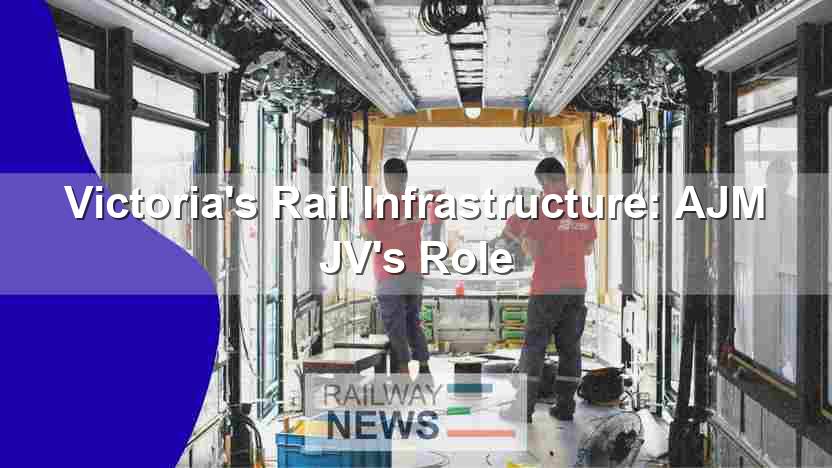
This article explores the strategic appointment of a joint venture (JV) led by Jacobs Engineering Group as the technical advisor for Rail Projects Victoria (RPV). This collaboration marks a significant step in enhancing Victoria’s railway infrastructure, focusing on the Victorian Rail Infrastructure Program (VRIP). The selection of this JV, comprising Jacobs, Aurecon, and Mott MacDonald (AJM JV), underscores the complexity and scale of the undertaking, necessitating expertise across various disciplines including civil engineering, signaling, rolling stock, and project management. The VRIP aims to significantly improve railway connectivity, speed, and capacity across the state, impacting both commuters and the broader Victorian economy. This analysis will delve into the scope of the VRIP, the specific roles of the AJM JV, and the broader implications of this collaboration for the future of rail transport in Victoria.
The Victorian Rail Infrastructure Program (VRIP) and its Ambitions
The VRIP represents a long-term vision for modernizing and expanding Victoria’s railway network. Its goals extend beyond simple upgrades, encompassing a detailed strategy for improved connectivity, increased speed and efficiency, and enhanced capacity. Key objectives of the VRIP include:
- Feasibility studies for higher-speed rail lines: Assessing the potential for significant reductions in travel times between major Victorian cities and towns.
- Electrification of lines: Expanding the electrified network to reduce reliance on diesel locomotives and decrease environmental impact.
- Integrated corridor planning: A holistic approach to planning and managing rail corridors, considering not only track infrastructure but also adjacent land use, community impacts, and environmental considerations.
- Deployment of high-speed rolling stock: Acquiring and integrating new trainsets capable of operating at significantly higher speeds than existing rolling stock, demanding upgrades to track infrastructure, signalling systems and operational procedures.
- Identification of new demand corridors: Proactive planning for future growth, identifying areas where new rail lines or expansions are needed to accommodate population growth and economic development.
The Role of the AJM JV: Expertise and Collaboration
The AJM JV, led by Jacobs, brings together a wealth of experience and expertise in the rail sector. This collaborative approach allows for a synergistic blend of skills and perspectives, ensuring a detailed and robust approach to addressing the challenges and opportunities presented by the VRIP. The JV’s responsibilities include:
- Technical advisory services: Providing expert advice and guidance to RPV on all aspects of the VRIP, ensuring alignment with best practices and industry standards.
- Strategic planning and design: Developing detailed plans and designs for various VRIP components, including track layout, signaling systems, station upgrades, and rolling stock integration.
- Feasibility studies and assessments: Conducting thorough assessments of the technical, economic, and environmental implications of VRIP proposals.
- Project management support: Assisting RPV in managing the implementation of VRIP projects, ensuring timely and cost-effective delivery.
Their prior involvement in significant Victorian rail projects, such as the Ballarat Line Upgrade and the Melbourne Metro Tunnel Project, demonstrates their proven capability and understanding of the local context.
Economic and Social Impacts of VRIP
The VRIP’s success will have far-reaching economic and social consequences for Victoria. Improved rail infrastructure directly contributes to:
- Enhanced regional connectivity: Reducing travel times and improving access to jobs, education, and healthcare for those living outside of Melbourne.
- Economic growth: Facilitating the movement of goods and people, supporting business development, and attracting investment.
- Reduced congestion: Alleviating pressure on road networks, leading to lower carbon emissions and improved air quality.
- Improved quality of life: Providing more reliable, efficient, and comfortable public transportation options.
Conclusion: Shaping the Future of Victorian Rail
The appointment of the AJM JV as technical advisor for the VRIP represents a crucial step in realizing Victoria’s ambitious goals for its railway network. The VRIP’s detailed scope, encompassing upgrades, expansions, and technological advancements, demands a highly skilled and collaborative approach to planning and execution. The expertise of Jacobs, in partnership with Aurecon and Mott MacDonald, brings a proven track record and a deep understanding of the complexities involved in large-scale rail projects. The successful implementation of the VRIP will not only transform Victoria’s rail infrastructure but will also have significant positive impacts on the state’s economy and the quality of life for its citizens. The program’s focus on high-speed rail, electrification, integrated corridor planning, and new rolling stock represents a commitment to a more sustainable, efficient, and passenger-centric rail system. The AJM JV’s role in providing technical expertise and strategic guidance is paramount to achieving these ambitious targets, ensuring that the VRIP delivers a lasting legacy of improved transport, economic growth, and enhanced connectivity across Victoria. The successful completion of the VRIP will serve as a model for future rail development, both within Australia and internationally, showcasing the potential for transformative improvements to rail infrastructure through strategic partnerships and innovative planning. The long-term benefits, encompassing economic prosperity, reduced environmental impact, and enhanced quality of life, underscore the importance and strategic value of this initiative.

Railway infrastructure, rolling stock and transport technologies specialist focused on global rail industry developments, high-speed rail systems, signaling technologies and freight transportation. Covering railway investments, public transport modernization, rail operations and international mobility projects across Europe, Asia and North America.
RELATED POSTS
September 6, 2026 5:19 am
Hitachi delivered Taiwan's first N700ST high-speed train from Japan in...

September 5, 2026 4:19 pm
CPK launched formal tender talks with four consortia to design...
September 6, 2026 1:17 am
Hitachi Toshiba Supreme Consortium confirmed the first of 12 N700ST...
September 6, 2026 6:17 am
Hungary ordered a national ban on most freight trains from...

September 6, 2026 4:12 am
Alstom delivered the first of 100 new G Class trams...
September 5, 2026 7:14 pm
HS2 Ltd signed renegotiated civils contracts with EKFB and Align...