
Victorian Tram History: Ballarat Museum & G Class Modernization
Historic tram Z3.116, first of its kind, joins Ballarat Museum. Victorian railway sector welcomes a significant piece of history.
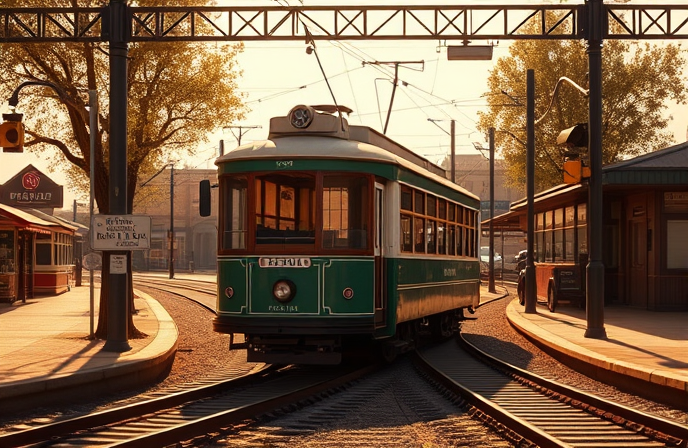
Victorian Tram History Preserved: Ballarat Tramway Museum Receives Historic Z3 Tram
The echoes of clanging bells and the rumble of steel wheels on track are being preserved as the Ballarat Tramway Museum welcomes a significant piece of Victorian transport history. Tram Z3.116, the first of its class to be built, has been donated by VicTrack after being maintained by Yarra Trams, marking the end of its active service on the Melbourne tram network. This event, occurring in 2024, provides a tangible link to Victoria’s past and highlights the ongoing evolution of its public transport infrastructure. The donation allows for the preservation of the Z3 tram, a vital component of the Victorian rolling stock fleet, representing a pivotal era in the development of Melbourne’s tram network. The transition reflects the move towards modern, accessible tram technology, showcasing the ongoing process of modernization within the industry.
A Milestone in Tram History
Tram Z3.116, constructed in 1979 by Comeng (now part of Alstom) at Dandenong South, holds the distinction of being the first Z3 class tram built. This marked a significant point in the modernization of Melbourne’s tram fleet. The Z3 class was a workhorse for the network, running for many years and is now being retired with the introduction of the new G Class trams. This donation provides a historical example for future generations of public transport enthusiasts. The Ballarat Tramway Museum is now the custodian of this important artifact of Victorian public transport history, adding to its existing collection of trams dating back to 1887. The museum is committed to the preservation of this iconic rolling stock, ensuring future generations can appreciate a past era of transport.
The Evolution of the Fleet
The transition from older, high-floor trams to more accessible modern trams, like the G Class, marks a significant shift in passenger transport accessibility. The Victorian Government’s $1.85 billion investment in 100 new Next Generation G Class Trams, to be built in Maidstone, is a core part of this. The new trams will boast improved features to ensure a more equitable transport network for the public, providing enhanced access for all commuters. The G Class trams are due to begin testing on the network later this year, further promoting an ongoing commitment to modernization and accessibility. The ongoing introduction of low-floor trams also improves the efficiency of boarding and alighting, which helps to improve the passenger experience.
A Legacy of Manufacturing Excellence
The Dandenong South site, where Z3.116 was built, holds a prominent position in Victoria’s manufacturing heritage. It has produced a great number of trams over many decades. The site produced 230 trams across the Z1, Z2, and Z3 classes between 1975 and 1984. This long-standing commitment to the rail industry underscores the importance of this facility and represents a valuable contribution to Victoria’s rolling stock. The ongoing investment in this sector continues to sustain the Victorian economy and support local manufacturing jobs.
Conclusion
The donation of Z3.116 to the Ballarat Tramway Museum is a significant event, both in terms of preserving history and illustrating the ongoing evolution of public transport. The retirement of the Z3 class and the introduction of the new G Class trams symbolises the progressive move towards modern, accessible, and efficient urban transport solutions. The Victorian Government’s substantial investment in new trams underscores a dedication to improving passenger experience and ensuring a more inclusive network. The preservation of this piece of Victorian history will allow enthusiasts and future generations to learn about the pivotal role these trams played in the Victorian public transport network. The focus on the low-floor Next Generation G Class Trams and the associated infrastructure investment ensures that the focus continues to be on accessibility and improved operational efficiency.
RELATED POSTS

November 16, 2018 2:50 am
Vossloh's strategic acquisition of Strabag Rail's rail milling business expands...
August 8, 2016 12:14 am
Modernizing the Craiova-Caracal line for High-Speed Rail, with ERTMS Level...
September 11, 2017 8:15 am
Revolutionizing high-speed rail: Discover how advanced signaling and autonomous...
October 7, 2025 9:54 am
Romanian Railway Authority inspects Alstom's Bautzen factory for Coradia Stream...
November 17, 2017 8:53 am
Maximize railway safety and efficiency with Positive Train Control (PTC)....
September 6, 2025 9:36 pm
LSRC unveils "Spirit of Pere Marquette" locomotive, a tribute to...