
VIA Rail’s New Fleet: Revolutionizing Canadian Rail
Introduction
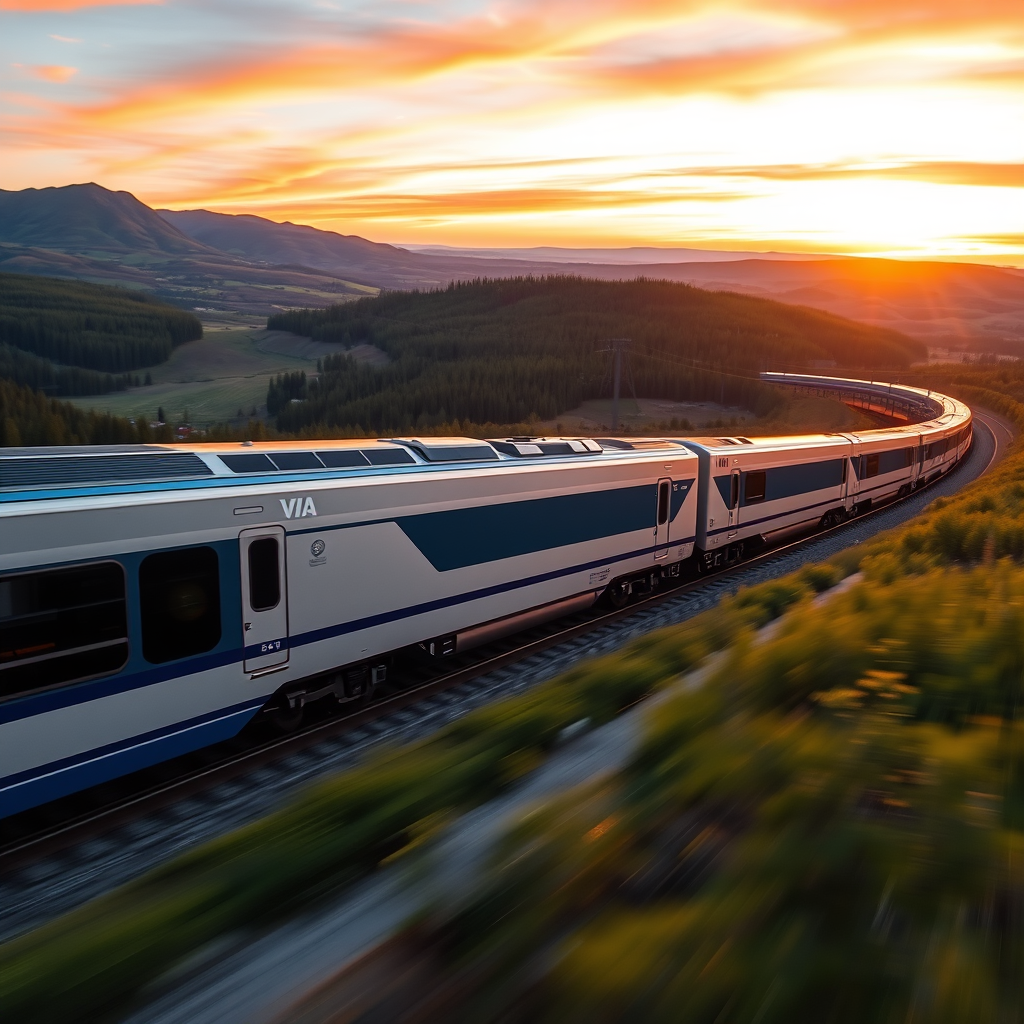
VIA Rail Canada’s ambitious undertaking to replace its aging Long-Distance, Regional, and Remote (LDRR) fleet represents a significant milestone in the modernization of Canada’s passenger rail network. This project, fueled by the 2024 Federal Budget and building upon the successful introduction of the new Corridor fleet, aims to dramatically improve the passenger experience while simultaneously addressing critical environmental concerns. The procurement process, initiated with a Request for Qualification (RFQ), seeks a new pan-Canadian fleet comprising nine distinct car types, each designed to enhance comfort, accessibility, and sustainability. This article will delve into the key aspects of this transformative initiative, examining the technological advancements, environmental considerations, and strategic implications of this fleet replacement for VIA Rail and the Canadian railway landscape as a whole. We will explore the challenges and opportunities presented by this ambitious project, analyzing its potential impact on passenger satisfaction, operational efficiency, and Canada’s broader transportation strategy.
Technological Advancements in the New Fleet
The RFQ for the new LDRR fleet necessitates significant technological advancements. Beyond simply replacing aging rolling stock, VIA Rail seeks a leap forward in passenger amenities and operational efficiency. This includes the integration of modern passenger information systems, enhanced onboard Wi-Fi connectivity, and improved accessibility features complying with the latest standards. The focus extends beyond passenger comfort to encompass improved safety features, incorporating advanced signaling and train control systems for greater operational safety and reliability. Furthermore, the design should incorporate technologies that optimize energy consumption and reduce maintenance costs throughout the service life of the new fleet. This likely includes the adoption of lightweight materials, regenerative braking systems, and improved aerodynamic design, all contributing to a more environmentally responsible and cost-effective operation.
Environmental Sustainability: A Key Consideration
Environmental sustainability is not merely an afterthought but a core principle driving the LDRR fleet replacement. VIA Rail’s commitment to minimizing the environmental impact of rail travel is evident in its specification requirements. The RFQ explicitly demands consideration of lifecycle environmental performance across the entire fleet. This implies a strong preference for rolling stock incorporating features aimed at reducing greenhouse gas (GHG) emissions. The use of electric locomotives, regenerative braking, and optimized energy management systems are likely key aspects of this commitment. Furthermore, the selection process will undoubtedly evaluate the environmental impact of manufacturing materials, operational energy consumption, and end-of-life disposal or recycling plans. This holistic approach underscores VIA Rail’s determination to operate a truly sustainable rail network.
Accessibility and Passenger Experience Enhancement
The new fleet’s design must prioritize accessibility, ensuring a seamless and comfortable travel experience for all passengers, regardless of physical limitations. This commitment extends beyond compliance with accessibility regulations; it aims to create an inclusive and welcoming environment. The integration of features such as wheelchair-accessible restrooms, wider aisles, and improved passenger information systems specifically designed for passengers with disabilities is crucial. The nine different car types being procured will facilitate improved capacity management and a more comfortable journey, likely incorporating modern amenities such as individual power outlets, larger luggage storage areas, and improved seating arrangements designed for greater comfort on long journeys. In essence, the new fleet aims to elevate the overall passenger experience and position VIA Rail as a leader in passenger comfort and accessibility in North America.
Strategic Implications and Conclusion
The replacement of the LDRR fleet is not simply a matter of replacing old trains with new ones; it represents a strategic investment with far-reaching implications for VIA Rail and the future of passenger rail in Canada. The project, as part of VIA Rail’s VIAction 2030 strategic plan, positions the company for long-term growth and competitiveness in the North American passenger rail market. The procurement of this new, modern, and environmentally conscious fleet underscores VIA Rail’s commitment to expanding its services, improving operational efficiency, and enhancing passenger satisfaction. The emphasis on technological advancements, environmental sustainability, and enhanced accessibility demonstrates VIA Rail’s commitment to becoming a leading North American passenger rail operator. The successful implementation of this project will not only benefit VIA Rail but also contribute significantly to the growth of the Canadian passenger rail industry, further promoting sustainable transportation and improved connectivity across the country. The strategic integration of these new trains into VIA Rail’s existing infrastructure and the long-term planning for their maintenance and operational lifecycle are crucial aspects for the long-term success of this ambitious endeavor. The successful completion of this project will strengthen VIA Rail’s position as a key player in integrated passenger mobility in Canada and position the nation for a more sustainable and interconnected future.
RELATED POSTS

February 8, 2021 6:14 am
The COVID-19 pandemic profoundly impacted global transportation networks, and high-speed...
July 11, 2020 8:31 pm
Introduction The Indian Ministry of Railways (MoR) has undertaken a...
July 4, 2025 12:33 pm
LA Metro approves in-house transit ambassador program, boosting public transit...
September 6, 2025 6:00 pm
SC Ports President & CEO Barbara Melvin resigns; Phillip Padgett...
April 7, 2025 1:45 pm
Modernizing Austria’s Railway Network: The Styria Project This article explores...
August 11, 2022 10:42 am
This article explores the significant contribution of Terratec’s Earth Pressure...