
Verdion Invests €1B in Denmark’s iPort Zealand Intermodal Hub
Verdion invests €1 billion in iPort Zealand, a new intermodal hub in Denmark. This strategic project enhances freight connectivity, boosting rail transport across Northern Europe significantly.
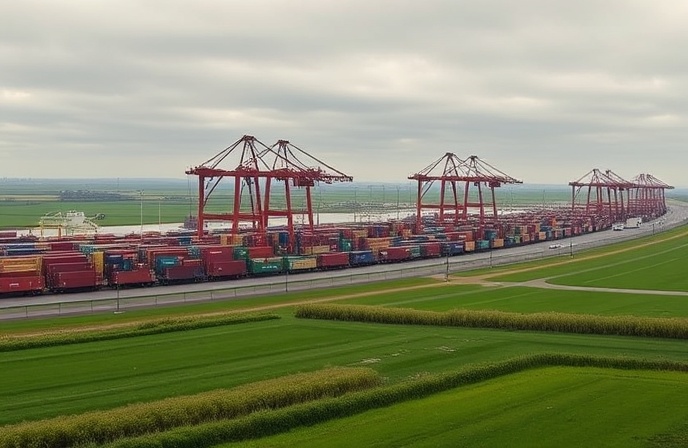
Real estate developer Verdion has announced plans to invest EUR 1 billion in constructing iPort Zealand, a major new intermodal logistics terminal in Ringsted, Denmark. This ambitious project is poised to become Denmark’s primary intermodal hub, strategically positioned to enhance freight connectivity across Northern Europe.
| Key Entity | Critical Detail |
|---|---|
| Developer | Verdion |
| Project Name | iPort Zealand |
| Location | Ringsted, Denmark (60 km west of Copenhagen) |
| Investment | EUR 1 billion (direct investment EUR 600 million from Verdion) |
| Land Area | 324 hectares (250 hectares for terminal, remainder for wildlife/biodiversity) |
| Key Functionality | Intermodal freight terminal, logistics, advanced manufacturing, light industrial space |
| Train Capacity | Minimum 12 full-length freight trains per day, 7 days a week |
| Strategic Alignment | Complements Fehmarnbelt tunnel project; part of STRING megaregion |
Strategic Impact of iPort Zealand
Strategically located in the STRING megaregion, which connects Oslo and Hamburg across four countries and 14 million people, iPort Zealand is set to redefine freight logistics in Scandinavia. Its placement at the nexus of Denmark’s primary east-west and north-south rail corridors, adjacent to the E20 motorway, offers unparalleled connectivity for businesses operating within this vital economic zone. The terminal’s design emphasizes a seamless integration of road and rail, facilitating the efficient transshipment of trailers and containers. Verdion’s commitment extends beyond the logistics hub itself, with plans to offer up to 570,000 square meters of versatile commercial space for logistics, advanced manufacturing, and high-tech industries, fostering job creation and regional economic growth.
Operational Excellence and Capacity
iPort Zealand is engineered to handle a significant volume of freight, designed to accommodate at least 12 full-length freight trains daily, operating seven days a week. This substantial rail capacity is crucial for shifting freight from road to rail, with each train projected to replace approximately 60 long-distance trucks. Such a modal shift will significantly alleviate pressure on road networks, reduce congestion, and contribute to lower carbon emissions in freight transport. The development also incorporates substantial areas dedicated to wildlife and biodiversity, reflecting a commitment to sustainable infrastructure development.
Complementary Infrastructure and Future Growth
The development of iPort Zealand is intrinsically linked to and will be significantly enhanced by the ongoing construction of the Fehmarnbelt tunnel, which will directly connect Denmark and Germany. This world-first combined road and rail tunnel promises to revolutionize travel and freight times between Scandinavia and continental Europe, reducing transit periods between Hamburg and Copenhagen by up to two hours by rail. The presence of a robust intermodal terminal like iPort Zealand at this critical juncture ensures that the region is operationally ready to capitalize on the new high-speed connections, positioning Denmark as a pivotal gateway for international freight flows.
Last June 2025, we published an article about Renfe’s cutting-edge Aranjuez maintenance hub. Click here to read – Future of Rail: Renfe’s Railway Technology Hub, Aranjuez: Essential Guide
Michael Hughes, CEO of Verdion, highlighted the strategic importance of the project, stating, “iPort Zealand is set to become a major new cluster for Danish business in an unrivalled strategic location. This new commercial hub is set to become a growth engine for the region, translating infrastructure improvements into tangible benefits for the local and national economy, including better access to key regional ports. With work on the tunnel already underway, it is essential that functional infrastructure is already in place.”
Industry Context
The substantial investment in iPort Zealand underscores a broader trend in the European logistics sector: the critical need for advanced, strategically located intermodal hubs to support the burgeoning e-commerce market and the transition towards more sustainable freight transport. As supply chains face increasing complexity and pressure to reduce their environmental footprint, facilities that offer efficient multimodal connections and integrated logistics solutions are becoming indispensable. CEOs and logistics professionals must pay close attention to developments like iPort Zealand, as they indicate the future direction of freight infrastructure, directly impacting route optimization, transit times, and operational costs across the continent. This project signals a significant strategic move by Verdion to capture a substantial share of future freight volumes in Northern Europe.

Railway infrastructure, rolling stock and transport technologies specialist focused on global rail industry developments, high-speed rail systems, signaling technologies and freight transportation. Covering railway investments, public transport modernization, rail operations and international mobility projects across Europe, Asia and North America.
RELATED POSTS
September 6, 2026 5:19 am
Hitachi delivered Taiwan's first N700ST high-speed train from Japan in...

September 5, 2026 4:19 pm
CPK launched formal tender talks with four consortia to design...

September 6, 2026 4:12 am
Alstom delivered the first of 100 new G Class trams...
September 6, 2026 1:17 am
Hitachi Toshiba Supreme Consortium confirmed the first of 12 N700ST...
September 6, 2026 8:17 am
DB InfraGO reopened the Nuremberg-Regensburg line in Bavaria on 31...
September 5, 2026 6:17 pm
Universal Signalling won a deal to install its U-Cross system...