
USBRL: Kashmir’s Railway Revolution Nears Completion

This article explores the significant progress and nearing completion of the Udhampur-Srinagar-Baramulla Railway Link (USBRL) project in the Indian Union Territory of Jammu and Kashmir. This ambitious undertaking represents a crucial step in connecting the geographically isolated region of Kashmir with the rest of India’s vast railway network. The project’s scale, encompassing challenging terrain and complex engineering feats, presents a compelling case study in modern railway construction. We will examine the project’s financial aspects, the intricate engineering challenges overcome, the phased completion strategy employed, and the broader socio-economic implications of this landmark achievement. The analysis will delve into the logistical complexities and innovative solutions implemented to navigate the unique geographical and environmental hurdles posed by the mountainous terrain, highlighting the technological advancements and managerial strategies employed to ensure successful project delivery. Furthermore, the article will assess the long-term impact of the USBRL on the socio-economic fabric of Kashmir, its potential to boost tourism, facilitate trade, and foster regional integration within India.
Financial Overview and Cost Management
The USBRL project has been allocated a sanctioned cost of $4.4 billion (Rs 370.12 billion). As of February 2023, over 90% of this budget has been utilized. This demonstrates effective cost management, especially considering the complex nature of the project. However, it’s crucial to analyze the final expenditure and conduct a post-project cost-benefit analysis to ascertain the project’s true financial viability and efficiency. Factors such as unforeseen geological challenges, material price fluctuations, and labor costs contribute to overall project expense. Transparency in budget allocation and expenditure tracking is essential for future large-scale railway projects. A comprehensive audit and evaluation of the financial management of the USBRL is necessary to identify best practices and areas for improvement in future projects.
Engineering Marvels and Technological Advancements
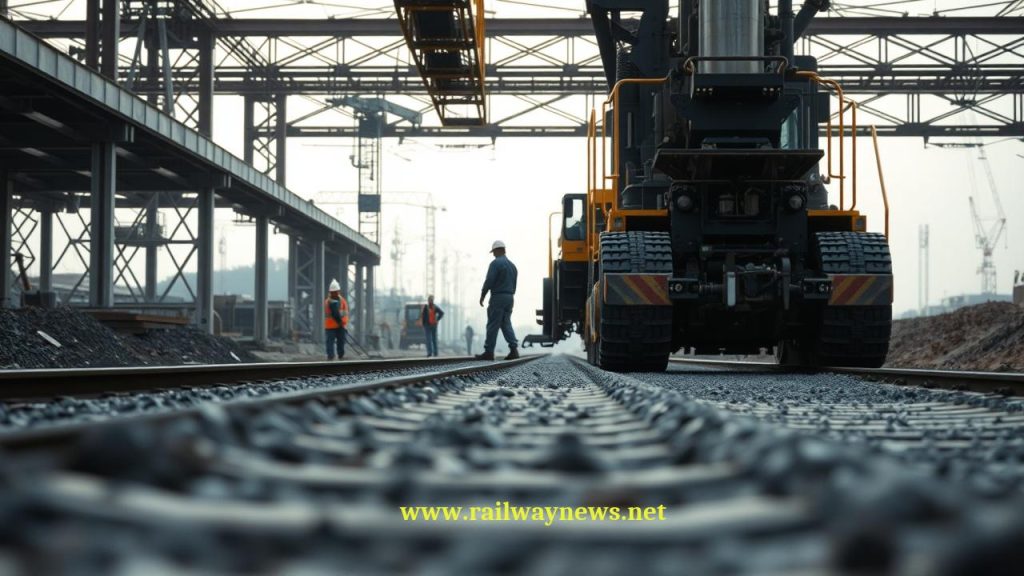
The USBRL project showcases remarkable engineering achievements. The construction includes the traversing of challenging mountainous terrain, necessitating the construction of numerous tunnels and bridges, including the world’s highest railway bridge over the Chenab River. This bridge, a testament to modern engineering, stands as a symbol of the project’s scale and complexity. Furthermore, the project incorporates India’s first cable-stayed railway bridge, highlighting the use of cutting-edge technology. The construction of the 38 tunnels, including the longest tunnel at 12.77km, required sophisticated tunnel boring machines (TBMs) and advanced geotechnical engineering techniques to ensure stability and safety. The project exemplifies the integration of advanced technologies in overcoming the unique challenges of the Himalayan region.
Phased Implementation and Project Management
The successful execution of the USBRL project is largely attributable to its phased implementation strategy. Sections of the railway line were commissioned progressively, starting with the Qazigund-Baramulla section in 2009, followed by Banihal-Qazigund in 2013 and Udhampur-Katra in 2014. This approach allowed for a controlled rollout, enabling lessons learned from each phase to be incorporated into subsequent stages. The current focus is on completing the Katra-Banihal section. This phased approach minimized risks, facilitated efficient resource allocation, and ensured continuous progress. Rigorous project management, including effective monitoring and timely intervention, has been crucial to maintaining momentum and avoiding delays.
Socio-Economic Impact and Regional Connectivity
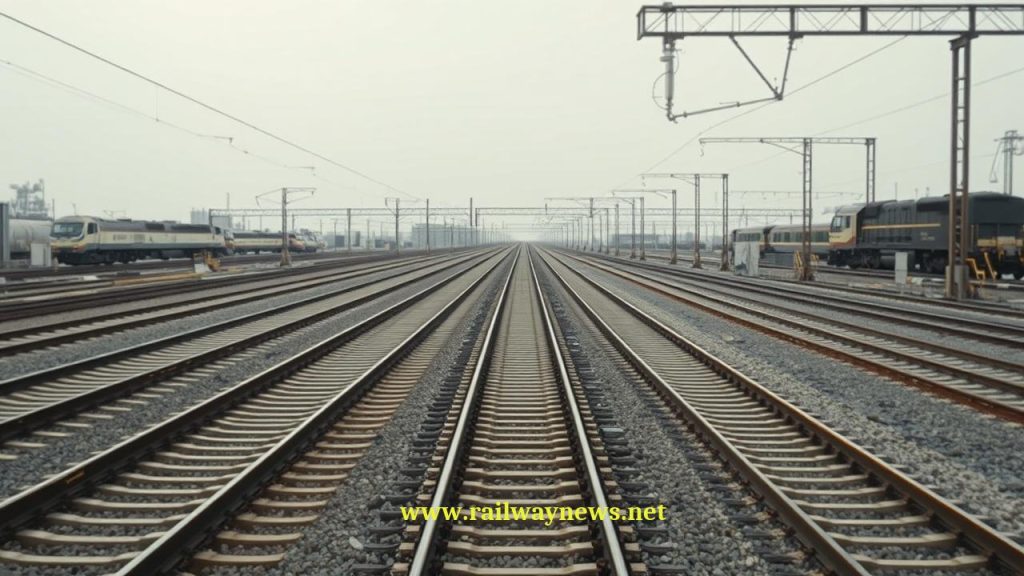
The USBRL project carries profound socio-economic implications for Jammu and Kashmir. Upon completion, it will connect the region to the national railway network, significantly improving transportation infrastructure. This will enhance accessibility for both people and goods, boosting regional connectivity. The improved connectivity is expected to stimulate economic growth through increased tourism, trade, and commerce, providing opportunities for employment and regional development. The project is anticipated to transform the lives of the people of Kashmir, creating new employment avenues and enhancing their overall quality of life. This connectivity is a significant step towards greater regional integration and national unity.
Conclusions
The Udhampur-Srinagar-Baramulla Railway Link (USBRL) project stands as a testament to India’s commitment to infrastructural development and regional connectivity. The project’s nearing completion signifies a monumental achievement, overcoming significant financial, engineering, and logistical hurdles. The meticulous financial management, despite the massive scale and complex nature of the project, highlights effective cost control and resource allocation. The utilization of advanced engineering technologies, including the construction of the world’s highest railway bridge and India’s first cable-stayed railway bridge, demonstrates innovative problem-solving capabilities. The phased implementation strategy, coupled with robust project management, ensured timely progress and risk mitigation. Ultimately, the socio-economic impact of the USBRL is expected to be substantial, bringing positive change to the lives of the people of Jammu and Kashmir. Improved regional connectivity will foster economic growth, create job opportunities, and enhance the overall quality of life. While the financial implications warrant further scrutiny through a post-project analysis, the USBRL project serves as a prime example of successful large-scale railway development, offering valuable lessons and best practices for future undertakings globally. The project’s completion will undoubtedly mark a turning point in the history of Jammu and Kashmir, ushering in an era of greater accessibility, economic prosperity, and national integration. Future research could focus on the post-completion economic impact assessment, examining the effects on tourism, trade, employment, and regional development. Moreover, a comparative analysis with similar railway projects in challenging terrains worldwide would provide further insights into best practices and innovative solutions in railway construction.
RELATED POSTS
April 1, 2026 12:10 pm
Alstom secured a €410 million contract from CFR SA to...

April 1, 2026 8:40 pm
BNSF Railway expands Galesburg, Illinois, yard capacity, with second hump...

April 1, 2026 4:31 pm
Network Rail upgraded Berrylands station platforms for £6 million, replacing...
April 1, 2026 6:21 pm
Federal Transit Administration awarded $20.6 billion in formula-based apportionments to...