
US vs China: Lobito Corridor’s Geopolitical Stakes
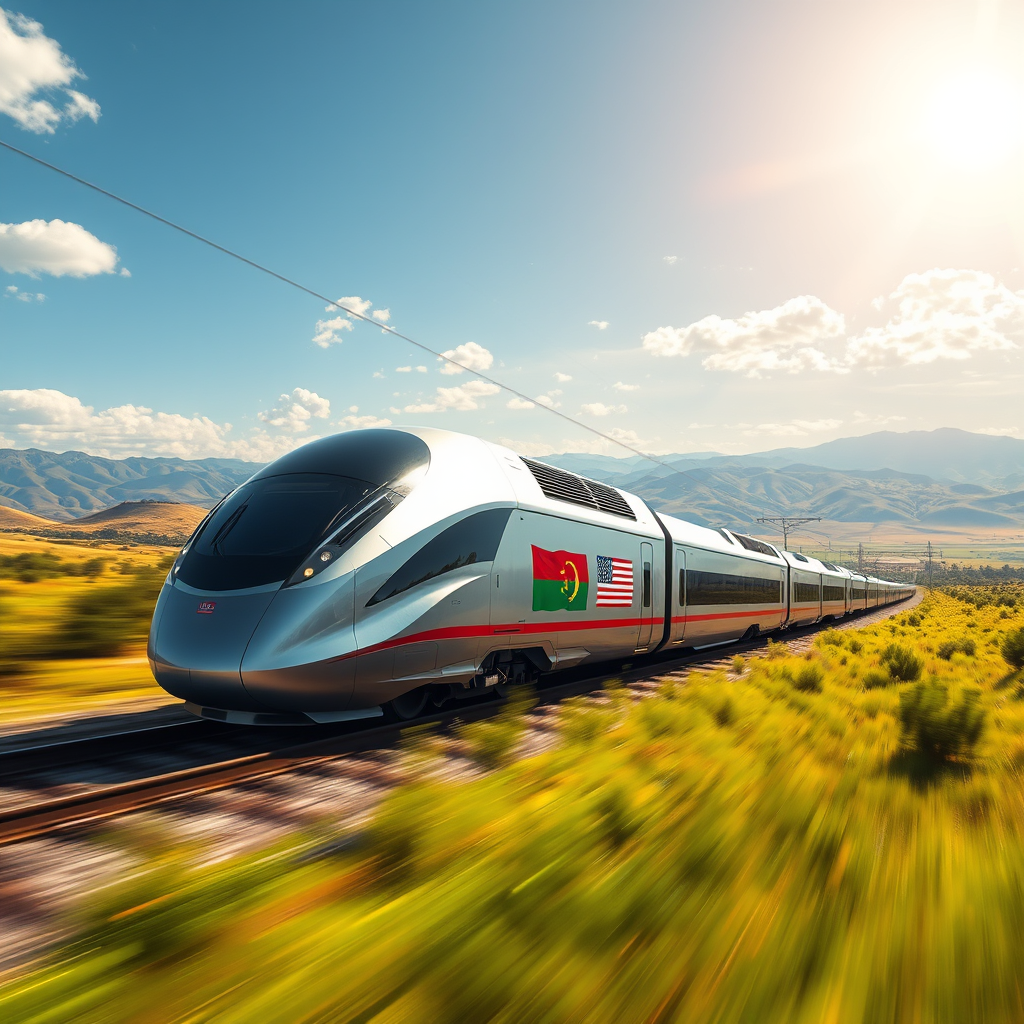
This article explores the significant investment the United States is undertaking in Africa’s railway infrastructure, specifically focusing on the Lobito Corridor project. This ambitious initiative involves the development of a 1,700km railway line spanning from the Atlantic to the Indian Ocean, aiming to facilitate the export of vital metals from the Copperbelt region of Central Africa, encompassing countries like the Democratic Republic of Congo (DRC) and Zambia. The project is not merely an infrastructural endeavor; it represents a strategic geopolitical move by the US to counter China’s growing influence in the region’s resource-rich sector and secure access to crucial minerals essential for various industries, including renewable energy. This initiative also highlights the complex interplay between economic development, geopolitical strategy, and environmental sustainability in Africa.
The Geopolitical Significance of the Lobito Corridor
The US investment in the Lobito Corridor is deeply intertwined with geopolitical considerations. The project directly challenges China’s expanding presence in Africa’s mining sector. China’s significant investments in infrastructure and resource extraction have established a considerable foothold on the continent. The Lobito Corridor aims to provide a viable alternative trade route for Central African resources, reducing reliance on Chinese-controlled infrastructure and securing a more stable supply chain for the US and its allies. This competition for influence extends beyond mere economic considerations; it represents a struggle for strategic advantage in a region rich in essential minerals crucial for global technological advancement and energy transition.
Economic and Developmental Impacts of the Project
Beyond the geopolitical implications, the Lobito Corridor promises significant economic and developmental benefits for the region. The project’s planned expansion will create jobs, stimulate local economies, and improve transportation networks, thereby fostering trade and economic growth. The modernization of the existing 1,300km Angolan railway line, along with the construction of an additional 800km linking Zambia, will dramatically enhance the efficiency of resource transportation, lowering costs and increasing the competitiveness of the region’s mining industry. The project also intends to leverage private sector investment through partnerships, encouraging broader economic participation and sustainable growth.
Environmental Considerations and Sustainable Development
While the economic potential of the Lobito Corridor is undeniable, it’s crucial to address potential environmental impacts. Large-scale infrastructure projects can have significant effects on ecosystems and biodiversity. The project’s environmental impact assessment needs to be thorough and transparent, ensuring that the construction and operation of the railway adhere to stringent environmental standards. Sustainable practices should be integrated into every stage of the project to minimize its ecological footprint and maximize positive environmental and social outcomes. This includes responsible waste management, mitigation of habitat disruption, and commitment to local community engagement.
Financing and Implementation Challenges
The sheer scale of the Lobito Corridor project necessitates substantial financial resources and effective project management. The US commitment of nearly $1 billion, along with private sector investment, represents a significant investment, but successful implementation requires meticulous planning and execution. Challenges could include securing necessary permits and approvals, managing logistics in a complex region, and ensuring transparency and accountability in the project’s financing and execution. Overcoming these challenges will be crucial to the project’s timely completion and its contribution to regional development.
Conclusions
The US investment in the Lobito Corridor represents a multifaceted initiative with significant implications for the involved nations and the global economy. The project’s primary aim is to establish a competitive alternative to existing trade routes, primarily countering China’s influence in the region’s mining sector. However, the project also promises substantial economic benefits for Central Africa, boosting infrastructure development, job creation, and economic growth. The potential for positive development is substantial, but it is essential to acknowledge the potential environmental risks and the need for careful planning and management to ensure sustainability. The success of the Lobito Corridor will depend heavily on effective collaboration between the US government, private sector partners, and the governments of Angola and Zambia. Transparent governance, responsible environmental practices, and sustainable development must be central to the project’s ongoing success. Careful monitoring and evaluation of environmental and socio-economic impacts are critical to maximizing benefits while minimizing negative consequences. The long-term success of the project will not only determine its economic viability but also its impact on the geopolitical landscape of the region and the future of resource extraction in Africa. The project highlights the complex interplay between economic development, geopolitical strategy, and environmental stewardship in a rapidly evolving global context. Ultimately, the success of the Lobito Corridor will be a testament to the ability of international collaboration to drive sustainable and equitable development in resource-rich regions.
RELATED POSTS

July 23, 2015 9:12 pm
Technavio, a tech-focused research firm published a new report on...

December 10, 2015 10:19 am
The mayor of Bielefeld and around 6,000 other guests attended...

July 1, 2019 6:11 am
The Strategic Importance of Minor Signalling Works within Network Rail’s...

September 27, 2025 11:54 pm
Alstom partners with DB Cargo Polska to establish a new...
October 6, 2021 3:30 am
This article delves into the significant role of Alstom, a...
February 8, 2018 11:04 pm
Upgrade your rail network for greater efficiency and capacity. ...