
UP-NS Merger: Transcontinental Rail’s Impact on US Supply Chains
Union Pacific to acquire Norfolk Southern, creating a transcontinental railroad. The merger aims to boost efficiency and reshape the freight landscape.
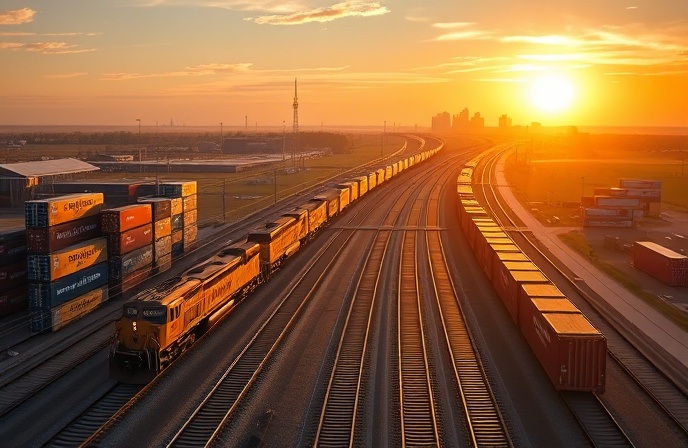
Union Pacific and Norfolk Southern Announce Historic Transcontinental Railroad Merger
In a move poised to reshape the North American freight landscape, Union Pacific Corp. (UP) and Norfolk Southern Corp. (NS) today announced a definitive agreement for UP to acquire NS. This landmark deal, finalized in a stock and cash transaction, will create the first transcontinental railroad in the United States. The announcement, made this morning, marks a significant shift in the industry, promising to streamline supply chains, boost economic activity, and reshape the operational and logistical capabilities of two of the largest railroads in the country. The merger, with the deal agreed upon at UP headquarters in Omaha, Nebraska, is scheduled to finalize in the fall of 2026. The strategic rationale behind the merger centers on creating a more efficient and interconnected rail network, improving service for shippers across the country, and leveraging the combined resources of two industry giants. This article delves into the details of the acquisition, its financial implications, and potential impact on the railroad industry.
Financial Dynamics and Valuation
The proposed acquisition values NS at $320 per share, based on UP’s unaffected closing stock price on July 16, 2025. This figure represents a 25% premium over NS’ 30-trading day volume-weighted average price on the same date. The agreement establishes an enterprise value of $85 billion for NS, resulting in a combined enterprise value exceeding $250 billion for the merged entity. This valuation underscores the magnitude of the transaction and its potential impact on investor confidence in the railway sector. The financial structure of the deal, a mix of stock and cash, will likely be a topic of close scrutiny by financial analysts, especially regarding debt levels and post-merger capital allocation strategies. These figures further demonstrate the commitment of both organizations to the continued advancement of the rail industry.
Operational Synergy and Network Integration
The primary driver behind this acquisition, according to both UP CEO Jim Vena and NS President and CEO Mark George, is the creation of operational synergies. The merger facilitates the creation of a transcontinental rail network, which means a unified system capable of moving goods across the entire United States with greater efficiency. This integration of networks will undoubtedly present complex challenges during the implementation phase, however, promising enhanced customer service through optimized routing, reduced transit times, and improved capacity utilization. The unification of these two large-scale networks opens the door to the potential integration of advanced technologies, such as enhanced data analytics, which will enable more proactive maintenance and optimized train dispatching. The key lies in realizing the operational benefits in the long run, providing the best possible service at the best price point.
Supply Chain Implications and Economic Impact
The creation of a transcontinental railroad has the potential to revolutionize the U.S. supply chain. The streamlined movement of goods will increase efficiency and dependability for shippers, especially those reliant on long-haul routes. The merged entity will also be better positioned to capture market share from competing modes of transportation, such as trucking, by providing cost-effective and environmentally friendly alternatives. This shift could have a positive ripple effect on the national economy, supporting economic growth, fostering job creation, and increasing the efficiency of industrial and manufacturing processes. Additionally, the expanded network footprint can drive economic development in previously underserved regions.
Company Summary
Union Pacific Corp. (UP): Headquartered in Omaha, Nebraska, Union Pacific (UP) is one of the largest freight railroad networks in North America, operating approximately 32,300 route miles across 23 states west of the Mississippi River. The company is a key player in transporting a wide variety of commodities, including chemicals, energy products, intermodal containers, agricultural products, and automotive goods. UP focuses on operational efficiency and providing critical transportation services to a diverse customer base.
Norfolk Southern Corp. (NS): Norfolk Southern (NS), based in Atlanta, Georgia, operates approximately 19,300 route miles across 22 states, primarily in the eastern United States. The company serves a significant portion of the country’s population and manufacturing base. NS is a major transporter of coal, intermodal containers, automobiles, and agricultural products. NS has been actively engaged in initiatives to improve network performance, including Positive Train Control (PTC) system implementations and infrastructure upgrades.
Conclusion
The proposed acquisition of Norfolk Southern by Union Pacific represents a watershed moment for the North American rail industry. The creation of a transcontinental railroad promises to significantly improve efficiency and service for shippers across the U.S., creating a more competitive edge. The merger’s success will depend on the successful integration of both companies’ operations and cultures, a complex undertaking requiring careful planning and execution. The merger faces scrutiny from regulatory agencies, and any roadblocks or delays will be watched closely by industry experts. Looking ahead, the merger sets the stage for a new era of competition and innovation in the rail sector. The long-term implications extend beyond the balance sheets of UP and NS, shaping the future of the supply chain, driving economic growth, and demonstrating the power of strategic consolidation to adapt to the constantly shifting needs of global markets. With the anticipated closing date in the fall of 2026, industry stakeholders will closely monitor the progress of the integration and the realization of the projected synergies. This historic agreement holds tremendous potential to transform the very landscape of the American railroad.
RELATED POSTS

May 25, 2023 7:08 pm
Introduction This article examines the significant safety enhancements implemented on...

Japan’s Kawasaki Heavy Industries is close to winning a contract...
October 10, 2025 2:54 am
Norfolk Southern celebrates the 1,000th **DC-to-AC locomotive conversion**, boosting fuel...
March 21, 2025 1:33 am
This article explores the significant advancements in railway signaling technology...

February 13, 2016 12:25 pm
French National Railways (SNCF) has awarded a €186m contract to...
July 18, 2025 6:33 am
New Zealand's rail network upgrades to ETCS Level 2 signalling,...