
Union Pacific-Norfolk Southern Merger: Rail Industry Impact & Future
Union Pacific and Norfolk Southern propose a merger, potentially reshaping North American freight transport. Cost optimization and network synergies are key drivers. The deal faces logistical hurdles.
“`html
The Genesis of a Potential Rail Giant: Unpacking the Union Pacific-Norfolk Southern Merger Proposal
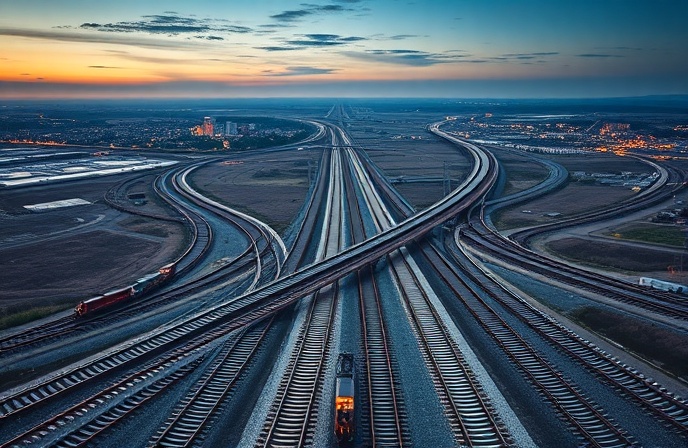
Whispers have been circulating throughout the rail industry since last week’s announcement of a proposed merger between Union Pacific Railroad (UP) and Norfolk Southern Railway (NS). This momentous agreement, potentially reshaping North American freight transport, has sparked intense speculation regarding its origins: Who initiated the talks? What were the driving forces? When did discussions commence? Where were initial meetings held? Why is this merger so strategically significant? And how will it reshape the operational landscape? This article delves into the circumstances surrounding the merger proposal, analyzing its potential impact and implications for the future of the rail industry.
Initiating the Conversation: A Strategic Imperative
The catalyst for the proposed merger remains closely guarded, however, industry analysts suggest it likely stemmed from strategic considerations common to both railways. Competition from other modes of transport such as trucking, combined with increasing operational costs, may have created an environment where collaboration presented significant advantages. The merger, if approved, could allow for significant cost reductions through economies of scale, network optimization, and combined resources, particularly in areas like locomotive maintenance and infrastructure investment. The proposed agreement would bring together significant operational networks, promising to boost freight efficiency, and ultimately enhance market share in a competitive logistics landscape.
The Economic Drivers: Cost Optimization and Network Synergies
One of the primary economic drivers behind the proposed merger is cost optimization. Both UP and NS, like all Class I railroads (major freight railroads as defined by the Surface Transportation Board), face escalating operational expenses. These costs are driven by factors such as fuel, labor, and infrastructure maintenance. A merger promises to reduce expenses by consolidating administrative functions, optimizing equipment utilization, and streamlining operational processes, such as centralized dispatching. Additionally, network synergies offer the potential to improve efficiency and reduce transit times by eliminating redundant routes and optimizing traffic flows. The combined network could potentially offer shippers a more direct and efficient route, further reducing costs and attracting new business to the rail sector.
Logistical Integration and Operational Challenges
Successful integration presents significant logistical and operational challenges. Consolidating two vast rail networks requires meticulous planning across multiple operational areas. This includes integrating different signaling systems (e.g., Positive Train Control – PTC), harmonizing crew management protocols, and managing equipment distribution effectively. These integrations can be difficult due to potential labor disputes, differing corporate cultures, and the massive scale of each railway’s operation. Moreover, the combined entity would need to navigate regulatory hurdles and obtain approvals from the Surface Transportation Board (STB) to demonstrate the merger’s benefits for all stakeholders, including shippers, employees, and the broader economy.
Industry Implications: A New Era of Railroading
The proposed merger carries far-reaching implications for the entire rail industry. It could potentially trigger further consolidation among other Class I railroads, reshaping the competitive landscape. Smaller railroads and short-line operators, as well as other modes of transport, may need to reassess their strategies. Increased competition may compel railroads to explore innovative technologies, such as artificial intelligence for predictive maintenance and data-driven analytics for real-time operational improvements. A merged UP-NS entity could also increase its influence in legislative and regulatory matters, advocating for policies that benefit the combined entity’s long-term growth and performance.
Conclusion
The proposed merger between Union Pacific Railroad and Norfolk Southern Railway signifies a pivotal moment in the rail industry’s evolution. While the exact origins of the deal remain confidential, the economic drivers of cost optimization and network synergies are evident. If the merger is approved, the integration process will present significant challenges, necessitating careful planning and execution across all facets of operation. The long-term impact promises a transformation of the North American freight transport landscape. Whether or not the merger comes to pass, the proposed agreement is a clear indication that the rail industry is responding to competitive pressures by exploring collaborative solutions to enhance operational efficiency, streamline processes, and improve the value proposition of rail freight transportation in the years to come.
Company Summary
Union Pacific Railroad (UP): One of the largest freight-hauling railroads in North America, operating a vast network across 23 states in the western two-thirds of the United States. The company focuses on moving a broad range of commodities, including agricultural products, industrial goods, and consumer products. UP has a long history of innovation and is known for its extensive infrastructure investments.
Norfolk Southern Railway (NS): Operates a large rail network in the Eastern United States, covering 22 states, the District of Columbia, and parts of Canada. The company is involved in transporting a broad variety of commodities, including coal, chemicals, and intermodal traffic, serving ports, industrial sites, and population centers.
“`
RELATED POSTS
Union Pacific earned an 80% top Class I railroad intermodal...

March 6, 2026 12:10 pm
Consortium Announces Digital Services Platform for UK Rail Sector A...
March 5, 2026 7:57 pm
Banedanmark launched battery train operations on Denmark's 67 km Skjern–Holstebro...
March 5, 2026 4:23 am
Renfe suspends Spain rail services on Madrid-Andalusia corridor until February...
March 6, 2026 4:07 pm
Digital Subscription Market Analysis Q1 2026 Analytics firm Antenna confirmed...
March 4, 2026 10:12 am
Amtrak and Siemens deploy 8 Airo trains for the U.S....