
Union Pacific-Norfolk Southern Merger: Rail Industry Impact Analysis
Union Pacific and Norfolk Southern explore a coast-to-coast rail merger, potentially reshaping freight transport.
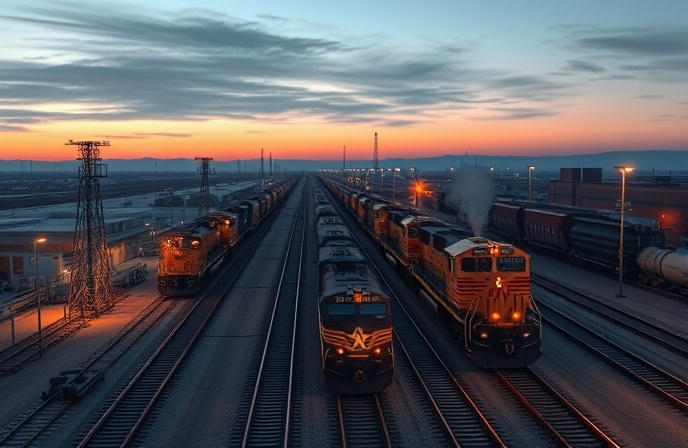
Coast-to-Coast Rail: Union Pacific and Norfolk Southern Explore a Transformative Merger
In a move that could reshape the North American freight rail landscape, Union Pacific (UP) and Norfolk Southern (NS) are exploring a potential merger, as confirmed by both companies on July 25, 2025. If finalized, this deal would create a $200 billion coast-to-coast rail behemoth, marking the first modern West-to-East single-line freight railroad. The proposed merger, if successful, promises to overhaul how goods are transported across the country, impacting commodities like grains, chemicals, and automobiles. This article will delve into the details of the potential merger, examining its implications, regulatory hurdles, and the potential impact on the broader rail industry. The key questions being explored are: What is the scope of the proposed merger? Who are the key players? When is this likely to occur? Where will the impact be felt most? Why is this deal being considered? And how will the merger take place and be implemented?
The Scope of the Deal: A Unified Network
The proposed merger would combine UP’s robust presence in the western two-thirds of the United States, spanning 23 states, with NS’s 19,500-mile network across 22 eastern states. This integrated network would drastically simplify freight movement, eliminating the complexities and inefficiencies associated with interline transfers between separate railroads. A single-line haul offers potential benefits like reduced transit times, streamlined tracking, and improved customer service. Currently, both UP and NS are major players in the railway industry. UP provides essential freight services, connecting communities and businesses to the global market. In 2024, the company announced plans to invest $3.4 billion in infrastructure, rolling stock, and technology. NS manages around seven million carloads annually, encompassing a wide range of products, from agricultural goods to consumer items. The merger, if approved, will have significant implications for operational efficiencies, market competition, and the overall health of the North American rail freight system.
Navigating Regulatory Hurdles: The Surface Transportation Board
The primary hurdle to the merger is obtaining approval from the Surface Transportation Board (STB), the regulatory body responsible for approving mergers and acquisitions (M&A) in the railway sector. The STB implemented stricter merger regulations in 2001, following a series of rail deals that reduced the number of major railroads from 36 before deregulation in 1980 to five. The STB’s primary concern is maintaining competition and ensuring that mergers do not negatively impact shippers or consumers. Obtaining STB approval can be a lengthy and complex process, involving extensive review of the proposed merger’s impact on service, rates, and competition. The STB will scrutinize the potential merger to assess its impact on the market and whether it complies with existing regulations designed to prevent anti-competitive practices. The board’s decisions will be critical in determining the fate of the proposed merger.
Competitive Landscape and Industry Reaction
The potential merger between UP and NS has already spurred reactions within the competitive landscape. Sources suggest that BNSF, owned by Berkshire Hathaway, and CSX are also considering their merger options. This reaction underscores the potential for a ripple effect within the industry, as competitors evaluate their strategic positions in the face of potential changes in market dynamics. The rail industry has historically been characterized by consolidation and strategic alliances; this merger could catalyze a wave of further consolidation in response. The merger could redefine the existing partnerships and network structures in North America, shifting the balance of power in the freight market. The strategic responses of rival companies will significantly affect the future of the railway industry.
Conclusion
The potential merger between Union Pacific and Norfolk Southern represents a significant development in the North American rail industry. If approved, it would create a massive coast-to-coast freight railroad, potentially streamlining operations and improving service for shippers. The success of this merger hinges on STB approval, which will evaluate the impact on competition and consumer welfare. The regulatory landscape will set the tone for the merger, defining its parameters and timeline. This will impact all players in the railway sector. The response of competitors like BNSF and CSX, and the actions of the STB will shape the landscape, potentially ushering in a new era of consolidation. The merger’s success will provide crucial insight into the future evolution of the railway industry.
Company Summary
Union Pacific (UP): Founded in 1862, Union Pacific is a leading North American freight railroad. UP operates across 23 western states, providing essential freight services connecting communities and businesses to the global market. The company transports a wide variety of commodities. The 2024 capital plan includes significant investments in infrastructure, rolling stock, and technology, signaling its commitment to efficiency and capacity expansion.
Norfolk Southern (NS): Norfolk Southern operates a vast freight network across 22 eastern states. NS hauls a diverse range of products, handling around seven million carloads annually. The company focuses on transporting agricultural goods and consumer items. NS consistently invests in its network and technology to improve customer service and freight delivery reliability.
RELATED POSTS
April 1, 2026 2:14 pm
Saudi Arabia Railways launched a 1,700 km freight rail corridor...
April 1, 2026 8:40 pm
BNSF Railway expands Galesburg, Illinois, yard capacity, with second hump...
April 1, 2026 12:10 pm
Alstom secured a €410 million contract from CFR SA to...
April 1, 2026 8:45 am
Renfe Alquiler finalized a 15-year lease for ex-DB coaches with...
April 1, 2026 6:21 pm
Federal Transit Administration awarded $20.6 billion in formula-based apportionments to...
April 1, 2026 5:39 pm
The U.S. Surface Transportation Board proposed a 1.5% annual US...