
Ukraine’s Rail Modernization: GE’s TE33A Impact
Ukraine’s railway modernization, a $1 billion investment featuring 30 powerful GE Evolution Series TE33A locomotives, boosts freight capacity and strengthens its role as a vital Eurasian transit hub. Discover how!
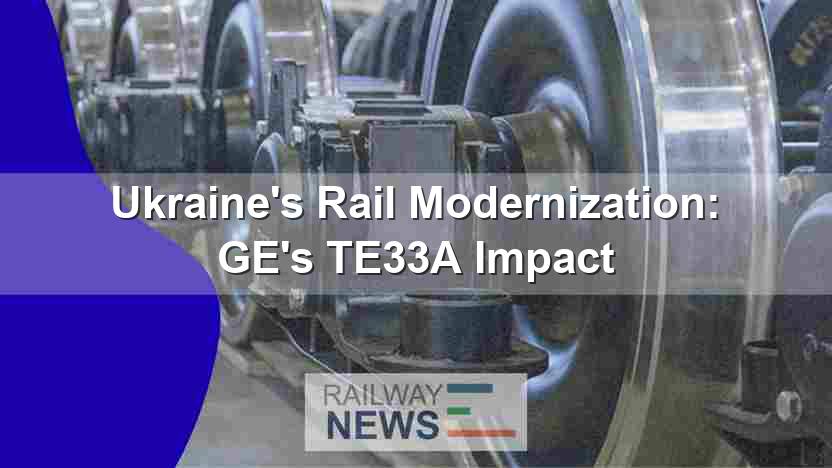
This article examines the significant modernization effort undertaken by Ukrainian Railways (UZ) through a substantial agreement with GE Transportation. The partnership, valued at $1 billion, centers on the delivery and implementation of 30 GE Evolution Series TE33A locomotives. This initiative represents a crucial step towards enhancing UZ’s operational efficiency, boosting its freight capacity, and solidifying Ukraine’s role as a key transit nation between Europe and Asia. The introduction of these advanced locomotives is not merely a technological upgrade; it’s a strategic investment aimed at revitalizing Ukraine’s transportation infrastructure and fostering economic growth. This analysis will delve into the technical specifications of the TE33A, the broader implications for UZ’s operations, and the long-term economic and geopolitical consequences of this modernization project. We will explore the logistical challenges, the economic benefits, and the potential impact on Ukraine’s position within the global trade network.
Technological Advancement and Operational Efficiency
The heart of the modernization project lies in the GE Evolution Series TE33A locomotive. This powerful machine, equipped with a 12-cylinder, 4,500 horsepower engine, offers significant advantages over its predecessors. The increased power output translates directly into greater hauling capacity, allowing for the efficient transportation of larger volumes of freight, particularly crucial for bulk commodities like agricultural goods and metals. Beyond raw power, the TE33A boasts enhanced flexibility, enabling it to operate effectively across varying terrains and operational conditions. Additionally, the design incorporates features aimed at reducing lifecycle costs, encompassing lower fuel consumption and decreased maintenance requirements, resulting in substantial long-term savings for UZ.
Environmental Considerations and Sustainable Practices
The environmental impact of freight transportation is a growing concern globally. The TE33A locomotives represent a significant step towards more sustainable rail operations. The advanced engine technology contributes to a substantial reduction in harmful emissions compared to older locomotive models, aligning with international efforts to mitigate climate change and improve air quality. Lower fuel consumption not only reduces operational costs but also minimizes the environmental footprint of UZ’s freight operations, promoting a greener and more environmentally responsible approach to transportation.
Economic Impact and Geopolitical Significance
The modernization of UZ extends far beyond the technical specifications of the locomotives themselves. It represents a strategic investment in Ukraine’s economic future. The increased efficiency and capacity will enhance the country’s ability to compete in the global market, facilitating the export of agricultural products and manufactured goods. By streamlining the transportation of goods, this project aims to lower costs and increase the competitiveness of Ukrainian exports. Moreover, the improved infrastructure strengthens Ukraine’s position as a vital transit hub between Europe and Asia, attracting increased international trade and fostering economic growth across various sectors.
Logistical Challenges and Implementation
While the benefits of the modernization are considerable, the project also presents significant logistical challenges. The assembly and integration of these sophisticated locomotives require specialized expertise and infrastructure. The agreement includes the transfer of locomotive kits to Ukraine for final assembly, requiring the development of robust local manufacturing and assembly capabilities. Successful implementation relies on effective collaboration between GE Transportation and UZ, along with the development of adequate training programs for Ukrainian technicians to maintain and repair the new locomotives. Effective project management, skilled labor, and transparent communication are crucial for overcoming these challenges and ensuring the timely completion of the project.
Conclusion
The deployment of GE Evolution Series TE33A locomotives by Ukrainian Railways marks a transformative moment for the country’s transportation sector. This $1 billion initiative represents not merely an upgrade of rolling stock but a strategic investment with far-reaching economic and geopolitical implications. The enhanced operational efficiency, reduced environmental impact, and increased freight capacity of the TE33A locomotives directly contribute to Ukraine’s competitiveness in the global market and reinforce its position as a critical transit nation. However, successful implementation requires careful planning, effective collaboration, and the development of skilled local expertise. Overcoming the logistical challenges inherent in such a large-scale modernization project is paramount to realizing the full potential of this significant undertaking. The long-term success hinges on the effective transfer of technology and expertise, ensuring the sustainability of this modernization effort and maximizing the economic benefits for Ukraine. The project serves as a compelling case study in how strategic investments in transportation infrastructure can drive economic growth and solidify a nation’s role in the global economy, demonstrating the powerful synergy between technological advancement and national development.

Railway infrastructure, rolling stock and transport technologies specialist focused on global rail industry developments, high-speed rail systems, signaling technologies and freight transportation. Covering railway investments, public transport modernization, rail operations and international mobility projects across Europe, Asia and North America.
RELATED POSTS
September 6, 2026 5:19 am
Hitachi delivered Taiwan's first N700ST high-speed train from Japan in...

September 5, 2026 4:19 pm
CPK launched formal tender talks with four consortia to design...
September 6, 2026 1:17 am
Hitachi Toshiba Supreme Consortium confirmed the first of 12 N700ST...
September 6, 2026 6:17 am
Hungary ordered a national ban on most freight trains from...
September 5, 2026 6:17 pm
Universal Signalling won a deal to install its U-Cross system...

September 6, 2026 8:17 am
DB InfraGO reopened the Nuremberg-Regensburg line in Bavaria on 31...