
UK Rail’s Western Line: £2.4B Investment
UK rail companies are collaborating on a £2.4 billion Western Railway upgrade, boosting regional prosperity. Discover how this innovative partnership is transforming rail services!
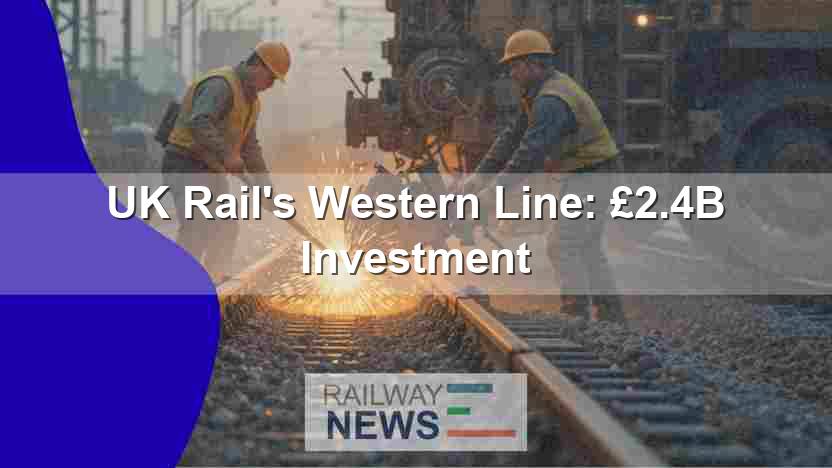
This article examines the collaborative effort undertaken by various UK rail companies to enhance railway services in the West of England. The initiative, titled “In Partnership for Britain’s Prosperity – The West of England,” represents a significant commitment to improving infrastructure, service quality, and economic growth in the region. This multifaceted plan involves substantial investment, encompassing both operational improvements and the procurement of new rolling stock. The collaboration transcends the traditional boundaries between public and private sectors, bringing together train operating companies (TOCs), infrastructure providers, and regional stakeholders to achieve a common goal. We will explore the key players involved, the financial implications, the proposed improvements, and the anticipated economic benefits resulting from this ambitious undertaking. The article also explores the strategic importance of rail infrastructure for regional economic development and how this partnership model can be replicated elsewhere.
Stakeholder Collaboration and Strategic Planning
The success of this initiative hinges on the unprecedented collaboration between diverse stakeholders. Key players include Great Western Railway (GWR), CrossCountry, Hitachi Rail Group, the Rail Delivery Group (RDG), Business West, TravelWatch SouthWest, several Community Rail Partnerships (CRPs), the Peninsular Rail Taskforce, Cornwall Business Council, Thames Valley Chamber of Commerce, and the Bedwyn Trains Passenger Group. This broad coalition ensures that the plan considers the perspectives of passengers, businesses, and local communities, leading to a more detailed and effective strategy. The collaborative planning process allowed for the alignment of investment priorities, ensuring maximum impact and efficiency in resource allocation.
Financial Investment and Infrastructure Improvements
The plan outlines a substantial £2.4 billion investment from 2019 to 2024, dedicated to operations, maintenance, and refurbishment of railway infrastructure. This investment complements ongoing upgrades such as the electrification of the Great Western Main Line and the nearly £500 million private investment in new intercity trains. The acquisition of modern, high-capacity trains contributes to increased service frequency and reduced journey times, directly addressing passenger demands for improved connectivity and efficiency. This financial commitment demonstrates a long-term commitment to enhancing the region’s rail network, exceeding short-term solutions.
Economic Impact and Regional Development
Beyond the immediate improvements in rail services, the plan aims to generate significant economic benefits for the West of England region. The projected £9.45 billion in additional economic benefits highlights the transformative potential of rail infrastructure investment. Improved connectivity fosters economic growth by facilitating better access to jobs, markets, and opportunities for businesses and individuals alike. The plan explicitly addresses job creation and skills development within the railway sector, further contributing to the regional economy. This focus on economic development positions the railway not just as a transportation system, but as a catalyst for wider regional prosperity.
Enhancing Service Quality and Passenger Experience
The overarching goal of this collaborative venture is to improve the overall passenger experience. This involves not only faster and more frequent services but also a greater focus on accessibility and customer satisfaction. The integration of feedback from organizations like TravelWatch SouthWest ensures that passenger needs are prioritized throughout the planning and implementation phases. The improvements extend beyond simply reducing journey times; they include efforts to enhance connectivity between different towns and cities, strengthening regional integration and fostering a more cohesive community. This customer-centric approach distinguishes this project, demonstrating a commitment to providing a reliable, efficient, and enjoyable rail travel experience.
Conclusions
The partnership between UK rail companies to develop the Western railway represents a significant step towards improving rail services and driving economic growth in the West of England. The collaboration, involving a wide range of public and private sector organizations, ensures a holistic approach to infrastructure development, service enhancement, and regional economic benefits. The £2.4 billion investment, combined with ongoing upgrades, signals a long-term commitment to modernizing the rail network and addressing the needs of passengers and businesses. The projected £9.45 billion in additional economic benefits showcases the transformative potential of strategic rail investment. This initiative goes beyond mere infrastructure improvements; it exemplifies a strategic approach to regional development, leveraging rail transport as a catalyst for economic growth and social progress. The success of this project not only benefits the West of England but also offers a valuable model for other regions looking to improve their rail networks and stimulate economic growth through collaboration and strategic investment. The emphasis on collaboration, long-term vision, and a commitment to addressing the needs of both passengers and the wider community sets a positive precedent for future rail development initiatives across the UK. This integrated approach to rail planning and investment should be considered a benchmark for future rail projects, promoting regional economic prosperity and enhanced passenger experience.

Railway infrastructure, rolling stock and transport technologies specialist focused on global rail industry developments, high-speed rail systems, signaling technologies and freight transportation. Covering railway investments, public transport modernization, rail operations and international mobility projects across Europe, Asia and North America.
RELATED POSTS

October 8, 2026 1:15 pm
Alstom secured a €1bn contract to build 13 automated trains,...

October 1, 2026 7:09 am
United States regulators confirmed a September 30 deadline for the...

October 8, 2026 12:18 pm
Siemens Mobility signed an agreement with VinSpeed to supply 350...

October 4, 2026 5:14 pm
Alstom secured a CA$4.7 billion order from VIA Rail Canada...

October 5, 2026 6:12 pm
AECOM and Jacobs secured a contract in September 2026 to...

October 1, 2026 12:13 am
Illinois approved $1.5 billion annually for the Northern Illinois Transit...