
UK Rail’s Class 195: Modernization Milestone
Northern’s £500 million modernization program arrives with the Class 195 trains, boasting key upgrades like accessibility, Wi-Fi, and air conditioning. Discover how this revolutionizes UK rail travel!
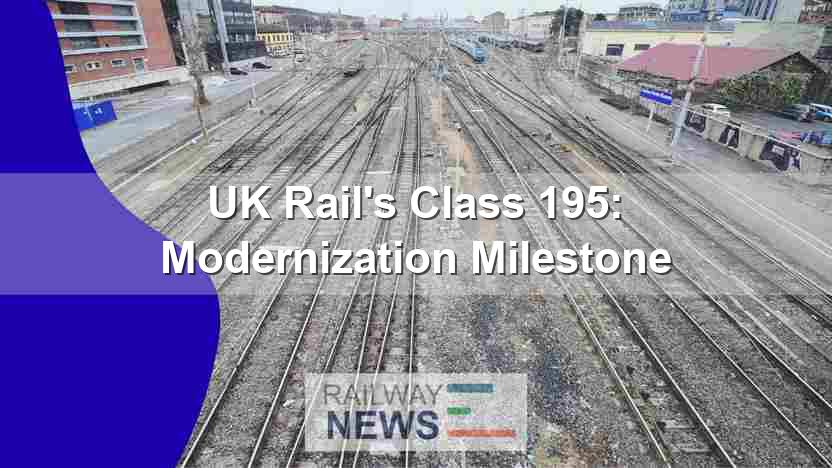
The arrival of the first Class 195 train in the United Kingdom marks a significant step forward in Northern’s ambitious modernization program. This £500 million investment, encompassing a fleet of 98 units manufactured by CAF (Construcciones y Auxiliar de Ferrocarriles), represents a substantial commitment to enhancing passenger experience and overall rail service quality. This article will delve into the significance of this delivery, exploring the technological advancements embodied in the Class 195 trains, the strategic objectives driving this modernization initiative, and the broader implications for the UK rail network. We will examine the collaboration between Northern, Eversholt Rail (the leasing company), and CAF, highlighting the complexities of such large-scale projects and their contribution to the future of rail travel in the region. Finally, we will consider the long-term impact of this upgrade on both passengers and the wider railway industry.
The Class 195: A Technological Leap Forward
The Class 195 trains represent a significant upgrade from Northern’s existing fleet. Key features include full accessibility for passengers with disabilities, a considerable improvement over older models. The inclusion of air conditioning, power sockets at each seat, and free Wi-Fi significantly enhances passenger comfort and convenience. Additionally, the implementation of an electronic seat reservation system aims to improve passenger flow and reduce crowding. These features are not merely aesthetic improvements; they represent a conscious effort to elevate the overall passenger experience and address longstanding complaints concerning the comfort and reliability of older rolling stock. The technological advancements incorporated into the Class 195 trains set a new benchmark for passenger rail travel in the region.
Modernization Strategies and Fleet Replacement
Northern’s modernization strategy extends beyond the introduction of the Class 195 trains. The program includes the planned removal of outdated Pacer trains (a type of British regional train known for their age and lack of modern amenities), a significant step toward improving the overall quality of regional rail services. Alongside the introduction of new units, existing trains will undergo refurbishment, further optimizing the efficiency and reliability of Northern’s fleet. The leasing agreement with Eversholt Rail for the Class 195 fleet represents a shrewd financial strategy, enabling Northern to access modern rolling stock without requiring a massive upfront capital investment, allowing for greater flexibility in managing resources and reducing risk.
Collaboration and Project Management
The successful delivery of the Class 195 trains is a testament to the effective collaboration between Northern, Eversholt Rail, and CAF. The project’s complexity requires seamless coordination across different organizations and jurisdictions. The manufacturing process, including the overseas production in Spain and subsequent transportation to the UK, necessitates precise logistical planning and execution. The subsequent testing and commissioning phase on the UK rail network will further test the collaborative capabilities of the involved entities. Successful project management ensures the on-time and within-budget delivery of this vital fleet upgrade, setting a positive precedent for future rail modernization projects.
Impact and Future Implications
The arrival of the Class 195 trains signifies more than just a fleet upgrade; it underscores a commitment to improving the overall quality of rail travel in the region. The enhanced passenger experience, improved accessibility, and increased reliability will undoubtedly benefit commuters and travelers alike. Additionally, the removal of the outdated Pacer trains marks a pivotal moment in upgrading regional rail services. The success of this modernization program could serve as a blueprint for similar initiatives across the UK rail network. This investment also provides a boost to the UK rail industry, stimulating economic activity and creating employment opportunities throughout the supply chain. The long-term impact extends beyond immediate passenger benefits, influencing infrastructure development and shaping the future of regional transportation.
Conclusion
The arrival of the first Class 195 train in the UK marks a significant milestone in Northern’s £500 million modernization program. This initiative, encompassing the introduction of a new fleet, the refurbishment of existing trains, and the retirement of outdated rolling stock, represents a detailed strategy for improving the quality of rail services in the region. The Class 195 trains themselves showcase significant technological advancements, including improved accessibility, enhanced passenger comfort features (air conditioning, power sockets, Wi-Fi), and an electronic seat reservation system. The success of this project hinges on the effective collaboration between Northern, Eversholt Rail, and CAF, demonstrating the complex logistical and managerial challenges involved in such large-scale undertakings. The long-term impact extends beyond simply providing a more comfortable and reliable service for passengers; it revitalizes the regional rail network, creates employment opportunities, and sets a precedent for future modernization projects across the UK rail system. The success of this initiative provides a compelling case study for the transformative potential of strategic investment in railway infrastructure and the resulting positive impacts on both the industry and its passengers.

Railway infrastructure, rolling stock and transport technologies specialist focused on global rail industry developments, high-speed rail systems, signaling technologies and freight transportation. Covering railway investments, public transport modernization, rail operations and international mobility projects across Europe, Asia and North America.
RELATED POSTS

October 8, 2026 1:15 pm
Alstom secured a €1bn contract to build 13 automated trains,...

October 1, 2026 7:09 am
United States regulators confirmed a September 30 deadline for the...

October 8, 2026 12:18 pm
Siemens Mobility signed an agreement with VinSpeed to supply 350...

October 4, 2026 5:14 pm
Alstom secured a CA$4.7 billion order from VIA Rail Canada...

October 5, 2026 6:12 pm
AECOM and Jacobs secured a contract in September 2026 to...

October 1, 2026 12:13 am
Illinois approved $1.5 billion annually for the Northern Illinois Transit...