
UK Rail’s Battery Revolution: 50% Fuel Savings
Introduction
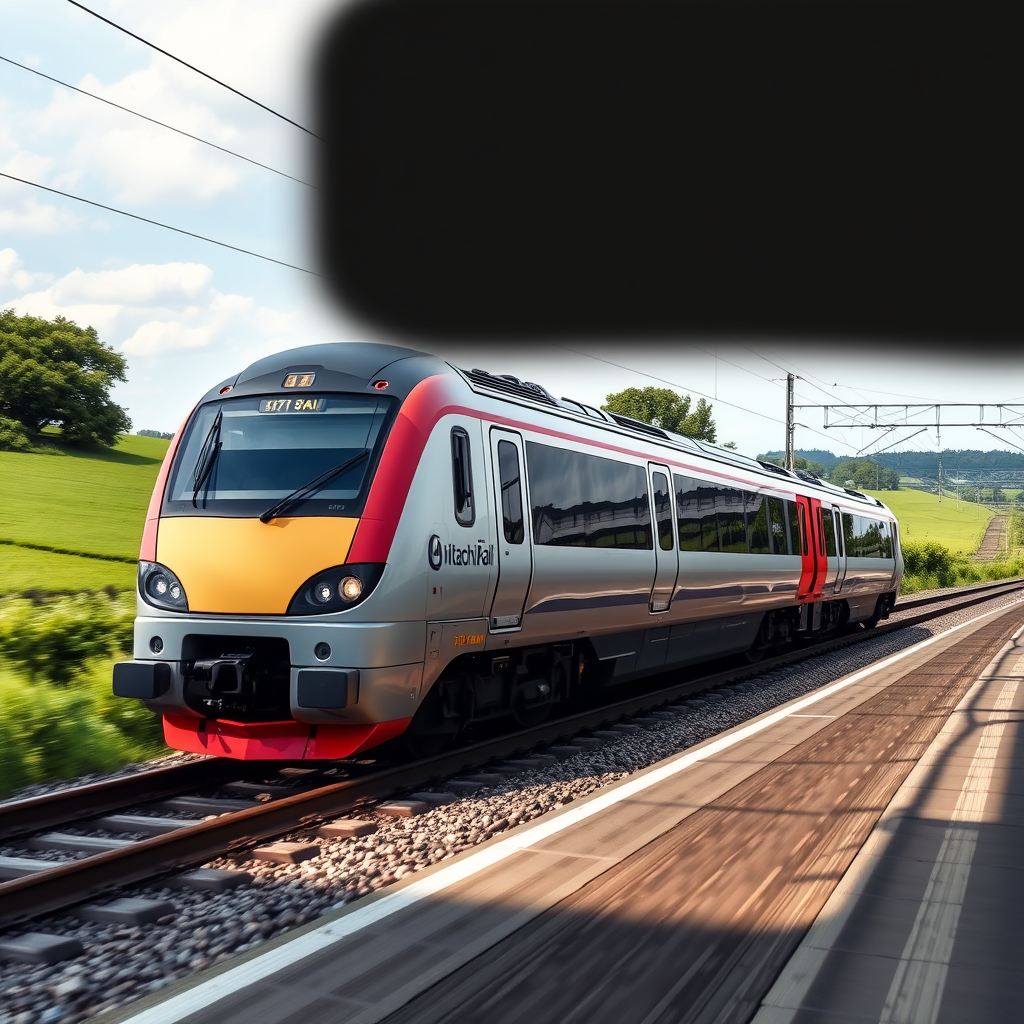
This article explores the groundbreaking results of a UK intercity battery trial conducted by Hitachi Rail, Angel Trains, and TransPennine Express. The trial focused on integrating a 700kW battery system into an existing intercity train, aiming to reduce fuel consumption and emissions on non-electrified lines. The initial projections anticipated fuel savings of up to 30%, but the actual results significantly exceeded expectations, demonstrating the considerable potential of battery technology for decarbonizing rail transport. This success has significant implications for the future of railway operations, particularly in reducing reliance on diesel engines, improving air quality, and minimizing noise pollution in urban and suburban areas. The trial’s findings offer valuable insights into the viability and effectiveness of battery-electric solutions for intercity rail travel, paving the way for wider adoption and potentially influencing future railway infrastructure development and investment strategies. The article delves into the technological aspects of the battery system, its economic benefits, and the wider implications for the UK rail industry and beyond.
Technological Advancement in Intercity Battery Systems
The trial utilized a 700 kW battery system, seamlessly integrated into the train’s existing undercarriage, replacing the equivalent weight and space of a diesel engine. This design ensured minimal impact on passenger comfort and track infrastructure. The battery system enabled zero-emission operation at speeds exceeding 75 mph (120.7 km/h) for extended periods, allowing the train to enter, operate within, and exit stations solely on battery power. During trials, the train successfully operated in battery mode for a mile before and after stations, transitioning seamlessly to diesel power while maintaining consistent performance. This demonstrated the practicality and efficiency of the battery technology in real-world operational scenarios. The trial also highlighted the battery’s capability to operate solely in battery mode for approximately 70 kilometers (km), suggesting a potential range of 100-150 km in a fully battery-electric train, sufficient to cover many non-electrified routes.
Significant Economic and Environmental Benefits
Beyond the technological achievements, the trial yielded significant economic and environmental benefits. Fuel cost savings ranged from 35% to 50%, with savings of up to 50% achieved consistently using “Eco-mode,” where the battery powered the train for extended sections of the route and at stations. These savings translate to substantial cost reductions for railway operators and contribute to the overall economic viability of battery-electric trains. Furthermore, the reduced reliance on diesel engines resulted in notable improvements in air quality and noise pollution, particularly in densely populated areas along the railway lines. The reduced emissions directly contribute to meeting environmental sustainability goals and reducing the carbon footprint of the rail sector.
UK-Focused Innovation and Supply Chain Development
Hitachi Rail’s commitment to UK innovation is a crucial aspect of this project. The company leveraged a £17 million investment to develop the battery system using the UK battery supply chain, fostering the growth of domestic skills and creating partnerships with companies like Turntide Technologies in Sunderland. This strategy aligns with the UK government’s Industrial Strategy, promoting domestic manufacturing and technological advancement within the rail sector. The focus on a UK-based supply chain reduces reliance on foreign suppliers and creates opportunities for export of this technology to global markets, boosting the UK economy.
Future Directions and Collaboration
Hitachi Rail’s ongoing collaboration with Innovate UK and the University of Birmingham signifies a commitment to continuous improvement and innovation. This partnership focuses on developing next-generation battery technology, exploring various solutions to meet diverse customer needs and expanding the capabilities of battery-electric trains. Discussions with the UK government and the rail industry are underway to determine the next steps for wider implementation of this technology. This commitment highlights the collaborative spirit within the UK rail sector and its determination to embrace technological advancements that lead to more sustainable and efficient rail networks.
Conclusions
The successful completion of Hitachi Rail’s intercity battery trial marks a significant milestone in the decarbonization of the UK rail network. The trial’s results, exceeding initial projections by a considerable margin, demonstrate the potential of battery technology to dramatically reduce fuel costs (by 35-50%), decrease emissions, and improve air quality. The seamless integration of the 700 kW battery system into an existing train, without compromising performance or passenger experience, showcases the maturity of this technology. The project’s commitment to a UK-centric supply chain further strengthens the nation’s industrial capabilities and fosters economic growth. The collaboration between Hitachi Rail, government agencies, and academic institutions underscores the collaborative approach to technological advancement in the rail sector. This success paves the way for wider adoption of battery-electric trains on non-electrified lines, significantly reducing reliance on diesel, minimizing environmental impact, and potentially saving millions on costly electrification projects. Future development focusing on next-generation battery technology promises to further enhance the capabilities and viability of this solution, leading to a more sustainable and efficient future for intercity rail travel, not only in the UK but globally.
RELATED POSTS

December 12, 2019 6:19 am
This article examines the introduction of the Alstom Citadis X05...

May 3, 2025 8:33 pm
Budapest-Hatvan Line Upgrade: A Digital Transformation for Hungarian Rail In...
January 4, 2025 12:30 pm
This article delves into the significant Intercity Eixo Norte rail...

June 23, 2025 11:33 am
Estonia awarded a design contract for a crucial Muuga rail...

August 20, 2012 1:54 pm
Macedonia’s Public Enterprise for Railway Infrastructure has received a €46.4m...
January 6, 2022 6:50 am
This article analyzes the strategic acquisition of Masu’s railway friction...