
UK Rail Upgrades: Modernizing Infrastructure for Growth in England & Wales
UK invests heavily in rail upgrades, boosting England and Wales connectivity. £92B fund fuels new lines, stations, and capacity increases.
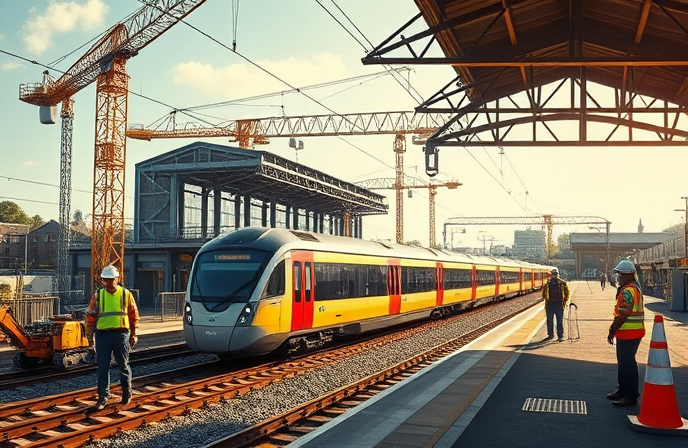
UK Government Announces Major Investment in Key Rail Upgrades Across England and Wales
The UK’s Department for Transport (DfT) has unveiled a significant investment program targeting crucial rail infrastructure upgrades across England and Wales, promising faster journeys and enhanced connectivity for commuters and regional communities alike. This multi-faceted initiative, announced recently, encompasses five key projects designed to modernize the rail network and stimulate economic growth in areas historically underserved by efficient rail transport. The investment will bring new lines, stations, and capacity increases, all underpinned by a massive £92 billion transport infrastructure fund. The aim is to improve access to employment, leisure, and housing, primarily by upgrading existing infrastructure and bringing more people within easy reach of the railway network. This announcement signals a renewed commitment to revitalizing the national rail network, addressing long-standing issues of reliability and frequency, and fostering a more connected and prosperous nation.
Reconnecting Communities: Bristol-Portishead Line and New Stations
One of the flagship projects is the reinstatement of passenger rail services between Bristol city centre and Portishead. This line, dormant for over six decades, will receive a £27 million injection, enabling hourly services and connecting approximately 50,000 additional people to the rail network. This project is not just about re-establishing a transport link; it’s a catalyst for growth. This investment supports significant new housing developments planned for the area, demonstrating the railway’s role in fostering economic and residential expansion. Furthermore, the government has approved the construction of three new stations in the south-west and the north-east of England. The new stations will be located in Haxby, Wellington, and Cullompton. The construction of these three stations will allow an additional 20,000 people within three kilometers of a railway station.
Boosting Capacity and Connectivity: The Midlands Rail Hub
The Midlands region is set to experience a dramatic transformation in its rail infrastructure with the introduction of the Midlands Rail Hub. This ambitious project represents the region’s largest rail improvement scheme to date. The specific details regarding the total investment into the project have not been officially released; however, the government’s financial commitment suggests it will unlock significant enhancements to the rail network. The Midlands Rail Hub will aim to increase the frequency of services and provide additional seating capacity in and out of Birmingham, directly benefiting commuters and improving regional connectivity for over 50 locations.
Modernization and Resilience: East Coast Main Line Upgrades
The East Coast Main Line (ECML), a critical artery connecting major cities throughout the country, is also slated for significant upgrades. This project, benefitting from increased capacity and frequency, is focused on improving the reliability and efficiency of the ECML. One of the key components of this initiative is the installation of new, upgraded digital signalling systems. These advancements, coupled with other infrastructure enhancements, are expected to dramatically reduce delays, potentially by as much as a third, thereby improving the overall passenger experience and the line’s operational resilience. This investment is critical for maintaining the competitiveness of the ECML as a transport route.
Financial Framework and Future Prospects
The combined investment in these rail projects is supported by a substantial financial commitment. The government is backing these initiatives with over £92 billion from the Spending Review settlement, an unprecedented investment in England’s transport infrastructure over the next generation. Of this, £10.2 billion has already been specifically allocated for rail enhancements. This funding underscores the government’s commitment to improving connectivity, unlocking growth, and addressing long-standing issues of unreliable or infrequent rail services, particularly in regions that have struggled with such shortcomings. The projects are designed to not only enhance the passenger experience but also stimulate economic growth, create jobs, and improve the overall quality of life for communities across England and Wales.
Conclusion
The recent announcement by the UK government regarding major rail upgrades represents a pivotal moment for the nation’s transport infrastructure. This multi-billion-pound investment, encompassing projects from the reinstatement of passenger lines to comprehensive network upgrades and new station builds, signals a clear commitment to revitalizing the railway. The investment not only addresses long-standing issues of reliability and frequency but also aims to stimulate economic growth and improve connectivity across regions. These investments are set to have a substantial impact on the industry, potentially creating opportunities for infrastructure development, signaling systems, and rolling stock manufacturers. While there may be challenges during the implementation phases, such as supply chain constraints and the need for skilled labour, the projects are poised to transform the railway network and deliver significant benefits to both passengers and regional economies. The long-term impact will be improved access to jobs, leisure, and housing, driving up the overall quality of life for those residing in England and Wales. Continued investment and forward-thinking strategies will be key to fully realizing the potential of these initiatives and establishing a modern, efficient, and resilient railway network.
RELATED POSTS

June 10, 2015 10:19 pm
The Ministry of Education and Saudi Railways Organization (SRO) have...

June 19, 2017 10:16 pm
Here's a voiceover-friendly excerpt:"Union Pacific is investing $3.7 billion in...
September 7, 2018 2:44 am
UWC and TMH are revolutionizing South American rail freight. ...
September 30, 2023 8:31 am
UIC Leaflet No: 918-4 – Chapter 9 – Information Technology,...
February 9, 2017 10:11 pm
"Guadalajara's Line 4 Metro project, spearheaded by SIOP, is acquiring...

December 14, 2016 9:07 am
CJSC Azerbaijani Railways (ADY) continues the Baku ring railway construction...