
UK Rail Strike: ASLEF vs RDG, A Breakdown
Introduction
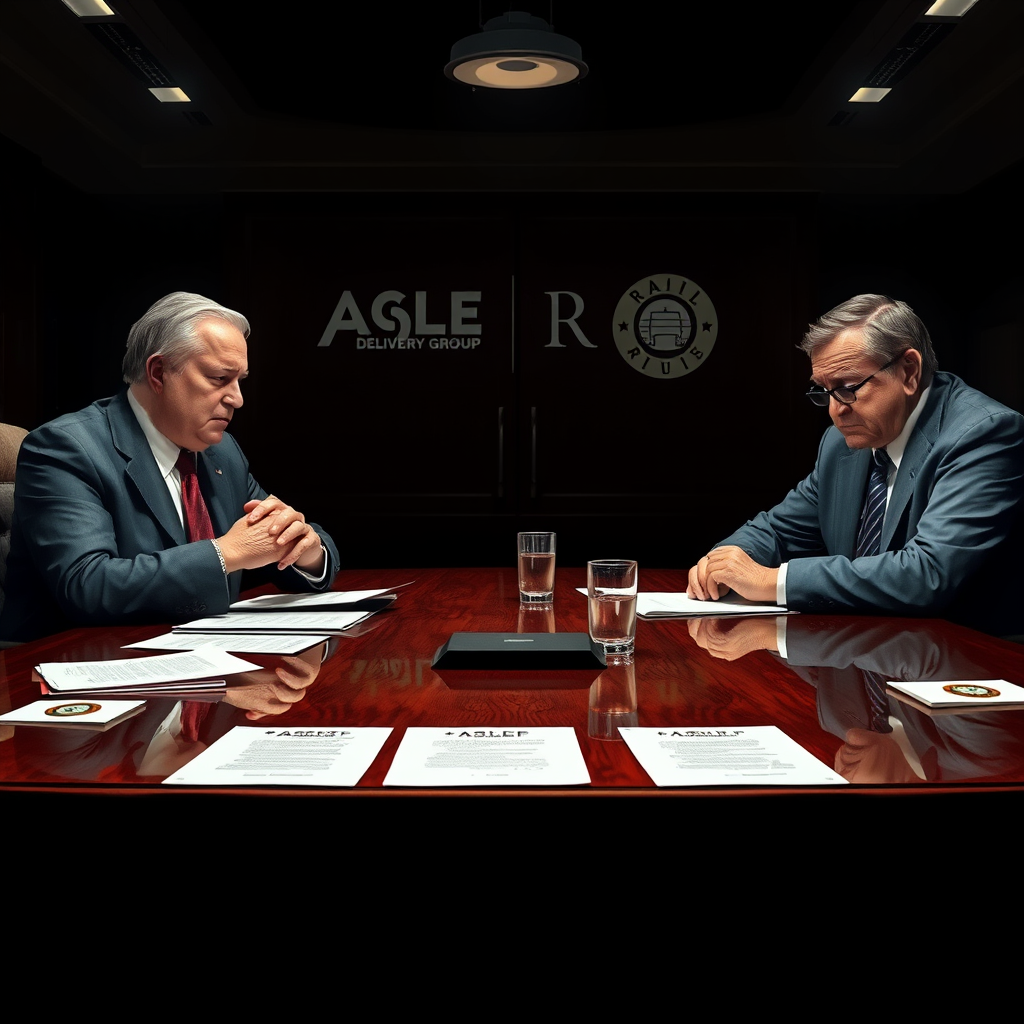
This article delves into the complexities of the ongoing labor dispute between the Associated Society of Locomotive Engineers and Firemen (ASLEF), a UK train drivers’ union, and the Rail Delivery Group (RDG), representing Network Rail and various Train Operating Companies (TOCs). The dispute, centered on pay and working conditions, has resulted in a series of disruptive strikes across the UK rail network. This analysis will explore the historical context of the conflict, the key arguments presented by both sides, the impact of the strikes on passengers and the broader economy, and the potential implications of the recently introduced Minimum Service Levels Legislation. The article aims to provide a comprehensive overview of the situation, analyzing the perspectives of both ASLEF and the RDG, ultimately offering an assessment of the current impasse and potential pathways to resolution. We will also briefly examine broader issues impacting the UK rail industry, such as technological advancements and environmental concerns. The focus remains firmly on the current labor dispute, using these broader themes to illuminate the context within which the negotiations are taking place.
The Historical Context of the Dispute
The current industrial action is not an isolated event but rather the culmination of years of simmering tensions between ASLEF and the RDG. The initial dispute emerged in July 2022, stemming from disagreements over pay increases. ASLEF argues that its members have not received a pay rise in over five years, a period characterized by significant inflation. This argument highlights a stark contrast between the financial realities faced by train drivers and the perceived financial stability of the rail industry. The RDG, however, counters this claim, stating that a substantial pay offer has been made, pushing base salaries close to £65,000 annually for a four-day work week. This discrepancy in perceived fairness underscores the fundamental challenge in finding common ground.
Arguments from ASLEF and the RDG
ASLEF’s core argument rests on the assertion that its members’ compensation has not kept pace with the rising cost of living. The union highlights the essential role train drivers played during the COVID-19 pandemic, continuing to work despite significant personal risks, yet receiving no pay increase. They view the RDG’s offer as insufficient, emphasizing the need for a more substantial recognition of their contributions and the strain of years without a raise. The RDG, conversely, emphasizes the substantial financial challenges facing the rail industry, necessitating cost-containment measures. They contend that their offer represents a generous increase, above the national average, and accuse ASLEF of prioritizing damaging industrial action over constructive negotiation.
Impact of Strikes and the Minimum Service Levels Legislation
The strikes have caused widespread disruption, significantly impacting passengers and the broader economy. The disruption affects various train operating companies across the UK, leading to cancellations and reduced services. The economic consequences include lost productivity, increased travel costs for commuters, and a negative impact on businesses reliant on efficient rail transport. The introduction of the Minimum Service Levels Legislation (MSL) aims to mitigate future disruptions by ensuring a minimum level of service during strikes. ASLEF, however, views this legislation as an attempt to undermine the union’s bargaining power, characterizing it as a move to circumvent fair negotiations.
Conclusions
The ongoing dispute between ASLEF and the RDG underscores a deeper malaise within the UK rail industry. The lack of a clear resolution reflects a failure of communication and a significant divergence in perspectives regarding fair compensation and the financial realities of the industry. ASLEF’s call for a substantial pay increase reflects the realities of rising living costs and the contribution of train drivers, particularly during challenging times like the COVID-19 pandemic. The RDG’s counter-argument emphasizes the industry’s financial constraints, but the offered compensation might not fully address the employees’ needs, especially given the long period without an increase. The introduction of the Minimum Service Levels Legislation adds another layer of complexity, raising concerns about the balance between maintaining essential services and protecting the rights of workers to engage in collective bargaining. Ultimately, resolving this dispute requires a willingness from both sides to engage in meaningful dialogue, acknowledging the concerns of both workers and the industry’s financial limitations. The current stalemate serves as a potent reminder of the need for more robust mechanisms for conflict resolution within the rail sector, safeguarding both the interests of workers and the smooth operation of essential public services. Finding a resolution that addresses both pay concerns and financial sustainability is crucial for the future stability and efficiency of the UK’s rail network.
RELATED POSTS
Union Pacific earned an 80% top Class I railroad intermodal...

March 6, 2026 12:10 pm
Consortium Announces Digital Services Platform for UK Rail Sector A...
March 5, 2026 7:57 pm
Banedanmark launched battery train operations on Denmark's 67 km Skjern–Holstebro...
March 5, 2026 4:23 am
Renfe suspends Spain rail services on Madrid-Andalusia corridor until February...
March 4, 2026 10:12 am
Amtrak and Siemens deploy 8 Airo trains for the U.S....
March 6, 2026 4:07 pm
Digital Subscription Market Analysis Q1 2026 Analytics firm Antenna confirmed...