
UK Rail Overhaul: ORR Approves Network Rail’s Plan
Network Rail’s approved improvement plan targets UK railway performance, boosting punctuality and reliability. Discover how this revitalization effort will transform the network!
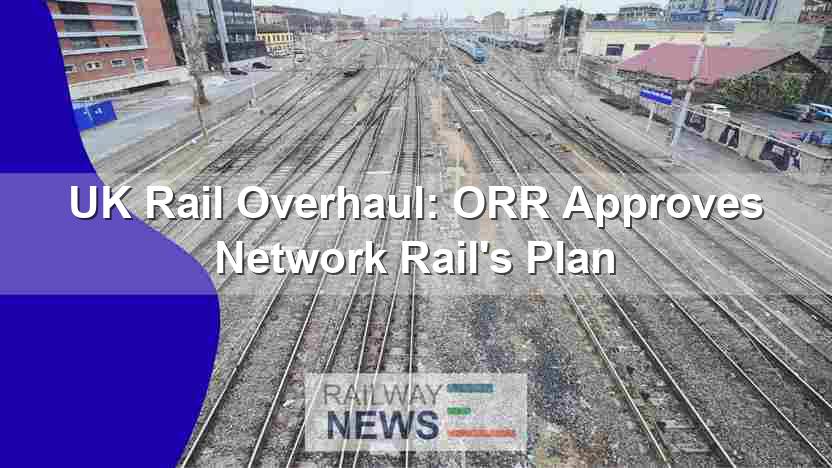
This article examines the Office of Rail and Road’s (ORR) approval of Network Rail’s detailed plan to revitalize passenger and freight train performance within the United Kingdom. The plan addresses a significant decline in punctuality and reliability, reaching its lowest point since 2014, as highlighted in a previous ORR report. This necessitates a multifaceted approach encompassing improved operational efficiency, enhanced incident response, and a strengthened performance management system. The ORR’s approval signifies a crucial step towards restoring public confidence and optimizing the overall efficiency of the UK’s railway network. The subsequent analysis will delve into the key components of Network Rail’s plan, exploring the strategic initiatives undertaken to address the root causes of performance deterioration and the ongoing monitoring mechanisms implemented by the ORR to ensure accountability and sustained improvement.
Addressing Deteriorating Punctuality and Reliability
The core of Network Rail’s improvement plan centers on tackling the persistent issue of declining punctuality and reliability. This involves a meticulous investigation into the root causes of delays, ranging from infrastructure failures and signaling problems to operational inefficiencies and inadequate resource allocation. The plan proposes a collaborative effort with various train operating companies (TOCs) to establish a robust performance management system. This system will utilize data analytics to identify recurring bottlenecks and implement targeted interventions. This approach moves beyond addressing symptoms to proactively identifying and rectifying underlying systemic issues. The improved data analysis will allow for better resource allocation and predictive maintenance, reducing unplanned disruptions and improving overall network resilience.
Enhanced Incident Response and Recovery
Network Rail acknowledges that minimizing the impact of unforeseen incidents, such as signaling failures or track damage, is crucial. The improvement plan emphasizes a significant reduction in recovery time following such disruptions. This includes investments in advanced technologies for faster fault detection and diagnostics, as well as enhanced training programs for railway personnel to expedite repair and restoration efforts. By streamlining response protocols and enhancing personnel capabilities, Network Rail aims to minimize delays and disruptions, thereby improving the overall reliability and passenger experience.
Strengthening Workforce Capabilities
Human capital plays a vital role in the success of any railway operation. Network Rail’s plan recognizes the importance of a well-trained and adequately resourced workforce. The strategy includes targeted staff training programs to enhance operational expertise and improve problem-solving capabilities. Further, the plan incorporates the recruitment of additional personnel to augment existing teams and address potential staffing shortages. This investment in human resources is not merely about increasing headcount; it’s about cultivating a highly skilled workforce capable of proactively identifying and resolving issues, ensuring the smooth and efficient operation of the rail network.
Ongoing Monitoring and Accountability
The ORR’s role extends beyond the initial approval of Network Rail’s plan; it encompasses rigorous monitoring and evaluation of its implementation. The ORR will actively oversee Network Rail’s progress, focusing particularly on route-specific actions and the effectiveness of the performance management system. Regular reporting and performance reviews will ensure accountability and transparency. This oversight mechanism is designed to guarantee that the improvements are not temporary but represent a sustained commitment to enhancing railway performance. The ORR’s ongoing monitoring ensures that Network Rail remains on track (pun intended) to meet its targets and deliver a noticeably improved service to passengers and freight operators alike.
Conclusion
The ORR’s approval of Network Rail’s performance improvement plan marks a significant turning point in addressing the declining punctuality and reliability of the UK’s railway network. The plan’s detailed approach, encompassing improvements to operational efficiency, incident response, and workforce capabilities, demonstrates a commitment to addressing the root causes of performance issues, not just the symptoms. The strategic focus on collaboration with TOCs through the implementation of a robust performance management system, coupled with the ORR’s ongoing monitoring, ensures accountability and transparency. The success of this initiative will hinge on the effective implementation of each component, from enhanced data analytics to improved staff training and the adoption of new technologies. A sustained focus on these improvements will be crucial to restoring public confidence and ensuring the UK’s railway network delivers a consistently reliable and efficient service for all users, both passengers and freight operators. The ultimate success will be measured not only by the achievement of targets but also by a tangible and sustained improvement in passenger and freight satisfaction and operational efficiency. The long-term goal is to transform the UK’s rail system into a model of dependable and efficient public transport.

Railway infrastructure, rolling stock and transport technologies specialist focused on global rail industry developments, high-speed rail systems, signaling technologies and freight transportation. Covering railway investments, public transport modernization, rail operations and international mobility projects across Europe, Asia and North America.
RELATED POSTS

October 8, 2026 1:15 pm
Alstom secured a €1bn contract to build 13 automated trains,...

October 1, 2026 7:09 am
United States regulators confirmed a September 30 deadline for the...

October 8, 2026 12:18 pm
Siemens Mobility signed an agreement with VinSpeed to supply 350...

October 4, 2026 5:14 pm
Alstom secured a CA$4.7 billion order from VIA Rail Canada...

October 5, 2026 6:12 pm
AECOM and Jacobs secured a contract in September 2026 to...

October 1, 2026 12:13 am
Illinois approved $1.5 billion annually for the Northern Illinois Transit...