
UK-Australia Rail Partnership: Boosting Innovation & Trade
UK and Australasia’s rail sectors are collaborating! This groundbreaking partnership boosts innovation, expands markets, and develops vital skills – discover how!
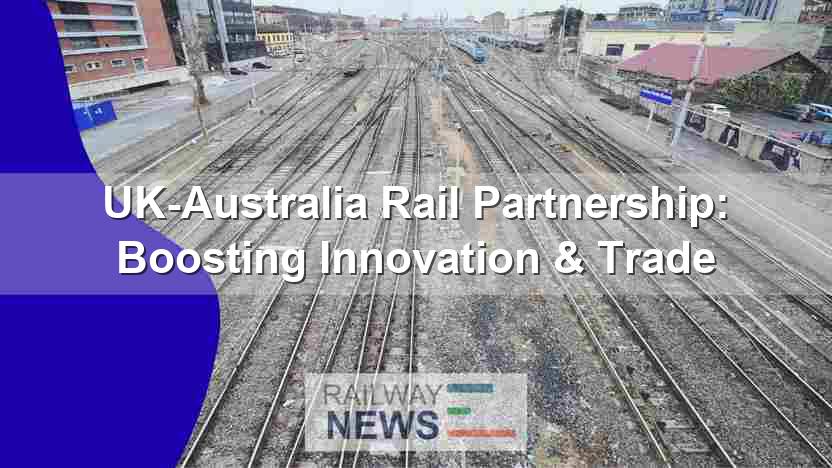
This article examines the significant Memorandum of Understanding (MoU) signed between the UK Railway Industry Association (RIA) and the Australasian Railway Association (ARA), marking a new era of enhanced cooperation and knowledge exchange between the UK and Australasia’s rail sectors. The agreement signifies a strategic move to leverage the combined expertise and resources of both regions, fostering innovation, boosting export opportunities, and ultimately driving advancements in railway technology and practices globally. This collaborative effort is particularly timely, given the substantial infrastructure investments underway in both the UK and Australasia, and the increasing global focus on sustainable and efficient transportation solutions. The analysis explores the key aspects of this partnership, exploring its potential benefits for member organizations and examining the broader implications for the international railway industry. The impact on workforce development, technological innovation, and market expansion will be central themes throughout the discussion.
Knowledge Sharing and Technological Advancement
The MoU facilitates a crucial exchange of non-intellectual property (IP)-protected research and innovation within the rail sector. This collaborative sharing of best practices, research findings, and innovative technologies will accelerate advancements in areas such as signaling systems, rolling stock design, and track maintenance. The UK’s extensive experience in high-speed rail and advanced signaling technologies complements Australia’s significant investments in heavy haul freight and urban transit projects. This reciprocal exchange fosters a dynamic environment where both regions can learn from each other’s successes and challenges, leading to more efficient and effective rail systems.
Workforce Development and Skill Enhancement
A key component of the partnership focuses on the development and enhancement of skills within the respective workforces. Sharing of training methodologies, apprenticeship programs, and professional development initiatives will ensure a highly skilled and adaptable workforce capable of meeting the evolving demands of the rail industry. This collaborative approach ensures that both the UK and Australasia benefit from a readily available talent pool with expertise in the latest railway technologies and best practices. The mutual exchange of best practices in talent recruitment and retention will also contribute to improved industry competitiveness.
Market Expansion and Export Opportunities
The partnership directly addresses the export potential of both regions. The UK, with its significant rail export capabilities (currently valued at £800 million annually), and Australia, experiencing a renaissance in rail infrastructure development, stand to mutually benefit from this increased collaboration. The agreement opens doors for UK companies to participate in Australian projects, while conversely providing Australian firms with access to UK markets and expertise. This exchange will not only increase revenue streams for member organizations but also contribute to broader economic growth in both countries.
Enhanced Networking and Collaborative Projects
The MoU offers access to networking opportunities and resources within each organization. This includes access to meeting facilities, joint participation in rail exhibitions, and the potential for collaborative bidding on international rail projects. This facilitates stronger relationships between businesses in both regions, encouraging joint ventures and fostering a more integrated and collaborative approach to rail development. The synergistic effect of combined expertise and resources significantly enhances the competitiveness of both UK and Australasian firms in global markets.
Conclusions
The partnership between the RIA and ARA represents a significant step towards strengthening trans-Pacific collaboration within the rail industry. The agreement’s focus on knowledge sharing, workforce development, market expansion, and networking opportunities provides a robust framework for sustained growth and innovation. By leveraging the combined expertise and resources of the UK and Australasia, this partnership fosters a dynamic environment where both regions can learn from each other’s successes and challenges, driving advancements in railway technology and practices. The exchange of non-IP protected research and innovation will accelerate the development of more efficient and sustainable rail systems. The focus on workforce development will ensure that both regions have a skilled and adaptable workforce capable of meeting the evolving demands of the rail industry. The increased collaboration will also open doors for increased export opportunities and foster economic growth in both countries. The enhanced networking opportunities will facilitate stronger relationships between businesses in both regions, encouraging joint ventures and a more integrated approach to rail development. This strategic partnership serves as a compelling model for international collaboration in the railway sector, showcasing the significant benefits of shared knowledge, resources, and expertise in driving technological advancements and economic prosperity. The long-term success of this initiative hinges on continued commitment from both organizations and a proactive approach to identifying and pursuing mutual opportunities for growth and innovation.

Railway infrastructure, rolling stock and transport technologies specialist focused on global rail industry developments, high-speed rail systems, signaling technologies and freight transportation. Covering railway investments, public transport modernization, rail operations and international mobility projects across Europe, Asia and North America.
RELATED POSTS
September 6, 2026 5:19 am
Hitachi delivered Taiwan's first N700ST high-speed train from Japan in...

September 5, 2026 4:19 pm
CPK launched formal tender talks with four consortia to design...

September 5, 2026 7:14 pm
HS2 Ltd signed renegotiated civils contracts with EKFB and Align...

September 6, 2026 4:12 am
Alstom delivered the first of 100 new G Class trams...
September 6, 2026 6:17 am
Hungary ordered a national ban on most freight trains from...
September 6, 2026 1:17 am
Hitachi Toshiba Supreme Consortium confirmed the first of 12 N700ST...