
Turin Metro: Boa Trains Boost Line 1 Capacity, Sustainability
Turin Metro Line 1 gets first new train, part of €156M modernization. New “Boa” trains feature CBTC, boost efficiency.
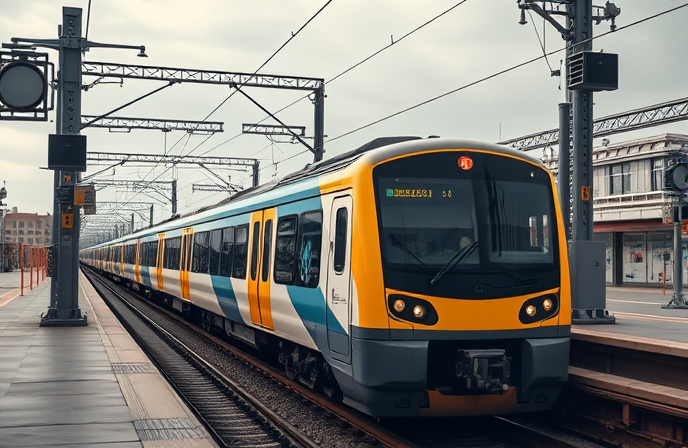
Turin Metro Line 1 Receives First New “Boa” Train, Ushering in Era of Modernized Public Transport
The first of four new Metropolis “Boa” trains, a crucial component of Turin’s ambitious plan to modernize and expand its metro system, arrived at the Collegno depot on July 3, 2025. This significant development, the culmination of a EUR 156 million contract with Alstom, marks a pivotal moment in the ongoing upgrade of Turin’s Line 1. The new trains are designed to significantly enhance passenger experience, increase operational efficiency, and promote environmental sustainability. This article will delve into the key features of the new trains, the broader context of the Line 1 expansion, the technological advancements they represent, and the future implications for Turin’s public transport network. The arrival of the first Boa train signifies not only a fleet upgrade but also a comprehensive modernization initiative driven by the extension of Line 1 and the city’s commitment to providing a more efficient, accessible, and environmentally responsible public transport system.
Cutting-Edge Technological Integration
The new “Boa” trains are equipped with state-of-the-art automation and control technologies, most notably the implementation of a fully automatic Communication-Based Train Control (CBTC) signalling system. CBTC, a vital component for optimized train control, will increase the operational capacity and improve service frequency. This advanced system enables real-time communication between the trains and a central control center, allowing for precise monitoring of train movements, optimized headway management, and improved safety protocols. The first Boa train’s arrival represents a tangible step towards unlocking the full potential of the CBTC system, promising increased passenger capacity and shorter wait times on Line 1. The remaining three trains are scheduled for delivery by the end of 2025, with service commencement anticipated once the CBTC signalling upgrades are completely operational.
Passenger Experience and Accessibility Enhancements
The design of the “Boa” trains prioritizes passenger comfort and accessibility. Manufactured at Alstom’s Valenciennes Petite Foret facility in France, each train comprises four intercommunicating carriages, allowing for easy movement throughout the train. This design feature eliminates any closed off environments, making the experience for all passengers more pleasant. Crucially, each carriage provides dedicated spaces for passengers with reduced mobility, ensuring inclusivity for all users. Furthermore, the new trains are equipped with a real-time video surveillance system directly linked to the network’s command and control centre, providing enhanced safety and security. Upgraded lighting and information systems include innovative LED linear lighting and multimedia screens, offering passengers both visual and audio information in real-time, improving the quality of the journey.
Sustainability and Environmental Considerations
Sustainability is a core tenet in the design and construction of the “Boa” trains. The rolling stock is built with an impressive 96% of recyclable materials, significantly reducing its environmental impact. High-efficiency engines further contribute to sustainability, lowering energy consumption and supporting Turin’s commitment to environmentally friendly public transportation. Externally, the trains’ livery reflects Turin’s traditional colors – yellow and blue – against a clean white backdrop, serving as a visual identifier of the city’s commitment to innovation and modern transit solutions.
The Broader Context: Line 1 Expansion and Future Plans
The acquisition of the new “Boa” trains is an integral part of a wider project to upgrade and extend Line 1. The upgrades are in direct response to the planned extension of the line to Cascine Vica. The current contract with Alstom covers not only the delivery of the four new trains but also the CBTC signalling system and upgrades to the on-board automation for the existing fleet. To meet the anticipated increase in passenger demand following extensions – starting with Bengasi and then moving toward Cascine Vica – the City of Turin has requested an additional EUR 150 million in funding from the Ministry of Infrastructure and Transport. This request would cover the procurement of 12 more trains with similar specifications, alongside EUR 58 million for complementary infrastructure works. This forward-looking strategy demonstrates Turin’s commitment to invest in and optimize their public transport network.
Conclusion
The arrival of the first “Boa” train in Turin signifies a pivotal moment in the city’s public transport modernization efforts. The integration of advanced technology, focus on passenger experience and accessibility, and commitment to sustainability reflect a progressive approach to urban mobility. The new trains represent a significant step towards a more efficient, reliable, and environmentally conscious public transport system for Turin. The successful implementation of the CBTC signalling system, combined with the expanded fleet, will greatly enhance service frequency and capacity, directly improving the commuter experience. This project, and the ongoing investments that accompany it, has implications for the wider railway industry. The project showcases how the implementation of advanced technology, combined with sustainability concerns, can be successful in a practical urban environment. As other cities seek to modernize their public transport networks, Turin’s approach can serve as a valuable case study for incorporating cutting-edge technology to improve accessibility, reduce environmental impact, and enhance service delivery. The ongoing investments in infrastructure and rolling stock demonstrate a long-term commitment to improving public transport in the city.
RELATED POSTS

January 4, 2014 11:53 am
Moscow Metro undergoes significant expansion, enhancing railway technology and addressing...
July 29, 2025 2:33 am
BNSF launches new intermodal service between California & Salt Lake...
June 27, 2025 2:33 am
First Grand Paris Express Line 18 train unveiled, a key...
July 31, 2017 11:46 pm
Optimize railway performance with predictive maintenance. Proactively identify equipment...
September 15, 2009 5:58 am
French company Nexans has been awarded a contract to supply...
November 22, 2010 7:36 pm
Ghana's Accra-Tema railway line upgrade eases traffic, boosts urban development,...