
TriMet’s LRV Overhaul: A Transit Maintenance Case Study
Extend your LRV fleet’s lifespan and save millions! TriMet’s mid-life overhaul with Siemens shows how proactive maintenance boosts efficiency and rider satisfaction.
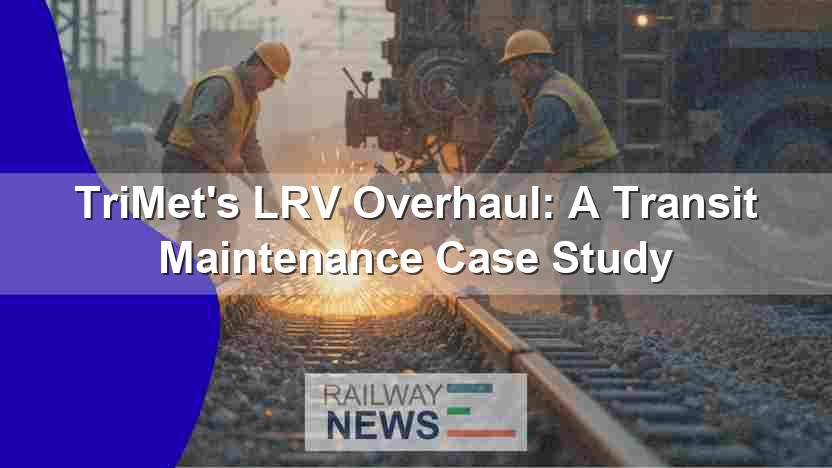
This article examines the significant mid-life overhaul project undertaken by TriMet (TriMet, the transportation operator for the Portland metropolitan area), contracting Siemens Mobility to refurbish its aging light rail vehicle (LRV) fleet. The decision to invest in this extensive refurbishment program highlights the crucial role of proactive maintenance in ensuring the long-term viability and efficiency of public transportation systems. The project’s scope, encompassing 79 Siemens SD660 LRVs (Light Rail Vehicles), represents a substantial financial commitment and a complex logistical undertaking. This analysis explores the reasons behind TriMet’s choice, the economic considerations, the logistical challenges, and the potential long-term benefits of this strategic investment. We will also explore the broader implications of this project for the transit industry, focusing on best practices for maintaining aging rolling stock and the economic benefits of extending the lifespan of existing assets.
The Rationale Behind the Overhaul
TriMet’s decision to embark on a mid-life overhaul of its LRV fleet stems from several key factors. Firstly, the existing fleet, predominantly Siemens SD660 units, has been in operation since the mid-to-late 1990s. Years of continuous service inevitably lead to wear and tear on critical components, impacting both reliability and passenger comfort. A proactive overhaul is far more cost-effective in the long run than dealing with frequent breakdowns and unplanned repairs. Secondly, extending the lifespan of existing LRVs significantly reduces capital expenditure. Replacing an entire fleet would represent a colossal investment, far exceeding the cost of a detailed refurbishment. This financial prudence is crucial for effective budget management in the public sector.
Siemens Mobility’s Role and the Project Logistics
Siemens Mobility, a leading provider of rail technologies, was selected for the project due to its expertise in LRV maintenance and refurbishment. The €80 million contract (with options for an additional €25 million) involves a phased approach. Initial work commenced with two pilot LRVs at Siemens Mobility’s West Coast Rail Services Hub in Sacramento, California. This pilot phase provided a crucial opportunity to refine processes and address any unforeseen challenges before commencing the full-scale refurbishment at the newly established Siemens facility in Clackamas, Oregon. This latter facility is projected to generate over 15 new jobs, demonstrating the project’s positive economic impact on the local community.
Economic and Operational Considerations
The economic benefits of this project extend beyond the immediate cost savings of avoiding a complete fleet replacement. The overhaul is expected to significantly improve the operational efficiency of the LRV fleet, leading to reduced downtime and increased passenger capacity. This, in turn, translates to improved service reliability and an enhanced customer experience. Moreover, the project’s positive impact on local employment further contributes to the overall economic benefits for the Portland metropolitan area.
Long-Term Benefits and Industry Implications
The TriMet-Siemens project serves as a compelling case study for public transit agencies worldwide. By investing in the mid-life overhaul of its LRV fleet, TriMet has demonstrated a commitment to long-term sustainability and cost-effective asset management. The successful completion of this project will extend the operational life of its LRVs by several decades, delivering significant long-term savings while improving service quality and rider satisfaction. This proactive approach highlights the importance of strategic planning and the need for public transport authorities to adopt proactive maintenance strategies to optimize operational efficiency and reduce lifecycle costs. This approach should be considered a model for other transit agencies facing similar challenges with aging rolling stock.
Conclusions
The TriMet contract with Siemens Mobility for the mid-life overhaul of its LRV fleet represents a significant investment in the future of Portland’s public transportation system. The project, valued at approximately €80 million with potential for expansion to €105 million, showcases the economic benefits of proactive maintenance and the importance of strategic planning in managing aging infrastructure. The phased approach, starting with pilot LRVs in Sacramento and transitioning to a new facility in Clackamas, Oregon, exemplifies effective project management and collaboration between public transit agencies and private sector partners. The project’s expected outcome is a revitalized LRV fleet, extending its service life and improving both operational efficiency and the passenger experience. The economic benefits extend beyond the cost savings of avoiding full fleet replacement; the project will enhance service reliability, increase passenger capacity, and create local employment opportunities. This initiative sets a precedent for other transit systems to prioritize preventative maintenance and demonstrates the potential for significant long-term cost savings and improved service quality through strategic investment in the modernization of aging rolling stock. The success of this project reinforces the crucial role of collaboration between public transit authorities and private sector partners in achieving sustainable and cost-effective solutions for maintaining and modernizing public transportation infrastructure.

Railway infrastructure, rolling stock and transport technologies specialist focused on global rail industry developments, high-speed rail systems, signaling technologies and freight transportation. Covering railway investments, public transport modernization, rail operations and international mobility projects across Europe, Asia and North America.
RELATED POSTS
September 6, 2026 5:19 am
Hitachi delivered Taiwan's first N700ST high-speed train from Japan in...

September 5, 2026 4:19 pm
CPK launched formal tender talks with four consortia to design...

September 6, 2026 4:12 am
Alstom delivered the first of 100 new G Class trams...
September 6, 2026 1:17 am
Hitachi Toshiba Supreme Consortium confirmed the first of 12 N700ST...
September 6, 2026 6:17 am
Hungary ordered a national ban on most freight trains from...
September 7, 2026 8:16 am
Midea, Gree and TCL shipped air conditioners via China Railway...