
Trenitalia’s $643M High-Speed Rail Upgrade: Frecciarossa 1000s Arrive
Trenitalia’s $643 million investment in 14 new Frecciarossa 1000 high-speed trains is revolutionizing Italian rail. Discover how this joint venture with Hitachi Rail and Bombardier boosts efficiency and passenger experience!
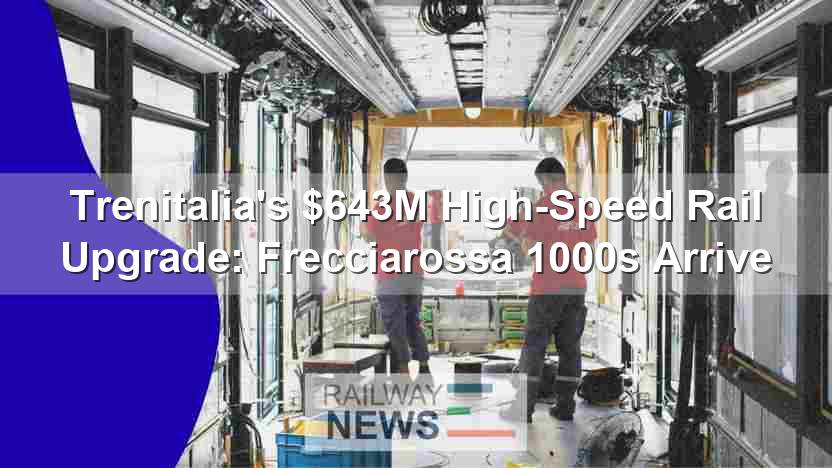
This article explores Trenitalia’s significant investment in 14 new Frecciarossa 1000 very high-speed trains (VHS), a $643 million contract awarded jointly to Hitachi Rail and Bombardier Transportation. The acquisition represents a substantial commitment to upgrading Italy’s high-speed rail network, enhancing passenger experience, and solidifying Italy’s position as a leader in high-speed rail technology. We will delve into the technical specifications of the Frecciarossa 1000 trains, the strategic partnership between Hitachi Rail and Bombardier Transportation, the economic implications of the investment, and the broader impact on the Italian railway system and its future direction. The analysis will consider the technological advancements incorporated into these trains, their operational efficiency, and the long-term benefits for both Trenitalia and the Italian public.
A Joint Venture: Hitachi Rail and Bombardier Transportation
The contract, valued at $643 million, is a joint venture between Hitachi Rail (60% share, approximately $382 million) and Bombardier Transportation (40% share, approximately $261 million). This collaborative effort leverages the expertise of both companies, combining Hitachi Rail’s technological prowess with Bombardier’s extensive experience in high-speed rail manufacturing and maintenance. The partnership underscores the increasingly collaborative nature of large-scale railway projects, where specialized skills and resources are pooled to deliver optimal results. The ten-year maintenance contract included in the deal ensures long-term operational efficiency and reduces operational risk for Trenitalia, securing a consistent level of service and minimizing disruptions.
Technical Specifications and Passenger Experience
The Frecciarossa 1000 trains, built entirely in Italy, are designed for a commercial speed of up to 360 km/h (approximately 224 mph). These 200-meter-long trains boast a passenger capacity of 460, incorporating advanced aerodynamic design and energy-saving technologies to optimize performance and minimize environmental impact. Trenitalia’s commitment to enhancing the passenger experience is evident in the inclusion of amenities such as a meeting room, bistro area, and onboard Wi-Fi, thus making the high-speed rail travel more comfortable and productive for passengers. Compliance with all Technical Specifications for Interoperability (TSI) requirements demonstrates Trenitalia’s adherence to the highest safety and operational standards within the European rail network.
Economic Impact and Strategic Significance
This $643 million investment extends beyond a simple procurement; it signifies a broader commitment to modernizing Italy’s infrastructure and boosting its economy. The project creates significant employment opportunities within Italy’s manufacturing and railway sectors, supporting a skilled workforce and stimulating economic growth. Additionally, the improved efficiency and capacity of the high-speed rail network will positively influence tourism and trade, making travel across Italy quicker and more accessible. The strategic significance lies in Trenitalia’s continued commitment to high-speed rail as a crucial element of Italy’s transportation network. This investment positions Italy as a leader in high-speed rail technology and strengthens its international competitiveness in the rail sector.
Conclusion
Trenitalia’s $643 million order for 14 Frecciarossa 1000 very high-speed trains marks a significant milestone in Italian railway modernization. The joint venture between Hitachi Rail and Bombardier Transportation leverages expertise to deliver state-of-the-art trains, incorporating cutting-edge technology and enhancing the passenger experience. These trains, capable of reaching 360 km/h, will improve efficiency and capacity on Italy’s high-speed rail network. The project’s economic impact extends beyond the direct investment, creating employment and stimulating economic growth while enhancing Italy’s position as a high-speed rail leader. The ten-year maintenance agreement further solidifies the long-term operational efficiency of the fleet. The success of this project showcases the positive outcomes achievable through collaborative efforts between public and private sectors, emphasizing the power of strategic investment in enhancing the infrastructure and efficiency of national transportation networks. For passengers, this translates to a significant improvement in travel times, enhanced comfort, and a more efficient rail experience. For Italy, this substantial investment in high-speed rail signals a continuing commitment to modernizing its infrastructure and its long-term economic growth. The long-term effects of this investment will undoubtedly reshape Italy’s railway landscape, boosting its economy and improving its overall transportation system.

Railway infrastructure, rolling stock and transport technologies specialist focused on global rail industry developments, high-speed rail systems, signaling technologies and freight transportation. Covering railway investments, public transport modernization, rail operations and international mobility projects across Europe, Asia and North America.
RELATED POSTS

October 1, 2026 7:09 am
United States regulators confirmed a September 30 deadline for the...

October 1, 2026 12:13 am
Illinois approved $1.5 billion annually for the Northern Illinois Transit...

October 1, 2026 6:10 am
Amtrak approved a System Expansion Committee on July 30 to...

October 4, 2026 5:14 pm
Alstom secured a CA$4.7 billion order from VIA Rail Canada...
October 1, 2026 4:10 am
DART launched two public ridership dashboards in March 2026 to...
October 1, 2026 3:12 am
Greenbrier confirmed Brian Comstock as new president and CEO effective...