
Transpennine Route Upgrade: £3.9 Billion Rail Revolution?
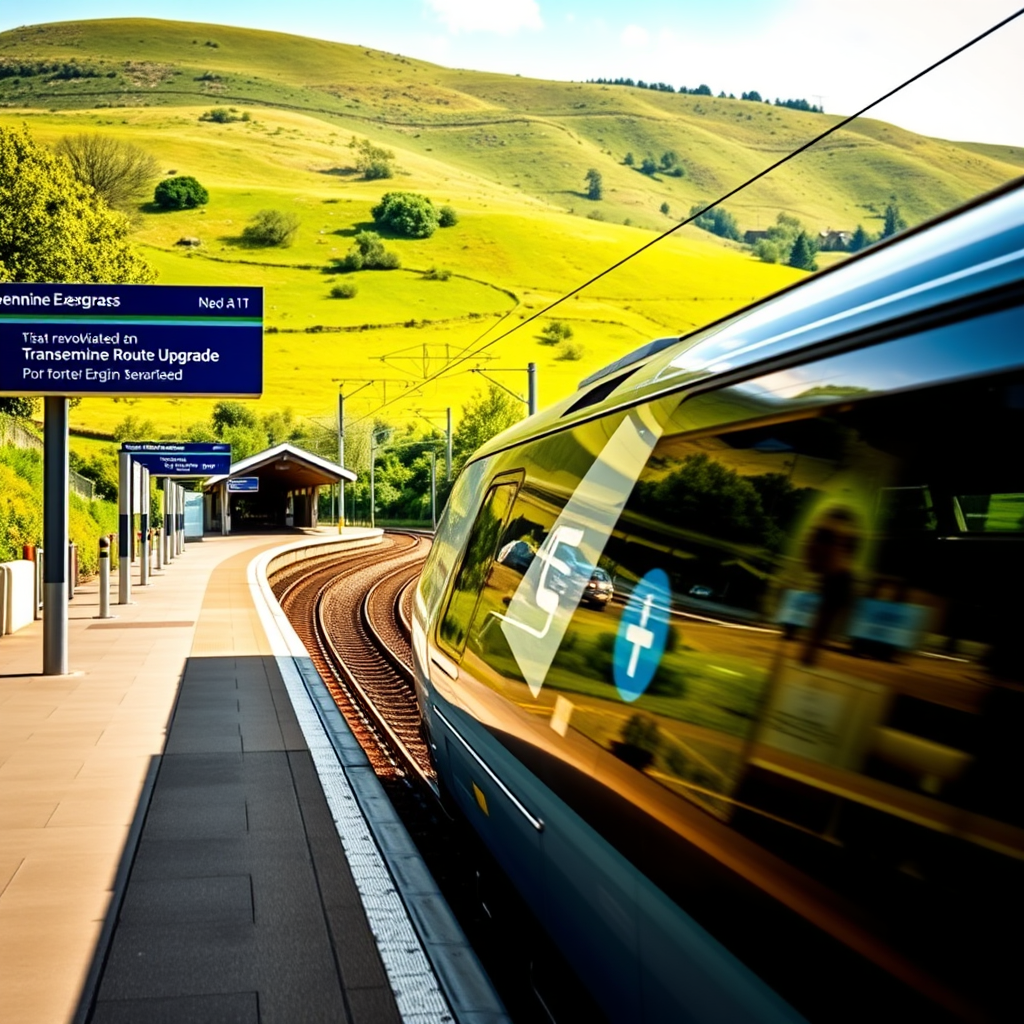
Transforming Northern England’s Rail Network: The Transpennine Route Upgrade
This article delves into the Transpennine Route Upgrade (TRU), a significant infrastructure project aimed at revolutionizing east-west rail connectivity in Northern England. The UK government’s recent announcement of a £3.9 billion (approximately $5 billion USD) investment, while framed as new funding, has sparked debate within the rail industry regarding its novelty. This article will explore the details of the TRU, examining its scope, the implications of the funding announcement, and the broader context of its place within the UK’s national rail strategy. We will also consider the challenges and opportunities presented by this ambitious undertaking, ultimately analyzing its potential impact on the region’s economic development and passenger experience. The analysis will move from a description of the project’s core elements to an evaluation of the funding’s significance and a look forward at potential future developments.
The Transpennine Route Upgrade: Scope and Objectives
The TRU is a multifaceted project encompassing upgrades to the rail line between Manchester, Huddersfield, Leeds, and York. Key improvements include track electrification, the implementation of digital signaling (a significant advancement in rail control systems replacing older electromechanical systems), and upgrades to stations and infrastructure. These enhancements are designed to increase network capacity, improve service reliability, and ultimately offer faster and more frequent passenger services. The project aims to significantly reduce journey times, increase the number of trains operating on the line, and improve overall passenger experience. The project’s ultimate goal is to boost economic growth in the region by improving access and connectivity.
Funding and its Implications: New Money or Reaffirmation?
The government’s announcement of £3.9 billion in funding has been met with some skepticism within the rail industry. While the figure is substantial, many argue it represents a restatement of previously committed funds rather than entirely new investment. Significant sums have already been spent on preliminary works, including initial electrification and digital signaling installations. The ongoing funding needs for the project are estimated to reach £11.5 billion in total, suggesting the recent announcement marks a crucial step in a much larger and longer-term financial commitment. The uncertainty around the nature of the new investment highlights the challenges of long-term planning and funding in large infrastructure projects. The source of funds and a timeline for future contributions are crucial to the project’s timely completion.
The TRU within the Broader Context of UK Rail Strategy
The TRU is not an isolated project; it’s integrated into the UK government’s wider rail strategy. The recent funding announcement is linked to the “Network North” plan and the government’s commitment to improving rail infrastructure in the North of England, particularly in light of the cancelled Birmingham to Manchester leg of the HS2 (High-Speed 2) project. The inclusion of Bradford and Hull into the Northern Powerhouse Rail (NPR) scheme using “savings from HS2” reflects a strategic shift in investment priorities. The TRU’s role in this broader strategy underscores the importance of regional connectivity and its contribution to national economic growth. This integration emphasizes the importance of coordinated infrastructure development across the entire rail network.
Integration with Rail Operators and Future Developments
The government’s funding commitment also includes support for Transpennine Express (TPE), the rail operator currently under state control. This support facilitates the procurement of up to 29 new trains to replace existing diesel rolling stock. This fleet modernization is critical for the successful implementation of the TRU’s enhanced services. The introduction of new trains alongside the improved infrastructure will greatly enhance passenger comfort, capacity, and efficiency on the line. Furthermore, the TRU’s progress will enable better coordination between infrastructure development and rolling stock needs, ensuring seamless integration of all components. The project also includes plans for significant upgrades and enhancements to stations along the route.
Conclusions
The Transpennine Route Upgrade represents a significant investment in Northern England’s rail infrastructure, promising to transform east-west connectivity and stimulate economic growth. While the recent £3.9 billion funding announcement has been met with some debate regarding the nature of this investment (whether it represents truly new funding or a restatement of previously committed amounts), it nonetheless signifies a crucial step forward for the project. The TRU’s success is intrinsically linked to its integration within the broader context of the UK government’s national rail strategy, particularly the Network North plan and the reallocation of resources from the HS2 project. The commitment to rolling stock modernization, alongside the upgrade of the infrastructure itself, will ensure the effective delivery of improved services. Ultimately, the TRU holds substantial potential for revitalizing the region’s rail network, offering faster, more reliable, and more comfortable travel for passengers. The ongoing transparency about funding and a clear timeline for future investment will be crucial in ensuring the project’s successful completion and delivery of its intended benefits. The project’s long-term success depends on effective collaboration among government agencies, rail operators, and infrastructure providers, highlighting the complexities of managing large-scale infrastructure projects. The careful planning and execution of the TRU will serve as a valuable case study for future infrastructure developments throughout the UK.
RELATED POSTS
September 7, 2025 6:48 am
Booth Industries wins HS2 doorset contract and TfL extension, highlighting...
March 9, 2025 4:43 am
Introduction This article explores the advancements in AI-powered rail maintenance...

May 5, 2017 12:57 am
The first high-speed train cars for NSW's Regional Rail Project...
February 21, 2025 4:05 pm
Introduction The railway industry is undergoing a significant transformation driven...
May 4, 2021 4:34 pm
This article examines the significant long-term contract awarded to Alstom...

January 25, 2011 7:37 am
The Saudi Railways Organisation (SRO) will start work on the...